
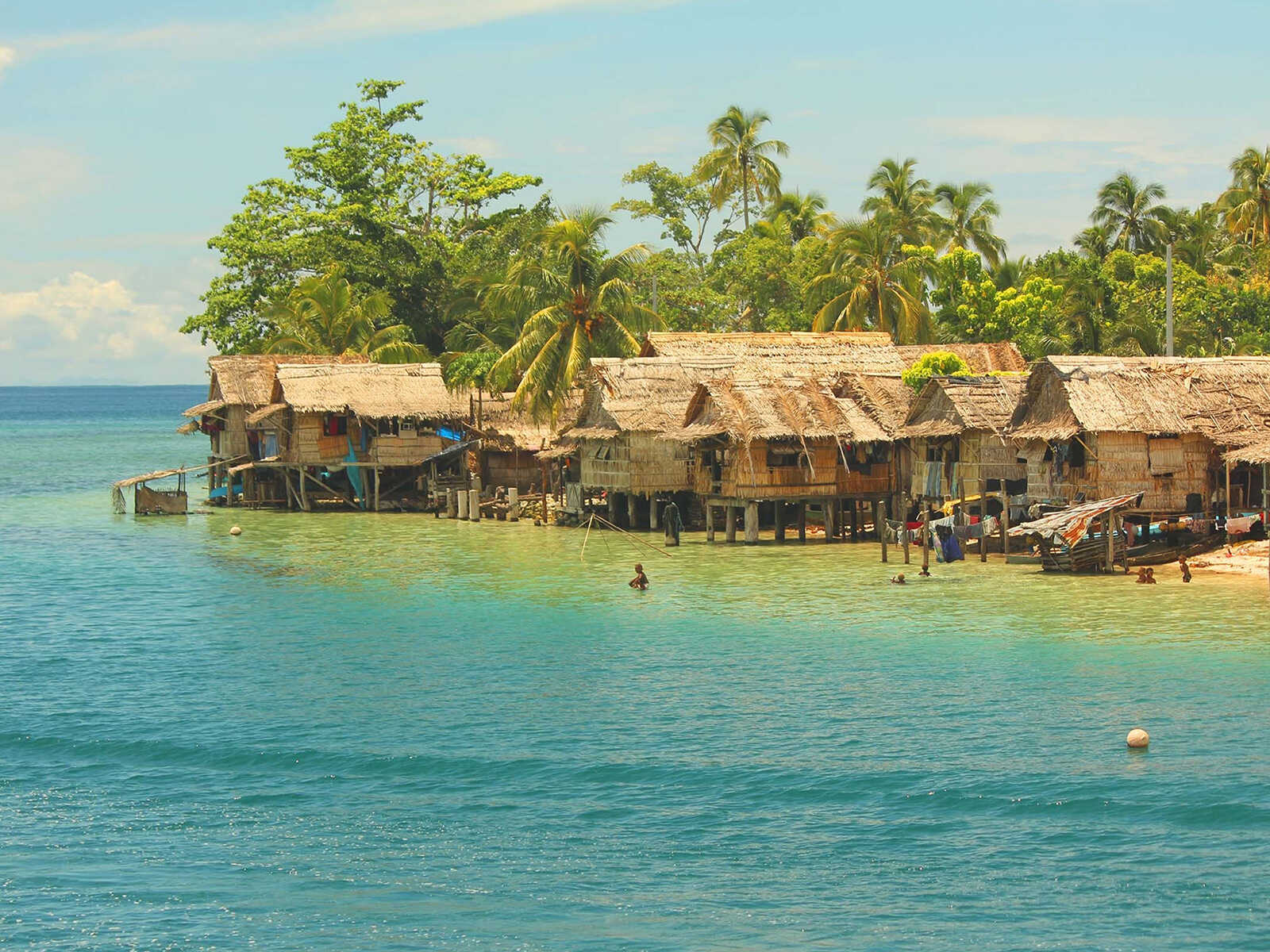
Exploring Tetepare Island: An Eco-Tourism Journey to the Last Wild Island
Deep within the Solomon Islands archipelago lies Tetepare Island, a truly unique destination often referred to as 'The Last Wild Island.' This untouched paradise offers an unparalleled eco-tourism experience, where conservation and community empowerment are at the heart of every adventure.
For those seeking an authentic connection with nature away from the well-trodden tourist paths,Tetepare presents an extraordinary opportunity. It's a place where ancient rainforest meets pristine coral reefs, and where every visitor directly contributes to the preservation of one of the South Pacific's most significant wilderness areas.
The Last Wild Island: A Legacy of Conservation
Tetepare Island holds a special place in the world as the largest uninhabited, unlogged island in the South Pacific. For over 150 years, its approximately 120 square kilometers have remained free of permanent human settlement, allowing its incredible biodiversity to flourish undisturbed. This remarkable status is largely due to the foresight and dedication of its traditional landowners, the Tetepare Descendants' Association (TDA).
The TDA was formed by the descendants of the island’s original inhabitants, who chose to protect their ancestral land from logging and other destructive industries. Instead, they established a sustainable conservation project, creating a marine protected area and a land conservation area, funded primarily through responsible eco-tourism. Visiting Tetepare is not just a holiday; it's an active participation in a globally recognized conservation success story.
Did You Know?The Tetepare Descendants' Association (TDA) manages one of the largest community-managed marine protected areas in the Solomon Islands, encompassing over 13,000 hectares of sea and reef.
Journey to Remoteness: Getting There
Reaching Tetepare is part of the adventure, requiring a multi-leg journey that underscores its remote and untouched nature. Most international travelers will fly into Honiara (the capital of the Solomon Islands) before taking a domestic flight to Munda, located in the Western Province.
From Munda, the final leg of the journey involves a scenic boat transfer across the tranquil waters to Tetepare Island. This typically takes a few hours, offering glimpses of other islands and the vast, beautiful ocean. The TDA arranges these transfers, ensuring a safe and comfortable passage. It's important to coordinate your arrival and departure times carefully with the TDA to ensure smooth logistics.
Sustainable Stays: The Tetepare Eco-Lodge
Accommodation on Tetepare reflects its eco-tourism ethos: simple, comfortable, and built with minimal environmental impact. The Tetepare Eco-Lodge comprises traditional-style bungalows constructed from local materials, nestled discreetly along the coastline.
Guests can expect a rustic yet charming experience, complete with basic amenities. Electricity is primarily solar-powered, and water is collected rainwater. There's no air conditioning, but the sea breeze and natural ventilation keep things cool. Meals, prepared by local staff, feature fresh, local ingredients, often including sustainably caught seafood and produce from small gardens. The lodge operates on a communal dining basis, fostering a friendly atmosphere among guests and staff alike.
Unforgettable Experiences: What to Do on Tetepare
Life on Tetepare revolves around its incredible natural environment. Activities are designed to immerse visitors in the island's unique ecosystems while supporting conservation efforts.
Wildlife Encounters
- Dugongs:Tetepare is one of the few places in the world where you have a chance to spot the elusive dugong. While sightings are rare, they are a truly unforgettable highlight.
- Sea Turtles:The island is a critical nesting ground for three endangered species of sea turtles: green, hawksbill, and leatherback turtles. Night patrols during nesting season (typically November to April) offer a chance to witness these majestic creatures laying eggs or hatchlings making their way to the sea.
- Birds:Over 70 species of birds, including several endemic to the Solomon Islands, inhabit Tetepare's forests. Guided birdwatching tours can reveal species like the Tetepare White-eye, a bird uniquely found on the island.
- Coconut Crabs:Night walks provide an opportunity to encounter the impressive coconut crab, the largest land hermit crab in the world.
- Saltwater Crocodiles:While present in the surrounding waters, these are generally shy and observed from a safe distance, often with the help of experienced local guides.
Snorkeling and Diving
The waters surrounding Tetepare are part of a vibrant marine protected area, offering exceptional snorkeling and diving opportunities. Expect to see pristine coral gardens teeming with an incredible array of colorful fish, reef sharks, manta rays, and other fascinating marine life. The lack of human impact means the reefs are remarkably healthy and diverse.
While the reefs around Tetepare offer unique biodiversity, other renowned dive sites like those around Marovo Lagoon also promise incredible underwater exploration for those extending their Solomon Islands adventure.
Jungle Treks
Explore the island's interior with experienced local guides who know the rainforest intimately. Treks can vary in difficulty and length, leading you through ancient trees, past medicinal plants, and to stunning viewpoints. Guides share their traditional knowledge of the forest, its flora and fauna, and the fascinating history of their ancestors on the island.
Cultural Insights
While Tetepare is uninhabited, your interactions with the TDA staff and rangers offer a unique insight into local customs and the profound connection the descendants have to their ancestral land. Learn about their conservation methods, traditional fishing techniques, and the challenges and successes of their community-led project.
Conservation in Action: A Model for Sustainable Tourism
Every visit to Tetepare Island directly supports the Tetepare Descendants' Association's vital conservation work. Funds generated from eco-tourism contribute to:
- Ranger Patrols:Protecting the marine and land protected areas from illegal fishing and logging.
- Research and Monitoring:Understanding and tracking the island's unique biodiversity.
- Community Development:Providing education, health services, and sustainable livelihood opportunities for the TDA member communities on neighboring islands.
- Education:Running environmental education programs for local children.
By choosing Tetepare, you are not just a tourist; you are a partner in preserving one of the world's truly wild places for future generations.
Planning Your Expedition: Practical Tips
A trip to Tetepare requires some preparation due to its remote nature. Here's what to keep in mind:
- What to Pack:Light, quick-drying clothing, reef shoes (essential!), insect repellent, high-factor sun protection, a wide-brimmed hat, basic first-aid kit, a headlamp or flashlight, reusable water bottle, and a waterproof dry bag for boat transfers.
- Respectful Travel:Follow all guidelines provided by the TDA. Do not disturb wildlife, take nothing from the island (except photos), and leave no trace behind.
- Connectivity:Expect extremely limited to no phone signal or internet access. Embrace this as an opportunity for a true digital detox.
- Health and Safety:Consult your doctor about malaria precautions and other tropical health advice. Drink only bottled or purified water.
- Best Time to Visit:The Solomon Islands have a tropical climate. Generally, May to November offers slightly drier weather, but rain can occur at any time.
Beyond Tetepare: Exploring the Solomon Islands
While Tetepare offers a unique wild island experience, the Solomon Islands are rich with diverse attractions. You could explore the vibrant marine life and culture of Marovo Lagoon, one of the world's largest saltwater lagoons, or even delve into historical sites like those near Bonegi beach, home to fascinating WWII wrecks. For those seeking more remote eco-lodges with stunning marine access, consider a stay at Uepi. If you're interested in dramatic natural landscapes inland, the Tenaru waterfalls offer a refreshing change of scenery.
A journey to Tetepare Island is more than just a vacation; it's an immersive experience in responsible tourism and profound natural beauty. It’s a chance to disconnect from the modern world and reconnect with a pristine environment, leaving you with lasting memories and the satisfaction of contributing to a vital conservation effort. For the mindful traveler, Tetepare truly is the last wild island waiting to be explored.