
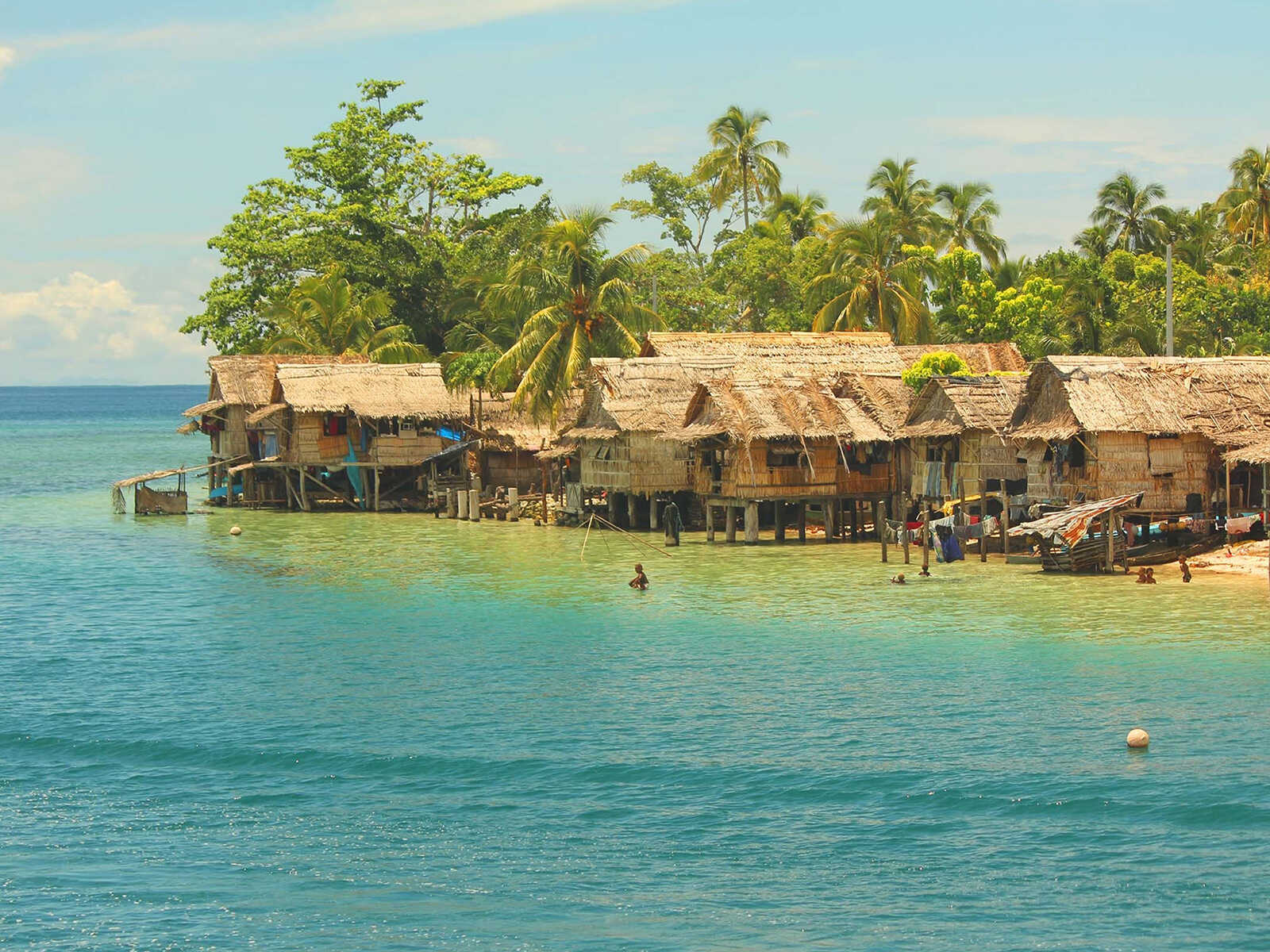
Exploring Honiara, Solomon Islands: Capital City Guide
Nestled on the northern coast of Guadalcanal, Honiara is the vibrant capital city of the Solomon Islands, serving as the nation's economic, political, and cultural heart. This bustling port city offers a fascinating blend of historical significance, local charm, and a gateway to the wider archipelago.
Welcome to Honiara: A City of History and Culture
Honiara, meaning "place of the east wind," rose from the ashes of World War II, transforming from a small American military base into the thriving capital it is today. Its strategic location on Guadalcanal made it a pivotal battleground, and echoes of this history are still palpable throughout the city. Beyond its historical footprint, Honiara is a melting pot of Solomon Islands cultures, offering visitors an authentic glimpse into island life.
Getting to and From Honiara
Your journey to the Solomon Islands will almost certainly begin and end atHenderson International Airport (HIR), located just east of Honiara. International flights connect Honiara with key hubs like Brisbane (Australia), Port Moresby (Papua New Guinea), and Nadi (Fiji).
- Airport Transfers:Taxis are readily available outside the terminal. It's advisable to agree on a fare before starting your journey, as meters are rarely used. Many hotels also offer pre-arranged shuttle services.
- Domestic Travel:Honiara is the main hub for domestic flights to other provinces and islands, making it a convenient base for exploring destinations like the stunning Marovo Lagoon or the pristine wilderness of Tetepare.
Navigating Honiara: Getting Around the Capital
Getting around Honiara is an experience in itself. While the city centre is relatively walkable, for longer distances or exploring specific sites, you'll rely on local transport.
- Taxis:Plentiful and identifiable by their taxi signs. Always negotiate and agree on the fare with the driver before setting off.
- Public Buses (Minibuses):These vans are a common and affordable way to travel along the main roads. They follow set routes but stop frequently to pick up and drop off passengers. It's a great way to experience local life, but can be crowded.
- Walking:For short distances, especially around the central business district and along Mendana Avenue, walking is feasible. Be mindful of traffic and uneven footpaths.
Travel Tip:While generally safe during the day, it's recommended to use taxis at night, especially when travelling alone or to unfamiliar areas.
Accommodation in Honiara
Honiara offers a range of accommodation options to suit different budgets and preferences, from larger hotels with modern amenities to more modest guesthouses. Most are concentrated along Mendana Avenue, which runs parallel to the coast, offering easy access to the city's key attractions and services.
Top Attractions and Things to Do in Honiara
Honiara's appeal lies in its rich history, vibrant local culture, and access to natural beauty.
Explore World War II History
Guadalcanal was the site of intense fighting during WWII, and Honiara is dotted with poignant reminders of this era.
- Guadalcanal American Memorial:Perched on a hill overlooking the city, this memorial commemorates the American and Allied forces who fought here. It offers panoramic views of Ironbottom Sound and the surrounding areas.
- Japanese War Memorial:Located nearby, this memorial honours the Japanese soldiers who lost their lives on Guadalcanal.
- Vilu War Museum:A privately owned outdoor museum displaying an impressive collection of WWII relics, including tanks, artillery, and aircraft wrecks. It's a fascinating, if sobering, insight into the conflict.
- Wreck Diving and Snorkelling:The waters around Honiara, particularly along Bonegi beach, are renowned for their accessible WWII ship and plane wrecks, making it a paradise for divers and snorkelers. The wreck of the MS World Discoverer, a cruise ship that ran aground in 2000, is also a notable site though not a WWII relic.
Immerse in Local Culture and Life
- Honiara Central Market:A bustling hub where locals buy and sell fresh produce, seafood, handicrafts, and betel nut. It's a vibrant sensory experience and a great place to observe daily life and interact with locals.
- National Museum:Showcases the rich cultural heritage of the Solomon Islands through traditional artefacts, historical exhibits, and displays on indigenous practices.
- National Parliament House:An impressive modern building that houses the legislative assembly of the Solomon Islands. While not always open for tours, its architecture is worth admiring.
Discover Natural Beauty
- Tenaru Waterfalls:A popular day trip destination, the Tenaru Waterfalls offer a refreshing escape from the city. The journey often involves a scenic drive followed by a trek through lush rainforest.
- Botanical Gardens:A peaceful green space offering a collection of local flora and a quiet retreat from the city's hustle and bustle.
- Local Beaches:While Honiara itself doesn't boast pristine swimming beaches within the city limits, short drives can take you to pleasant coastal spots like Bonegi beach.
Dining and Shopping in Honiara
Honiara's culinary scene offers a mix of local Solomon Islands cuisine, Chinese, and some Western options. Fresh seafood is a highlight, often grilled or curried. For shopping, the Central Market is the best place for fresh produce and local crafts. Several small shops and supermarkets also cater to daily needs.
Practical Tips for Your Visit
To ensure a smooth and enjoyable trip to Honiara, keep these practical points in mind:
- Currency:The local currency is the Solomon Islands Dollar (SBD). ATMs are available in Honiara, and major credit cards are accepted at larger hotels and some businesses.
- Language:English is the official language, but Solomon Islands Pijin is widely spoken and is the lingua franca. Learning a few basic Pijin phrases will be appreciated.
- Safety:Honiara is generally safe during the day, but exercise caution, especially at night. Avoid walking alone after dark and be aware of your surroundings.
- Health:Mosquito-borne diseases like malaria and dengue fever are present. Use repellent, wear long sleeves/trousers, and consider antimalarial medication. Drink bottled or purified water.
- Dress Code:The Solomon Islands are a conservative society. Dress modestly, especially when visiting villages or religious sites. For women, covering shoulders and knees is advisable.
- Connectivity:Local SIM cards are available and provide good mobile data coverage in Honiara. Wi-Fi can be found in larger hotels, though it may be slower than what you're accustomed to.
- Best Time to Visit:The dry season, from May to November, offers the most pleasant weather with less humidity and rainfall, making it ideal for exploring.
Honiara as Your Gateway to the Solomon Islands
While Honiara itself is rich in history and culture, it also serves as the primary gateway to the incredible natural wonders and remote beauty of the Solomon Islands archipelago. From here, you can arrange flights or boat trips to explore world-class diving at Uepi, trek to pristine waterfalls, or simply relax on secluded beaches. Honiara provides the essential starting point for an unforgettable adventure in this South Pacific gem.
Honiara, with its unique blend of poignant history and vibrant local life, offers a captivating introduction to the Solomon Islands. It’s a city that invites you to delve into its past, immerse yourself in its present, and prepare for the breathtaking natural beauty that awaits beyond its bustling streets.