
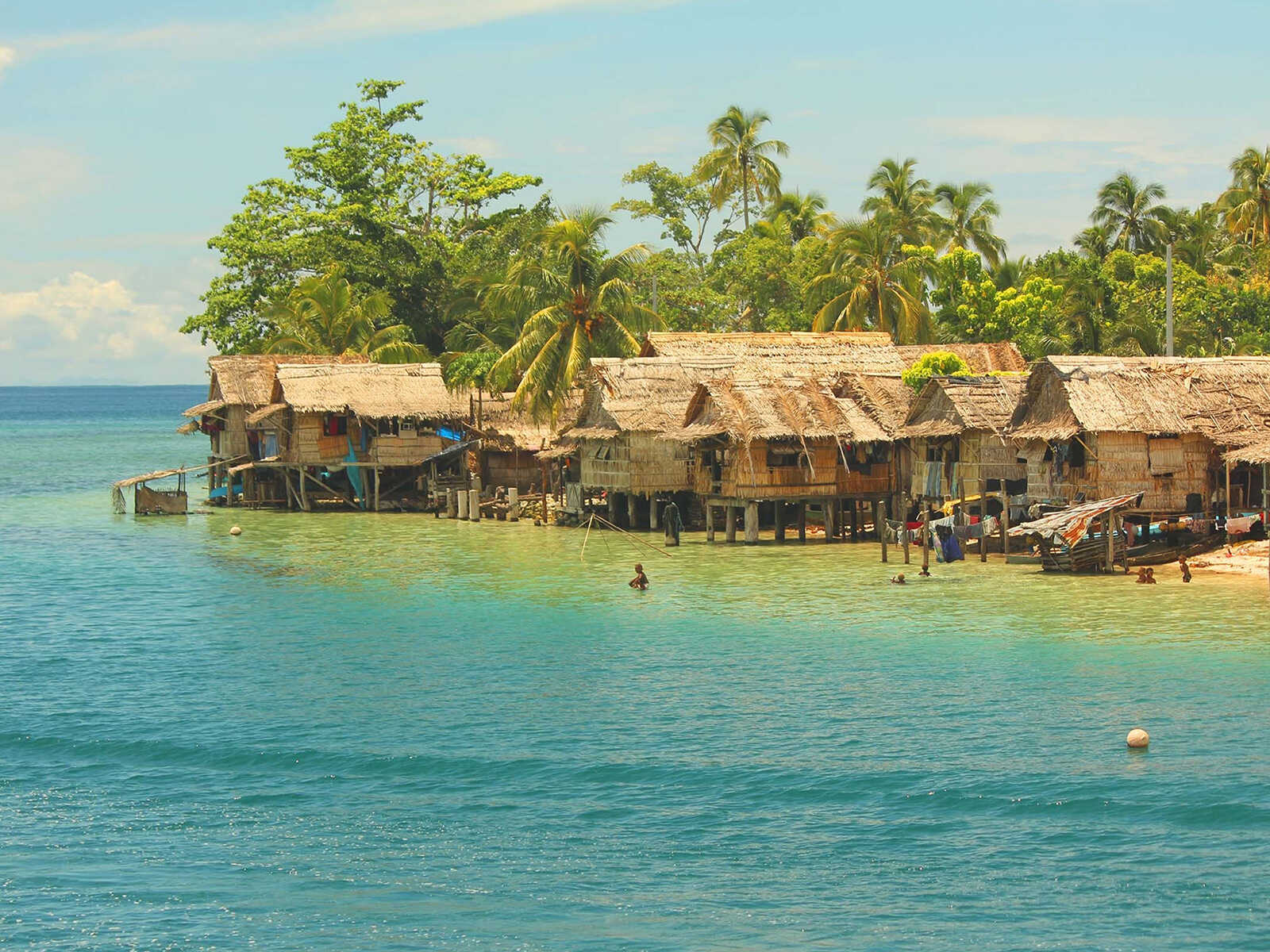
Diving in the Solomon Islands: An Underwater Paradise Guide
The Solomon Islands, a scattered archipelago in the South Pacific, remain one of the world's most pristine and captivating dive destinations. Famed for its untouched coral reefs, abundant marine life, and a remarkable collection of World War II wrecks, this underwater paradise offers an unparalleled experience for divers of all levels.
Far removed from mass tourism, the Solomon Islands present a unique blend of history and natural beauty. Its waters tell tales of pivotal WWII battles, preserving an incredible array of ships, planes, and amphibious vehicles that have transformed into vibrant artificial reefs. Alongside these historical treasures, divers will discover thriving coral gardens teeming with an astonishing diversity of fish and invertebrates, making every descent an adventure.
Why Dive the Solomon Islands?
Diving here is more than just an activity; it's an immersion into a living museum and a vibrant ecosystem. Several factors set the Solomon Islands apart:
- World War II Wrecks:The waters surrounding Guadalcanal, the Russell Islands, and the Florida Islands are veritable graveyards of WWII history. From transport ships to fighter planes, these wrecks are remarkably preserved and now host an explosion of marine life.
- Pristine Coral Reefs:Away from human impact, the Solomon Islands boast some of the healthiest and most vibrant coral reefs on the planet. Expect kaleidoscopic soft corals, massive hard coral formations, and an incredible density of reef fish.
- Unique Marine Life:Encounter everything from tiny pygmy seahorses and nudibranchs to schooling barracuda, trevally, and various shark species. The biodiversity here is astounding, with many endemic species.
- Exceptional Visibility:Often exceeding 30 meters (100 feet), the clear, warm waters provide perfect conditions for photography and exploration.
- Cultural Immersion:Many dive operations work closely with local communities, offering a chance to experience traditional village life and Solomon Islands culture firsthand.
Top Diving Regions and Sites
While incredible dive sites are scattered throughout the archipelago, certain regions are particularly renowned:
Guadalcanal: The Iron Bottom Sound
The waters off Guadalcanal are famously known as "Iron Bottom Sound" due to the sheer number of WWII ships and planes that rest on its seabed. This area is a must-visit for wreck enthusiasts.
- Bonegi Beach: Just a short drive from Honiara, Bonegi is home to two accessible Japanese transport wrecks, theHirokawa Maruand theKinugawa Maru. Both are shore dives, with parts of the wrecks easily visible in shallow water, making them excellent for all dive levels, including snorkelers.
- Other Wrecks:Beyond Bonegi, deeper wrecks like theUSS Atlanta,USS Aaron Ward, and various Japanese destroyers offer advanced technical diving opportunities, often requiring specialized charters.
Western Province: Reefs, Lagoons, and More Wrecks
The Western Province, encompassing areas like Gizo, Munda, and Marovo Lagoon, offers a diverse range of diving experiences, from vibrant reefs and dramatic drop-offs to more WWII relics.
- Gizo:A popular hub for divers, Gizo provides access to a variety of sites including theToa Maru, a Japanese transport ship often described as one of the best intact WWII wrecks globally, and Joe's Wall, known for its healthy corals and abundant reef fish.
- Marovo Lagoon: Recognized as a UNESCO World Heritage Site candidate, Marovo is the world's largest saltwater lagoon. It's a haven for biodiversity, with spectacular reef dives, underwater caves, and opportunities to see pelagic species. The pristine corals here are a major draw.
- Uepi: Located at the edge of Marovo Lagoon, Uepi Island is famous for its exhilarating channel dives, where strong currents bring in large schools of fish, sharks, and manta rays. The house reef is also exceptional for macro life and night dives.
- MS World Discoverer: A unique and relatively modern wreck, this cruise ship ran aground in 2000 and now lies partially submerged and listing in Roderick Bay, Nggela. It offers a fascinating, albeit eerie, dive or snorkel experience, with parts of the ship still visible above water.
Russell Islands: Iconic Formations
The Russell Islands are renowned for their dramatic underwater topography, including spectacular cuts and caves.
- Leru Cut:A signature dive, this dramatic crack in a rock face allows divers to swim into a narrow canyon, emerging into a freshwater pool surrounded by jungle. The light filtering through the canopy is breathtaking.
- Customs Corner:Known for its strong currents, this site attracts schooling barracuda, jacks, and various shark species, offering thrilling drift dives along a wall.
Florida Islands (Nggela Islands): A Mix of Wrecks and Reefs
Easily accessible from Honiara, the Florida Islands offer a combination of historical dives and vibrant reef systems.
- Twin Tunnels:Two volcanic tunnels drop vertically from the reef top to significant depths, showcasing diverse marine life clinging to their walls.
- Mavis Bank:A B-17 bomber wreck that lies relatively intact in clear water, offering a poignant and fascinating dive.
Planning Your Dive Trip
A dive trip to the Solomon Islands requires some planning, but the rewards are immense.
Best Time to Visit
The Solomon Islands generally experience a warm, tropical climate year-round. The dry season, fromMay to October, typically offers the calmest seas and best visibility, making it ideal for diving. The wet season (November to April) can bring more rain and rougher conditions, but diving is still possible, often with fewer crowds.
Getting There
International flights typically arrive at Honiara International Airport (HIR) on Guadalcanal. From Honiara, domestic flights, ferries, or private charters connect to other provinces and dive resort locations.
Accommodation and Liveaboards
Divers have options ranging from dedicated dive resorts, often with their own dive operations, to liveaboards. Liveaboards are an excellent choice for exploring multiple remote sites and maximizing dive time, while resorts offer a more relaxed pace and opportunities for land excursions.
Dive Operators
It's crucial to choose reputable dive operators with experienced guides who are familiar with local conditions and safety protocols. Many resorts have their own PADI or SSI affiliated dive centers.
Tip:Always carry appropriate dive insurance that covers medical emergencies and evacuation. Due to the remote nature of some dive sites, immediate medical facilities might be limited.
Responsible Diving
The Solomon Islands' marine ecosystems are incredibly fragile. Practice responsible diving by maintaining buoyancy, avoiding contact with corals, and never disturbing marine life. Support local communities by choosing eco-conscious operators and respecting cultural norms.
Beyond the Dive Site
While diving is undoubtedly the main attraction, the Solomon Islands offer rich cultural experiences and natural beauty above the surface. Consider visiting traditional villages, exploring local markets, or venturing inland to discover waterfalls like Tenaru waterfalls on Guadalcanal. For those interested in conservation and pristine wilderness, a visit to Tetepare Island, a renowned conservation area, offers insights into community-led environmental efforts and opportunities for wildlife spotting.
Embark on Your Underwater Journey
The Solomon Islands truly live up to their reputation as an underwater paradise. With a unique blend of historical wrecks and vibrant, healthy reefs, it offers an unforgettable diving adventure for those seeking to explore one of the world's last great frontiers. Prepare to be amazed by the sheer beauty and biodiversity beneath the surface.