
Best Time to Visit the Solomon Islands: Weather, Activities & More
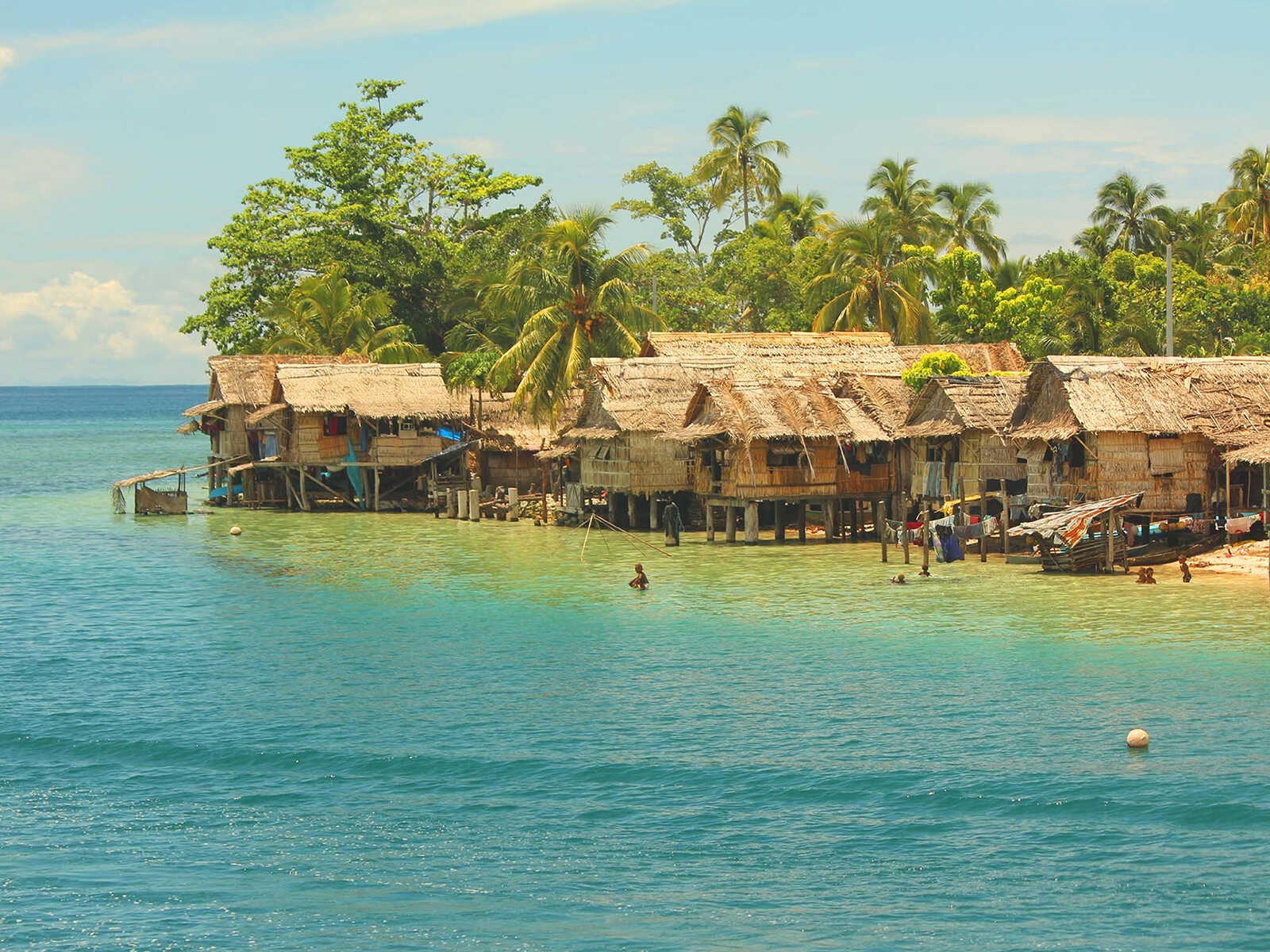
The Solomon Islands, an archipelago of lush islands and pristine waters in the South Pacific, offer an unparalleled escape for adventurers and those seeking natural beauty. To truly maximize your experience in this tropical paradise, understanding the nuances of its climate and how it impacts activities is essential.
Understanding the Solomon Islands Climate
The Solomon Islands experience a tropical monsoon climate, characterized by consistently warm temperatures and high humidity year-round. Rather than distinct summer and winter, the islands have two primary seasons: a drier, slightly cooler period and a wetter, hotter period.
- Average Temperatures:Generally range from 25°C to 32°C (77°F to 90°F) throughout the year.
- Humidity:High, often above 80%, making the air feel warm and sticky.
- Rainfall:Significant, with average annual precipitation varying across the islands, but generally heavy during the wet season.
The Dry Season: May to October
Often considered the peak season for visitors, the dry season brings more stable weather conditions, making it an ideal time for a wide range of activities. During these months, rainfall is less frequent and typically consists of shorter, lighter showers. Humidity levels are also slightly lower, contributing to a more comfortable climate.
Weather in the Dry Season
- Rainfall:Reduced, with fewer heavy downpours.
- Humidity:Slightly lower, offering more comfortable conditions.
- Temperatures:Remain warm, but with less oppressive humidity.
- Sea Conditions:Generally calmer seas, ideal for boat travel and water activities.
Activities Best Enjoyed in the Dry Season
The clearer skies and calmer waters of the dry season are perfect for exploring the Solomon Islands' natural wonders.
- Diving and Snorkeling:Visibility is often at its best, providing incredible views of vibrant coral reefs and historic WWII wrecks. Explore sites like the famous MS World Discoverer or the extensive coral gardens of Marovo Lagoon.Bonegi beach is also a popular spot for easily accessible wreck diving.
- Island Hopping:Smoother sea conditions make inter-island travel by boat more pleasant and reliable.
- Hiking and Trekking:Trails are less muddy and slippery, making excursions to natural attractions like Tenaru waterfalls more enjoyable.
- Cultural Experiences:Engage with local communities and enjoy outdoor festivals without the worry of heavy rain.
Travel Tip:While the dry season is popular, the Solomon Islands rarely feel crowded. However, booking accommodation and specific tours, especially for sought-after eco-resorts like those in Uepi or Tetepare, well in advance is advisable.
The Wet Season: November to April
The wet season, also known as the green season, brings higher humidity and more frequent rainfall to the Solomon Islands. While some travelers might be deterred by the rain, this period offers its own unique charm and advantages for those who don't mind a few showers.
Weather in the Wet Season
- Rainfall:More frequent and often heavier downpours, typically in the late afternoon or overnight. Sunny periods are still common.
- Humidity:Higher, making conditions feel hotter and more humid.
- Temperatures:Generally slightly warmer than the dry season.
- Cyclones:The official cyclone season runs from November to April, with the highest risk between January and March. However, direct hits are relatively rare.
Activities Best Enjoyed in the Wet Season
Don't let the name "wet season" discourage you; there's still plenty to see and do.
- Lush Landscapes:The rain transforms the islands into incredibly verdant and vibrant green landscapes, perfect for photography.
- Surfing:This period often brings consistent swells to specific surf breaks around the islands, attracting experienced surfers.
- Diving & Snorkeling:While visibility can occasionally be reduced after heavy rain, many dive sites, particularly those sheltered in lagoons like Marovo Lagoon, still offer excellent conditions. Plus, you might find fewer divers at popular spots.
- Cultural Immersion:With fewer tourists, you may experience a more authentic interaction with local life.
Best Time for Specific Activities
Diving and Snorkeling
Generally year-round, but May to October (Dry Season) offers superior visibility.The calm waters and clear skies mean less runoff and better light penetration. Sites like Uepi and Marovo Lagoon are world-renowned, offering incredible biodiversity and a chance to explore WWII wrecks. Even in the wet season, sheltered lagoons can provide fantastic diving.
Surfing
November to April (Wet Season) is typically the best time for consistent swells.The northern coasts receive excellent waves during this period. While not as famous as other Pacific surf destinations, the Solomon Islands offer uncrowded breaks for those in the know.
Hiking and Exploring Nature
May to October (Dry Season) is ideal.Less rain means drier trails, making it easier to explore rainforests, visit local villages, or trek to scenic spots like Tenaru waterfalls. The conservation efforts on islands like Tetepare are also more accessible during this time.
Birdwatching and Wildlife Spotting
Year-round, with easier access in the dry season.The Solomon Islands boast a high level of endemism, making them a birdwatcher's paradise. While birds and wildlife are present throughout the year, drier conditions can make it easier to navigate remote areas and spot elusive species.
Fun Fact:The Solomon Islands are part of the 'Coral Triangle', the global center of marine biodiversity. This means an incredible array of fish, corals, and other marine life can be found here, making any time a good time for underwater exploration!
Making Your Decision: When to Visit?
Ultimately, the "best" time to visit the Solomon Islands depends on your priorities and what you hope to experience:
- Ifmaximum sunshine, calm seas, and optimal visibility for diving/snorkelingare your priority, aim for thedry season (May to October).
- If you preferfewer tourists, lush green scenery, potentially better surfing conditions, and don't mind occasional rain, thewet season (November to April)could be a fantastic choice.
Regardless of when you choose to visit, a journey to the Solomon Islands promises an unforgettable adventure. Be prepared for a warm, humid climate, pack appropriate gear, and embrace the laid-back rhythm of island life. With its rich history, vibrant culture, and unparalleled natural beauty, the Solomon Islands awaits your discovery.
It's always wise to check the latest weather forecasts and local conditions before your trip, as tropical weather can be unpredictable.