
Slovenian Wine Regions: A Complete Guide for Enthusiasts
Often overshadowed by its larger European neighbors, Slovenia holds a delightful secret for wine lovers: a vibrant and diverse winemaking tradition rooted in ancient practices. From crisp whites to robust reds and unique indigenous varietals, exploring Slovenia's wine regions offers an authentic and unforgettable journey for any enthusiast.
An Introduction to Slovenian Wine
Slovenia, despite its small size, boasts a remarkable array of microclimates and terroirs, allowing for the cultivation of a wide range of grape varietals. With a winemaking history stretching back over 2,400 years, predating even the Romans, Slovenian wines are a testament to centuries of tradition blended with modern innovation. The country is broadly divided into three primary wine regions, each with its distinct character, climate, and flagship wines.
Slovenian winemakers are passionate about sustainability and often produce small-batch, high-quality wines, many of which are organic or biodynamic. This focus on quality over quantity, combined with a strong emphasis on indigenous grapes, makes for a truly unique tasting experience.
The Three Main Slovenian Wine Regions
1. Podravje (Drava Region)
Located in the northeastern part of Slovenia, bordering Austria and Hungary, Podravje is the country's largest wine region by area and is predominantly known for its crisp, aromatic white wines. The climate here is continental, with cold winters and warm summers, moderated by the Drava River. The soils are varied, ranging from marl to sandy loam, contributing to the complexity of the wines.
Key Varietals and Sub-regions:
- Štajerska Slovenija:This sub-region, also known as Styria, is the heart of Podravje. Here, you'll find excellent examples ofLaški Rizling(Welschriesling),Furmint(also known as Šipon locally),Sauvignon Blanc, andPinot Gris. The wines are often characterized by their vibrant acidity and aromatic profiles. Don't miss the opportunity to visit wine cellars around Ptuj, Slovenia's oldest town, which boasts a rich winemaking heritage.
- Prekmurje:Situated further east, Prekmurje shares a border with Hungary and is known for its rolling hills and thermal springs. While similar varietals are grown, there's a growing interest in unique local expressions and orange wines, particularly from Furmint.
Podravje wines are typically dry, light to medium-bodied, and pair wonderfully with local cuisine, especially freshwater fish and poultry. The region is also home to some excellent sparkling wines produced using traditional methods.
Fun Fact:The oldest vine in the world, a Žametovka vine still producing grapes, can be found in Maribor, the regional capital of Podravje, dating back over 400 years!
2. Posavje (Lower Sava Region)
Nestled in the southeastern part of Slovenia, Posavje is the smallest of the three regions and is unique for its embrace of both white and red varietals, often blended. The climate is transitional, influenced by both continental and Mediterranean patterns, resulting in warmer summers and mild winters. The topography is characterized by rolling hills and river valleys.
Key Varietals and Sub-regions:
- Dolenjska:This sub-region is famous forCviček, a protected traditional wine (PTP) unique to Slovenia. Cviček is a light-bodied, low-alcohol dry red wine, made from a blend of red and white grapes, primarilyŽametovkaandKraljevina. It's known for its refreshing acidity and often served chilled. Other notable red grapes includeModra Frankinja(Blaufränkisch) andPortugalka(Blauer Portugieser).
- Bela Krajina:Meaning "White Carniola," this area is known for its picturesque landscape and a broader range of varietals. In addition to Cviček components, you'll find good examples ofBelokranjec, another protected wine, and excellentModra Frankinja.
- Šmarje-Virštanj:A smaller, more elevated sub-region, known for its specific microclimates and a focus on both traditional and international varietals.
Posavje offers a charming, rustic wine experience, often centered around small family-run vineyards. It's a region where tradition is deeply ingrained, and winemakers are proud to share their unique heritage.
3. Primorska (Littoral Region)
Stretching along Slovenia's western border with Italy and reaching down to the Adriatic Sea, Primorska is arguably Slovenia's most renowned wine region. Its Mediterranean climate, characterized by hot, dry summers and mild winters, combined with diverse soils (flysch, marl, limestone), creates ideal conditions for cultivating both indigenous and international grape varieties.
Key Varietals and Sub-regions:
- Goriška Brda:Often dubbed "Slovenian Tuscany," Brda is famous for its terraced vineyards and rolling hills. It's renowned for its exquisite white wines, particularlyRebula(Ribolla Gialla), which thrives in the region's marl soils, producing wines with minerality and complexity. Other significant varietals includePinot Grigio,Chardonnay, and increasingly, exceptional orange wines.
- Vipava Valley:A unique valley influenced by the bora wind, Vipava is a treasure trove of indigenous white varietals. Look forZelen, known for its herbal notes, andPinela, offering delicate floral aromas. The region also produces excellent red wines, especiallyMerlotandCabernet Sauvignon.
- Karst (Kras):This rugged plateau is famous for its iron-rich, red terra rossa soil. It's the home ofTeran, a robust, deeply colored red wine made from the Refošk grape. Teran is known for its high acidity, savory notes, and health benefits, often paired with the local Karst prosciutto. The nearby Škocjan Caves and Postojna Cave are incredible natural wonders to explore in this area. You can also discover the dramatic Predjama Castle nearby.
- Slovenian Istria (Slovenska Istra):Bordering the Adriatic Sea, this sub-region shares much of its winemaking tradition with Italian Istria.Malvazija Istarska(Malvasia) is the queen of white grapes here, producing full-bodied, aromatic wines. Red wines likeRefoškalso flourish. Don't miss the charming coastal town of Piran for a beautiful seaside experience alongside your wine tasting.
Primorska wines, especially those from Goriška Brda and Vipava, are highly regarded internationally and are known for their elegance, structure, and ability to age beautifully. Many winemakers here experiment with extended maceration, producing the increasingly popular "orange wines."
Planning Your Slovenian Wine Trip
Visiting Slovenia's wine regions is an immersive experience. Here are some practical tips to help you plan your journey:
- Best Time to Visit:Late spring (May-June) and early autumn (September-October) offer pleasant weather for vineyard tours and tastings. Autumn harvest festivals are particularly vibrant.
- Transportation:Renting a car provides the most flexibility to explore vineyards off the beaten path. However, organized wine tours are also available from major cities like Ljubljana City Center.
- Accommodation:Consider staying at a "Turistična kmetija" (tourist farm) or a dedicated wine estate. Many offer comfortable lodging, delicious farm-to-table meals, and direct access to wine tastings.
- Wine Tasting Etiquette:Appointments are often required, especially at smaller family wineries. It's customary to purchase a bottle or two if you enjoy the wines.
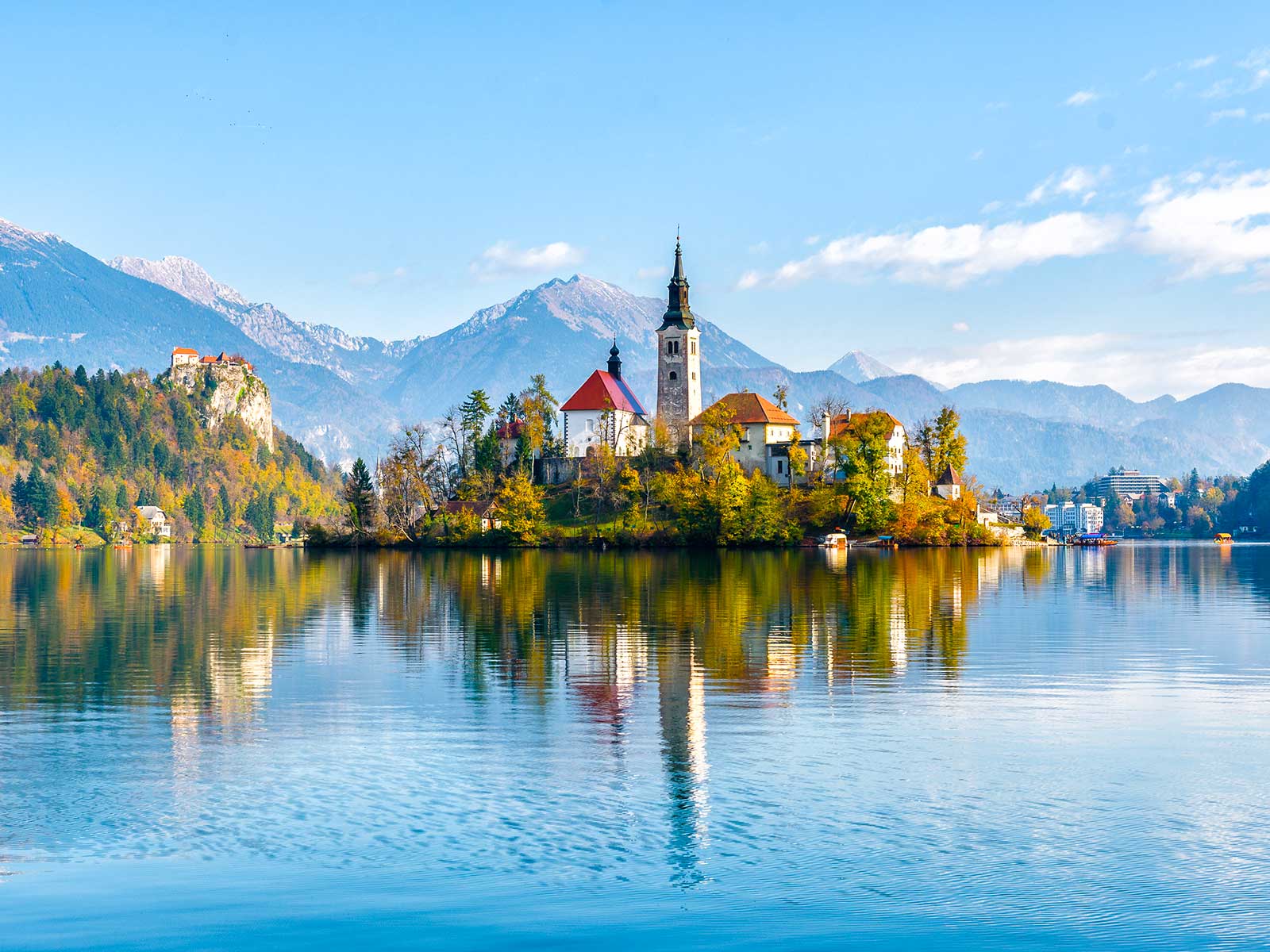
- Combine with Other Attractions:Slovenia is small, making it easy to combine wine tasting with other adventures. For example, after exploring the vineyards of Primorska, you could visit the stunning Lake Bled.
Embrace the Slovenian Wine Journey
Slovenia's wine regions offer a compelling blend of tradition, innovation, and breathtaking scenery. Whether you're a seasoned connoisseur or a curious novice, the diverse terroirs and passionate winemakers promise a truly unique and rewarding experience. From the aromatic whites of Podravje to the unique Cviček of Posavje and the world-class Rebula of Primorska, there's a Slovenian wine waiting to captivate your palate.
Embark on this delightful journey and discover why Slovenia is quickly becoming one of Europe's most exciting wine destinations.