
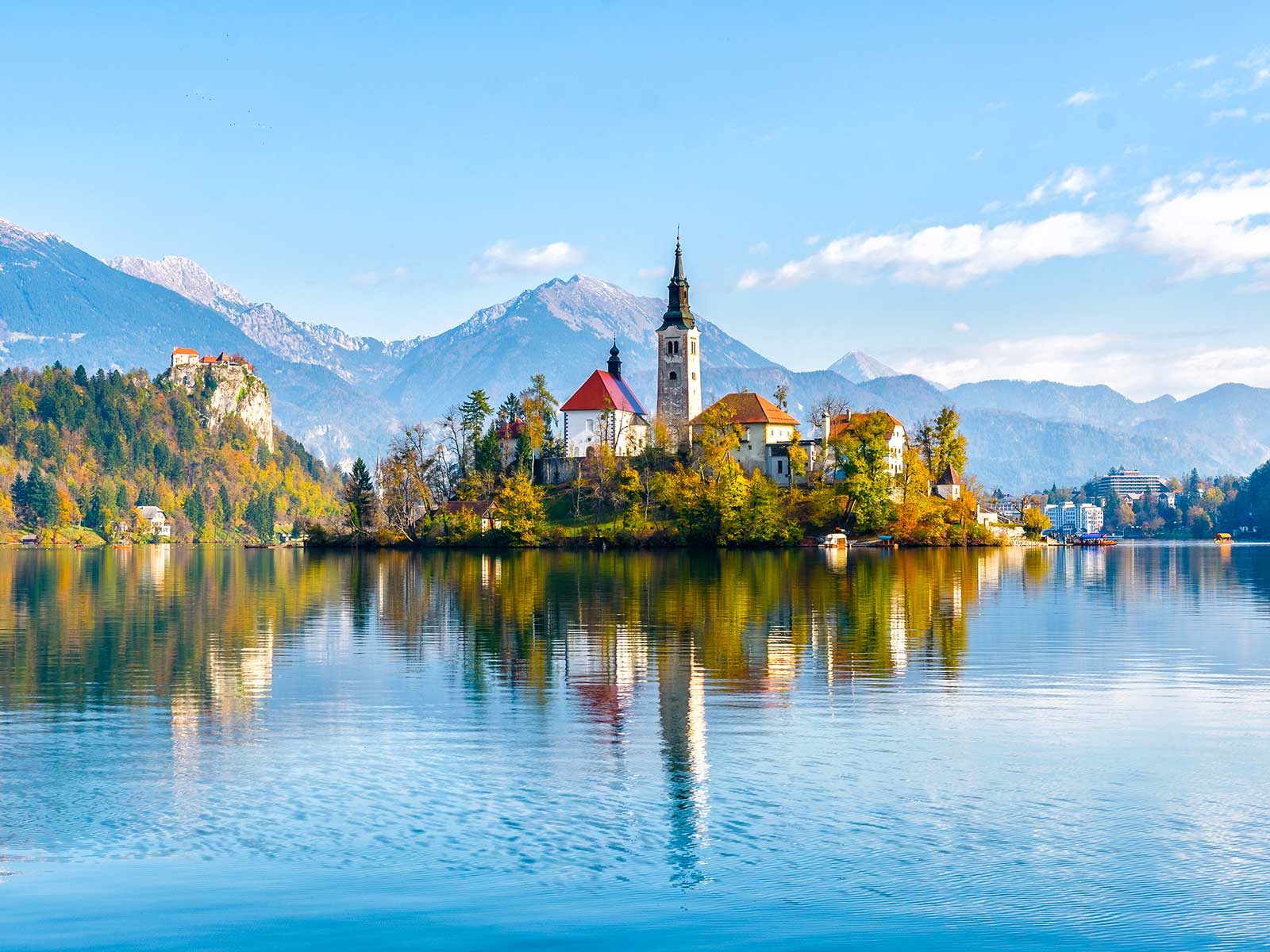
Public Holidays and Festivals in Slovenia: Plan Your Visit
Slovenia, a land of stunning natural beauty and rich cultural heritage, offers a vibrant calendar of public holidays and traditional festivals throughout the year. Understanding these dates is key to planning a seamless and enriching trip, as they can influence everything from opening hours to the availability of accommodation and the overall atmosphere of your visit.
Whether you're looking to immerse yourself in local celebrations or simply navigate your travel plans around potential closures, this guide will help you prepare for an unforgettable Slovenian adventure.
Understanding Slovenian Public Holidays
Public holidays in Slovenia often mean a day off for most workers, leading to closures of banks, post offices, and some shops. Public transport may operate on a reduced schedule, and popular tourist attractions could experience higher visitor numbers. Planning ahead is always advisable, especially if your visit coincides with one of these national observance days.
Annual Public Holidays in Slovenia:
Here is a list of Slovenia's public holidays. Note that some dates, particularly around Easter and Pentecost, are variable.
- January 1 & 2: New Year's Day
Slovenia celebrates the start of the new year with two days of public holiday. Many businesses will be closed, and public transport may be limited. Festivities often carry over from New Year's Eve, particularly in cities like Ljubljana City Center. - February 8: Prešeren Day (Slovenian Culture Day)
A celebration of Slovenian culture, commemorating the death of the national poet France Prešeren. Expect cultural events and free entry to some museums and galleries. - Good Friday & Easter Sunday:(Variable dates, usually March or April)
Good Friday is not a public holiday, but Easter Sunday is a significant religious observance. - Easter Monday:(Variable date, usually March or April)
A public holiday, often marked by family gatherings and traditional meals. - April 27: Day of Uprising Against Occupation
Commemorates the establishment of the Anti-Imperialist Front (later Liberation Front) during World War II. Parades and ceremonies are held across the country. - May 1 & 2: Labour Day
Slovenia celebrates Labour Day over two days. This is a popular time for Slovenians to travel and enjoy nature, so expect more crowds at popular spots like Lake Bled or Triglav National Park. - Pentecost Monday:(Variable date, 50 days after Easter)
A religious holiday, often a quiet day for reflection. - June 25: Statehood Day
Commemorates Slovenia's declaration of independence in 1991. Celebrations include official ceremonies and cultural events. - August 15: Assumption Day
A significant religious holiday, particularly in Catholic tradition. Many churches hold special services. - October 31: Reformation Day
Celebrates the Reformation movement, which had a profound impact on Slovenian language and culture. - November 1: All Saints' Day
A day of remembrance for the deceased, when families visit cemeteries to light candles and lay flowers. - December 25: Christmas Day
A traditional family holiday, with most businesses closed. - December 26: Independence and Unity Day
Commemorates the official proclamation of the results of the 1990 plebiscite on Slovenia's independence.
Traveler's Tip:During public holidays, particularly long weekends, accommodation and popular attractions can book up quickly. Always reserve your lodging and any desired tours well in advance.
Seasonal Festivals and Cultural Events
Beyond the official public holidays, Slovenia hosts a diverse array of festivals that showcase its rich traditions, arts, and culinary delights. Timing your visit with one of these events can add an extra layer of magic to your trip.
Winter Warmth and Carnival Cheer (December - February)
- Christmas Markets (December):The festive season transforms cities like Ljubljana City Center into enchanting winter wonderlands. Expect twinkling lights, craft stalls, mulled wine, and festive food. Smaller markets can also be found in towns like Lake Bled and Piran.
- Kurentovanje (February/March):One of Slovenia's most famous ethnographic festivals, Kurentovanje in Ptuj is a UNESCO-recognized carnival tradition. Locals don elaborate sheepskin costumes and bells to chase away winter spirits. It's a vibrant, noisy, and unforgettable cultural experience.
- Winter Sports Events (January - March):For sports enthusiasts,Kranjska Gora regularly hosts FIS Alpine Ski World Cup events, drawing international crowds and a lively atmosphere.
Spring Awakening and Easter Traditions (March - May)
- Easter Celebrations:Across Slovenia, Easter is a time for special religious ceremonies and culinary traditions. Look out for beautifully decorated pysanky (painted eggs) and delicious "potica" (a traditional rolled pastry).
- Cherry Blossom Festivals (April/May):While not a single major event, the blossoming of cherry trees, particularly in the Goriška Brda wine region, is a beautiful sight and often celebrated with local culinary events.
Summer Splendor and Outdoor Festivities (June - August)
- Ljubljana Summer Festival (July - August):A premier cultural event, the Ljubljana Summer Festival offers a rich program of music, theatre, and dance performances at various venues across the capital.
- Bled Days and Bled Cream Cake Festival (July):Lake Bled comes alive with traditional crafts, music, and the famous candle-lit lanterns on the lake. It's also a fantastic opportunity to savor the original Bled cream cake.
- Piran Summer Festival (July - August):The charming coastal town of Piran hosts a summer festival featuring classical music, theatre, and dance in its picturesque squares.
- Beer & Flowers Festival in Laško(July):One of Slovenia's oldest and most popular festivals, combining beer tasting with flower exhibitions, concerts, and cultural events.
- Medieval Days in Celje(August):Step back in time in the historic city of Celje, where knights, jesters, and artisans recreate medieval life with tournaments, markets, and performances.
- Summer Music Festivals:Various towns host music festivals catering to different genres, from classical to contemporary. Keep an eye on local listings.
Autumn Harvest and Cultural Riches (September - November)
- Grape Harvest Festivals (September/October):In Slovenia's wine regions, autumn is marked by grape harvest festivals (vinogradniške trgatve). These joyful events often include traditional music, food, and, of course, wine tasting.
- Chestnut Roasting Festivals (October):As the air cools, many villages celebrate the chestnut harvest with roadside stalls roasting chestnuts and offering new wine.
- St. Martin's Day (November 11):This widely celebrated day marks the transformation of must (unfermented grape juice) into wine. It's a festive occasion across wine regions, featuring feasts of goose, red cabbage, and delicious new wine.
Practical Tips for Planning Your Visit Around Holidays and Festivals
- Check Specific Dates:Public holiday dates are fixed, but festival dates can vary slightly year to year. Always cross-reference with official Slovenian tourism websites or local event calendars.
- Book Early:During peak festival times or long holiday weekends, accommodation, rental cars, and even popular restaurant reservations can become scarce and more expensive. Book well in advance.
- Be Aware of Closures:On public holidays, assume that banks, post offices, and many smaller shops will be closed. Larger supermarkets and essential services might operate on reduced hours. Tourist attractions like Postojna Cave or Predjama Castle generally remain open but may have special schedules.
- Public Transport:Expect reduced schedules for buses and trains on public holidays. If you're relying on public transport, check timetables carefully.
- Embrace the Atmosphere:Don't just plan around holidays; plan to participate! Slovenian festivals offer a fantastic opportunity to experience local culture firsthand.
- Consider Shoulder Seasons:If you prefer fewer crowds and potentially milder weather, consider visiting during the shoulder seasons (April-May or September-October), when many festivals are still held, but the peak summer tourist rush has subsided.
Conclusion
Slovenia's calendar is brimming with opportunities to delve deeper into its unique culture and traditions. By understanding the rhythms of its public holidays and vibrant festivals, you can tailor your visit to either enjoy serene exploration or immerse yourself in lively local celebrations. Whichever you choose, Slovenia promises a memorable and richly rewarding travel experience.