
Getting Around Slovenia: Transportation Options for Tourists
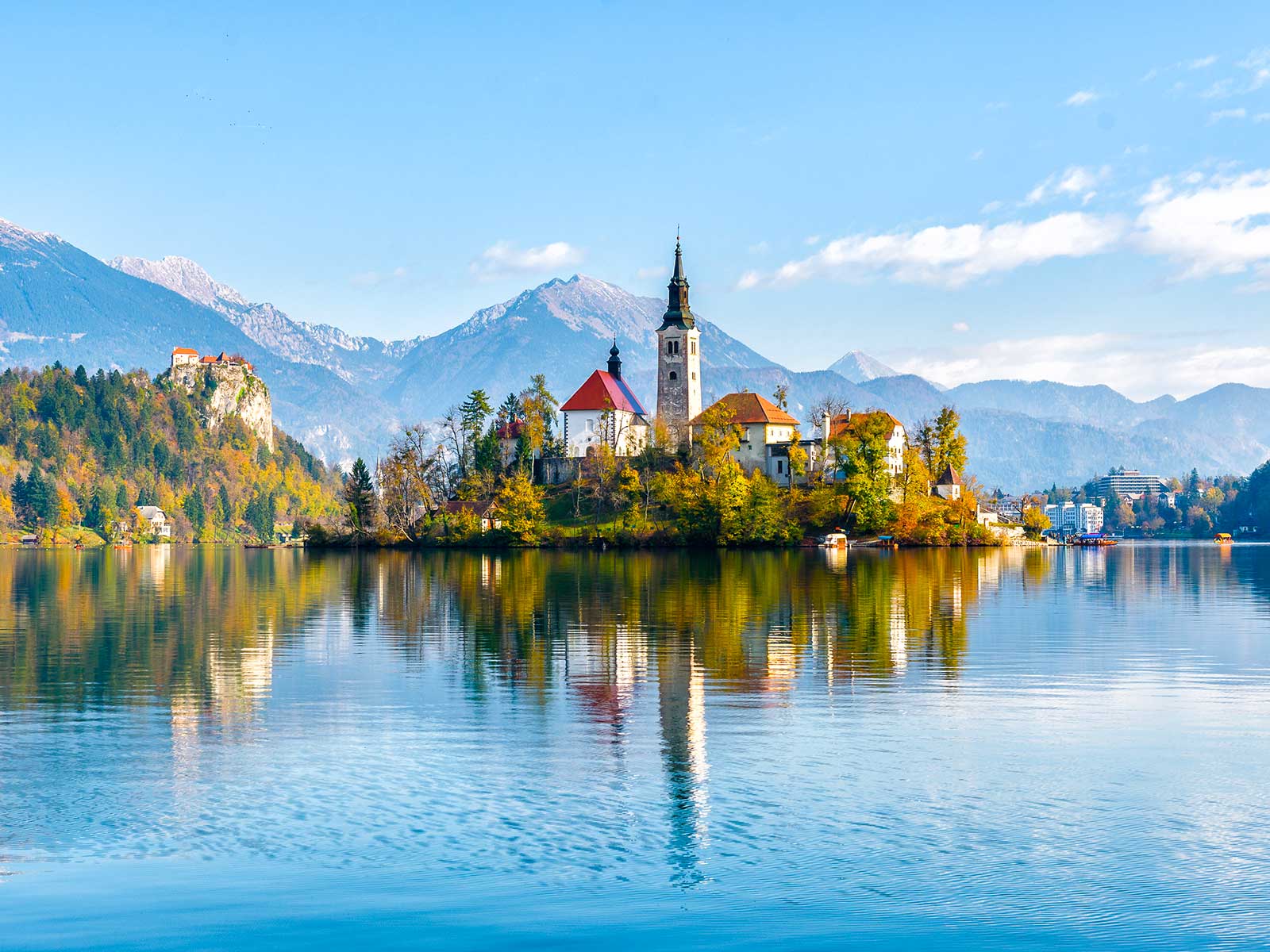
Slovenia, a jewel nestled in the heart of Europe, offers an incredible diversity of landscapes, from Alpine peaks to a charming coastline, and bustling cities to tranquil villages. Navigating this beautiful country is an essential part of any trip, and fortunately, Slovenia provides a range of efficient and enjoyable transportation options for tourists to explore its many wonders.
Public Transportation: Connecting Slovenia
For environmentally conscious travelers or those preferring to relax and enjoy the scenery, Slovenia's public transportation network is a reliable and cost-effective choice.
Trains (Slovenske Železnice - SŽ)
The Slovenian railway system, Slovenske Železnice (SŽ), connects most major towns and cities. Trains are generally comfortable, punctual, and offer a scenic way to travel, particularly through the picturesque countryside. Key routes connect Ljubljana with Maribor, Koper, Jesenice (gateway to the Alps), and Novo Mesto.
- Pros:Relaxing, often scenic, eco-friendly, good for inter-city travel.
- Cons:Coverage is less extensive in very rural or mountainous regions compared to buses.
- Tips:Consider an Interrail or Eurail pass if you're combining Slovenia with other European countries. For domestic travel, tickets can be purchased at stations or online.
Buses (Arriva, Nomago, etc.)
Buses are arguably the most comprehensive public transport option in Slovenia, reaching even the smallest villages and most popular tourist attractions that trains might not. They are particularly useful for accessing destinations like Lake Bled,Postojna Cave,Piran, and Kranjska Gora.
- Pros:Extensive network, often more frequent than trains on popular routes, good for reaching remote areas and natural parks like Triglav National Park.
- Cons:Can be slower than trains due to more stops; schedules might be less frequent on weekends or in off-season for some routes.
- Tips:Tickets can usually be purchased directly from the driver (cash recommended) or at bus stations. It's wise to check schedules in advance, especially for less common routes.
City Public Transport (Ljubljana Urbana Card)
In Ljubljana, the capital, public buses are the primary mode of city transport. The system is efficient, and the best way to use it is with the Urbana card. This reloadable card can be purchased and topped up at kiosks, tourist information centers, and even some newsstands. Other cities like Maribor and Koper also have local bus services, though on a smaller scale.
Fun Fact:Ljubljana's city center is largely car-free, making walking and cycling the most pleasant ways to explore its charming streets. The city also offers a unique "Kavalir" electric vehicle service for free rides within the pedestrian zone.
Private Transportation: Freedom to Explore
For those who value flexibility and the ability to venture off the beaten path, private transportation offers unparalleled freedom.
Rental Cars
Renting a car is an excellent option for exploring Slovenia at your own pace, especially if you plan to visit multiple regions, remote natural attractions, or engage in activities like hiking in Triglav National Park. Roads are generally well-maintained, and traffic is usually light outside of major cities.
- Pros:Ultimate flexibility, ideal for road trips and reaching less accessible sites like Predjama Castle,Škocjan Caves,Ptuj, or Celje.
- Cons:Parking can be challenging and costly in city centers, tolls (via vignette), and navigating mountain roads in winter.
- Requirements:Drivers must be at least 21 years old (sometimes 23 or 25, depending on the rental company) and hold a valid driving license for at least two years. An International Driving Permit (IDP) is recommended, particularly for non-EU license holders.
- Tips:A vignette is mandatory for using Slovenian highways and expressways; ensure your rental car has one, or purchase it immediately upon entering the country. Book in advance, especially during peak season.
Taxis and Ride-Sharing
Taxis are readily available in Slovenian cities and at airports. While convenient for short distances or late-night travel, they can be a more expensive option for longer journeys. Ride-sharing apps are present in Ljubljana and some other larger towns, offering an alternative to traditional taxis.
- Pros:Door-to-door convenience, good for specific point-to-point travel.
- Cons:Can be costly, especially for longer distances.
- Tips:Always use official taxis (look for meters and company markings). When using ride-sharing apps, confirm your driver and vehicle details.
Private Transfers & Shuttles
For a hassle-free experience, especially to and from airports or for group travel, private transfers and shuttles are a comfortable option. Many companies offer services connecting Ljubljana Airport (LJU) to Ljubljana,Lake Bled, and other popular destinations.
- Pros:Convenience, comfortable, pre-booked, often door-to-door service.
- Cons:Generally more expensive than public transport.
Active Travel: Embrace the Outdoors
Given Slovenia's stunning natural beauty, active modes of transport are not just practical but also an integral part of the travel experience.
Cycling
Slovenia is a fantastic destination for cyclists, offering a variety of terrain from flat river valleys to challenging mountain passes. Numerous cycling routes crisscross the country, including sections of longer international trails. Bikes can be rented in most tourist centers, including Ljubljana,Lake Bled, and areas within Triglav National Park.
- Pros:Eco-friendly, great for scenic exploration, good exercise.
- Cons:Requires physical fitness, can be weather-dependent, not ideal for covering vast distances quickly.
- Tips:Slovenia has well-marked cycling paths; consider e-bikes for tackling hilly terrain with less effort.
Walking and Hiking
For exploring city centers, charming towns, or immersing yourself in nature, walking is often the best choice.Ljubljana's pedestrianized core is a joy to explore on foot, as are the historic streets of Ptuj or Piran. Slovenia is also a hiker's paradise, with countless trails ranging from leisurely strolls around Lake Bled to demanding multi-day treks in Triglav National Park.
- Pros:Free, allows for detailed exploration, excellent for experiencing nature up close.
- Cons:Limited to shorter distances, requires appropriate footwear and gear for hiking.
Special Considerations
- Accessibility:While efforts are being made, accessibility for travelers with disabilities can vary across public transport options and specific locations. It's advisable to check in advance.
- Slovenia Tourist Card / Ljubljana Card:For visitors planning extensive use of public transport and visits to attractions in the capital, the Urbana-based Ljubljana Card can offer savings on bus travel, museum entries, and other benefits.
- Seasonal Travel:Bus schedules to more remote areas, especially in the mountains, might be reduced during the off-season (winter, early spring, late autumn). Always check current schedules.
Whether you prefer the efficiency of public transport, the freedom of a rental car, or the invigorating pace of active travel, Slovenia offers a transport solution for every type of tourist. Plan your journey wisely, and prepare to be enchanted by this incredibly accessible and beautiful country.