
Best Time to Visit Slovenia: A Seasonal Guide
Slovenia, a jewel at the heart of Europe, captivates visitors with its diverse landscapes, from Alpine peaks to a charming Adriatic coast. Deciding the best time to visit this green country depends entirely on your interests and what kind of adventure you seek. This seasonal guide will help you navigate Slovenia's distinct charms throughout the year.
Nestled between the Alps, the Mediterranean, and the Pannonian Plain, Slovenia offers a unique blend of cultures and natural beauty. Whether you dream of skiing down pristine slopes, hiking through lush national parks, exploring medieval towns, or relaxing by sparkling lakes, Slovenia delivers. Each season unveils a different facet of this enchanting destination, promising memorable experiences for every traveler.
Slovenia in Spring (March - May)
Spring in Slovenia is a time of gentle awakening. As the snow recedes from lower elevations, the countryside bursts into life with vibrant greenery and blossoming flowers. Temperatures gradually rise, ranging from cool in March (around 5-10°C) to pleasantly mild by May (15-20°C), though spring showers are common, adding to the lush landscape.
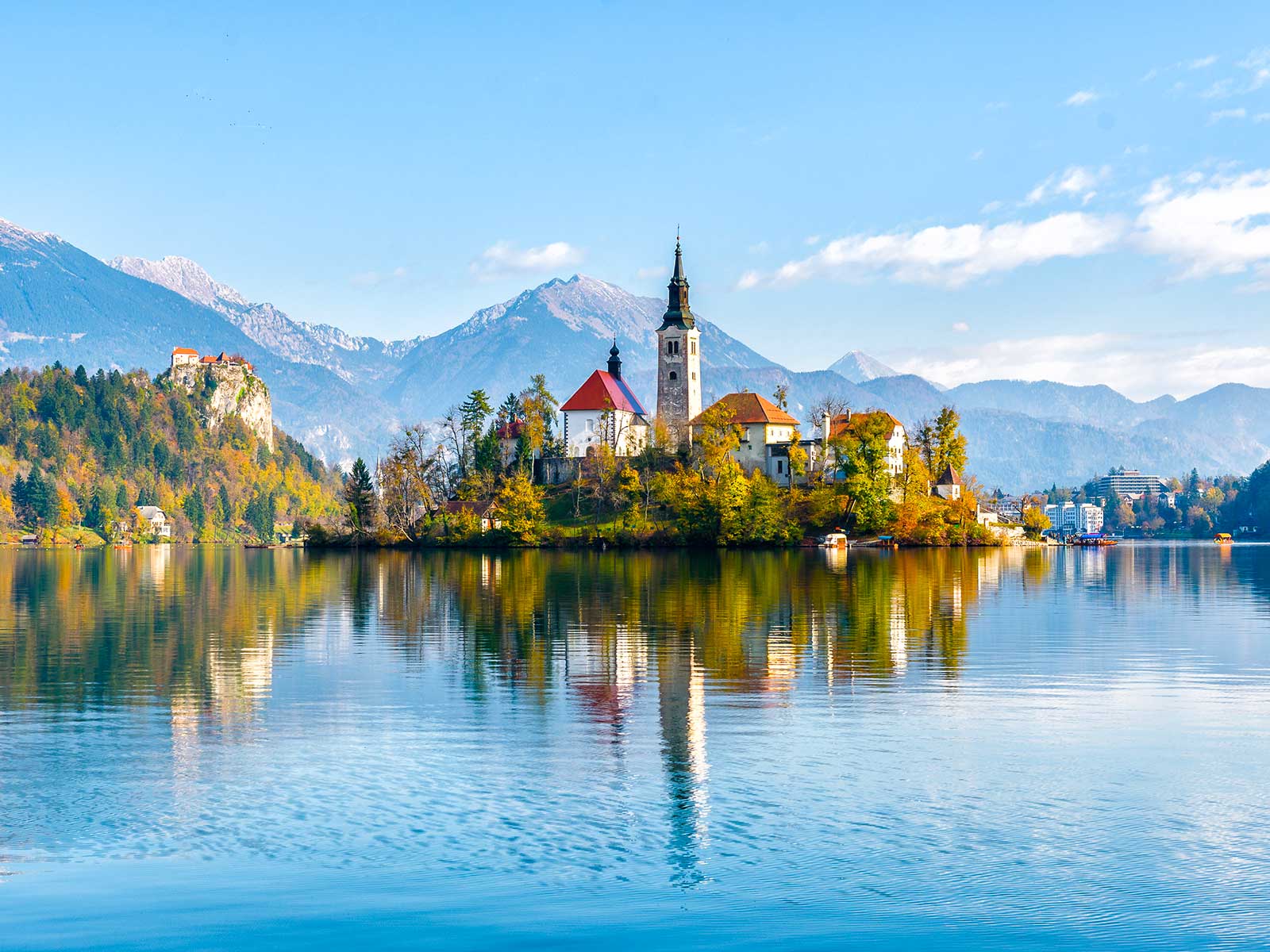
This season is ideal for city exploration and enjoying nature without the summer crowds. The capital,Ljubljana City Center, becomes particularly vibrant with outdoor cafes reopening. Lakeside towns like Lake Bled are serene, offering stunning views without the peak season bustle. It's also a fantastic time for exploring Slovenia's famous underground wonders, such as Postojna Cave and Predjama Castle, which maintain a constant cool temperature year-round.
- Pros:Fewer crowds, beautiful blooming nature, pleasant temperatures for walking and cycling, good value for accommodation.
- Cons:Unpredictable weather with chances of rain, some higher mountain trails may still be inaccessible due to snow.
"Slovenia is one of the most forested countries in Europe, with over 60% of its territory covered by forests, making spring an exquisite time to witness nature's rebirth."
Slovenia in Summer (June - August)
Summer is Slovenia's peak tourist season, and for good reason. The weather is generally warm and sunny, with average temperatures ranging from 20-25°C, often climbing higher in July and August. This is the perfect time to explore the country's diverse outdoor activities, from high mountain adventures to coastal relaxation.
The Julian Alps beckon hikers and climbers to Triglav National Park and the scenic trails around Kranjska Gora. The emerald waters of Lake Bled and Lake Bohinj are perfect for swimming, paddleboarding, and boating. Along the Adriatic coast, the charming town of Piran offers a delightful Mediterranean escape. Popular attractions like Postojna Cave and Predjama Castle can be busy, so booking tickets in advance is advisable.
- Pros:Best weather for outdoor activities, long daylight hours, vibrant festivals and events, all attractions are open.
- Cons:Highest tourist crowds, accommodation can be more expensive and requires early booking, popular spots can feel very busy.
"While summer brings the most tourists, many of Slovenia's natural wonders, like the emerald Soca River, offer refreshing escapes from the heat and crowds."
Slovenia in Autumn (September - November)
As summer fades, Slovenia transforms into a canvas of fiery reds, oranges, and golds. Autumn brings crisp air, clear skies, and a noticeable decrease in tourist numbers, especially after mid-September. Temperatures are comfortable, typically between 10-18°C, making it an excellent time for sightseeing and enjoying the stunning fall foliage.
This season is particularly appealing for cultural exploration and culinary experiences. Wander through the historical streets of Ptuj, Slovenia's oldest town, or explore the mighty Celje Castle. It's also grape harvest season, offering opportunities for wine tasting in various regions. The renowned Laško Beer & Flowers Festival is typically held in late summer, but many other local harvest festivals continue into autumn.Škocjan Caves offer a less crowded alternative to Postojna, providing an equally impressive underground experience.Ljubljana City Center remains lively with cultural events.
- Pros:Spectacular fall colors, fewer crowds, pleasant temperatures for hiking and cycling, excellent for wine tasting and culinary tours.
- Cons:Shorter daylight hours, increasing chance of rain towards November, some mountain facilities may start to close for the season.
"Autumn is the prime season for discovering Slovenia's rich culinary traditions, especially in its wine regions, as harvest festivals dot the countryside."
Slovenia in Winter (December - February)
Winter cloaks much of Slovenia in a blanket of snow, transforming it into a magical wonderland, especially in the Alpine regions. Temperatures often drop below freezing, ranging from -5°C to 5°C, providing ideal conditions for winter sports. The days are short, but the festive atmosphere, particularly around Christmas and New Year, is truly enchanting.
Skiing and snowboarding are popular activities, with resorts like Kranjska Gora offering excellent slopes and facilities.Ljubljana City Center sparkles with festive decorations and hosts charming Christmas markets. For those seeking warmth, Slovenia's numerous thermal spas provide a relaxing escape. The country's famous caves,Postojna Cave and Predjama Castle, take on a unique, icy beauty during winter, often featuring special festive events.
- Pros:Excellent for winter sports, festive Christmas markets and atmosphere, fewer tourists outside of holiday periods, unique charm of snow-covered landscapes.
- Cons:Very cold temperatures, limited outdoor activities beyond winter sports, some roads to higher elevations might be closed due to snow.
"Slovenia boasts natural thermal spas throughout the country, offering a perfect warm retreat after a day of winter exploration or skiing."
Choosing Your Ideal Season for Slovenia
Ultimately, the "best" time to visit Slovenia is subjective and depends on your personal preferences and travel goals. Here’s a quick guide to help you decide:
For Outdoor Enthusiasts
Summer (June-August)is unbeatable for high-altitude hiking in Triglav National Park, swimming in Lake Bled, and coastal activities in Piran. For slightly cooler temperatures and stunning foliage,early autumn (September-early October)is also fantastic for hiking and cycling at lower elevations.
For City Breaks & Cultural Immersion
Spring (April-May)andAutumn (September-October)offer ideal weather for exploring cities like Ljubljana City Center and historical towns such as Ptuj or Celje, with fewer crowds than summer.Winter (December)brings a magical festive atmosphere to the cities.
For Budget Travelers & Avoiding Crowds
Shoulder seasons (April-May and September-October)are your best bet. You'll experience pleasant weather, fewer tourists, and potentially better deals on accommodation and flights compared to the peak summer months. Winter, outside of the Christmas period, also offers a quieter experience.
For Winter Sports Lovers
Winter (December-March)is the only choice! Head to Kranjska Gora or other ski resorts for excellent skiing, snowboarding, and other snow activities.
Conclusion: Slovenia's Year-Round Allure
Slovenia is a country that truly shines in every season. Whether you're drawn to the vibrant greens of spring, the sun-drenched days of summer, the golden hues of autumn, or the snowy serenity of winter, this diverse destination promises unforgettable experiences. Plan your visit according to your interests, and prepare to be charmed by Slovenia's natural beauty and rich culture, no matter when you choose to explore it.