
A Brief History of Slovenia: From Ancient Roots to Modern Nation
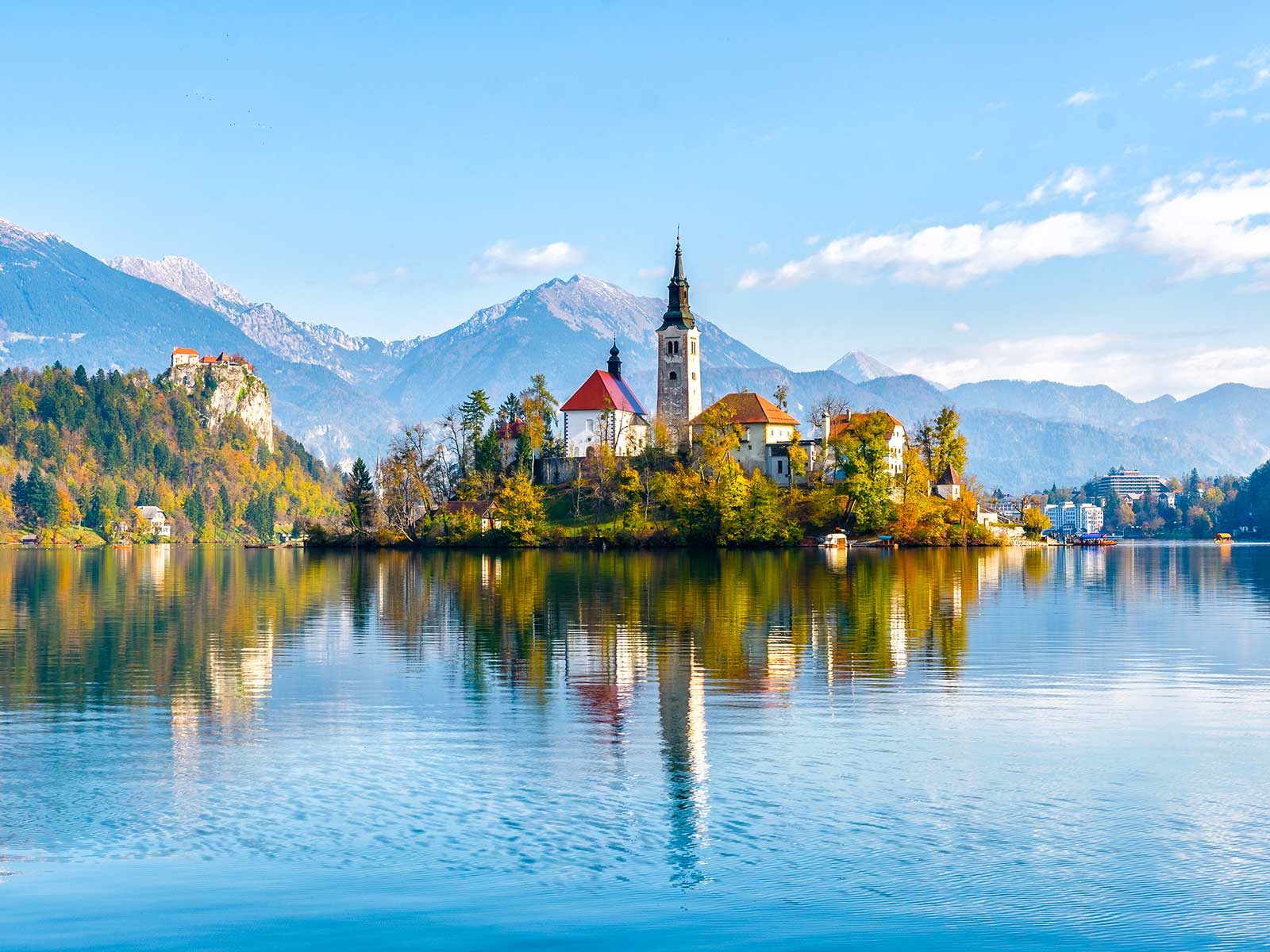
Slovenia, a land of emerald rivers and Alpine peaks, boasts a history as rich and varied as its landscapes. From ancient settlements to its vibrant modern independence, understanding Slovenia's past deepens appreciation for its unique culture and resilient spirit.
This compact nation, often overshadowed by its larger neighbors, has carved out its identity through centuries of foreign rule, cultural preservation, and a determined pursuit of self-determination. Join us on a journey through time to uncover the fascinating story of Slovenia.
Ancient Roots and Roman Rule
The story of human settlement in the territory of modern Slovenia stretches back to the Stone Age. Evidence suggests the presence of Neanderthals, with the Divje Babe Flute, discovered near Cerkno, being one of the world's oldest musical instruments.
Later, various Illyrian and Celtic tribes inhabited the region. By the 1st century BC, the Roman Empire began its expansion into the area, incorporating it into provinces like Noricum, Pannonia, and Venetia et Histria. The Romans established significant settlements, leaving an indelible mark on the landscape and culture.
- Poetovio (modern Ptuj):One of the most important Roman cities in the region, serving as a military stronghold and a bustling trading hub.
- Celeia (modern Celje):Another key Roman settlement, known for its strategic location and administrative importance.
- Emona (modern Ljubljana City Center):Founded as a Roman military outpost and later a civilian town, Emona was a significant urban center.
Roman influence brought roads, architecture, administrative structures, and the Latin language, shaping the region for centuries until the decline of the Western Roman Empire in the 5th century AD.
Arrival of the Slavs and Carantania
Following the collapse of Roman authority, various Germanic tribes passed through or settled in the area. However, the most significant demographic shift occurred in the 6th century with the arrival of the early Slavs. These ancestors of modern Slovenians settled the Alpine, Pannonian, and Adriatic regions, establishing distinct communities.
By the 7th century, the first proto-Slovene political entity emerged: the Principality of Carantania. Located primarily in present-day Carinthia (Austria) and parts of Slovenia, Carantania was a relatively independent Slavic state. It played a crucial role in shaping the early Slovenian ethnic and linguistic identity.
Did you know?The Dukes' Chair(Knežji kamen), a stone seat near Gosposvete (Maria Saal) in Austria, was used for the inauguration of Carantanian princes and later Carinthian dukes, symbolizing an ancient tradition of popular sovereignty.
Facing pressure from the Avars and later the Franks, Carantania eventually sought protection from the Franks in the mid-8th century, gradually losing its independence and becoming integrated into the Carolingian Empire.
Medieval Times and Habsburg Dominance
From the 9th century onwards, the Slovenian lands became part of the Frankish Empire, and Christianity was firmly established. Over the subsequent centuries, the region was fragmented into various feudal lordships and duchies within the Holy Roman Empire, including Carinthia, Styria, Carniola, and Gorizia.
The 13th century marked the beginning of a long period of Habsburg rule. By the end of the Middle Ages, most of the Slovenian-inhabited territories fell under the control of the Austrian Habsburg monarchy. This period, lasting for over 600 years, profoundly shaped Slovenia's political, economic, and cultural development.
During these centuries, Slovenian lands were often on the front lines of conflicts, particularly against the Ottoman Empire. Fortified castles, like the dramatic Predjama Castle, stand as testament to these turbulent times. Coastal towns like Piran developed strong ties with the Venetian Republic, evidenced by its distinct architecture and cultural influences.
Under Austrian Rule: Enlightenment and Nationalism
The Habsburg era saw the gradual development of a distinct Slovenian national consciousness. While German remained the language of administration and culture for the elite, the Slovenian language was preserved and nurtured, especially through the efforts of Protestant reformers in the 16th century and later by Enlightenment thinkers.
The late 18th and 19th centuries were pivotal. The brief period of the Illyrian Provinces (1809-1813) under Napoleon's French Empire, though short-lived, fostered a sense of unity among South Slavs and elevated the Slovenian language, albeit temporarily. This period ignited a flame of national awakening.
The Slovenian National Revival gained momentum throughout the 19th century, with poets like France Prešeren and linguists like Jernej Kopitar championing the Slovenian language and culture. Educational and cultural societies flourished, laying the groundwork for future political demands for greater autonomy within the Austro-Hungarian Empire.
The 20th Century: Wars and Yugoslavia
The outbreak of World War I brought immense suffering to the Slovenian lands, particularly along the Isonzo Front (Soška fronta), where brutal battles were fought between Austro-Hungarian and Italian forces. After the collapse of Austria-Hungary in 1918, Slovenians, along with Croats and Serbs, formed the State of Slovenes, Croats and Serbs, which soon joined with the Kingdom of Serbia to create the Kingdom of Serbs, Croats and Slovenes (later renamed the Kingdom of Yugoslavia).
During the interwar period, Slovenia experienced economic and cultural growth, but also political tensions within the centralized Yugoslav state. World War II brought another devastating period, with Slovenia being partitioned and annexed by Fascist Italy, Nazi Germany, and Hungary. A strong resistance movement, the Slovenian Partisans, emerged, playing a vital role in the Allied victory.
After World War II, Slovenia became one of the six constituent republics of the Socialist Federal Republic of Yugoslavia under the leadership of Josip Broz Tito. While part of a communist federation, Slovenia enjoyed a relatively higher standard of living and greater economic autonomy compared to other Yugoslav republics, fostering a distinct identity and cultural preservation.
Independence and Modern Slovenia
As Yugoslavia began to unravel in the late 1980s, Slovenia, along with Croatia, pushed for greater autonomy and then full independence. A referendum in December 1990 showed overwhelming support for sovereignty. On June 25, 1991, Slovenia declared its independence.
This declaration led to the Ten-Day War (Slovenian War of Independence) as the Yugoslav People's Army attempted to prevent secession. Slovenia's well-organized Territorial Defence forces successfully resisted, leading to a swift and relatively low-casualty conflict that secured its independence. This pivotal moment solidified Slovenia's place as a sovereign nation.
Following independence, Slovenia embarked on a path of democratic and economic reform. It successfully transitioned to a market economy and became a leading candidate for European integration. In 2004, Slovenia joined the European Union and NATO, marking its full integration into the Euro-Atlantic community. In 2007, it adopted the Euro as its currency.
Slovenia Today: A European Gem
Today, Slovenia stands as a vibrant, prosperous, and peaceful parliamentary republic. Its rich history is visible in its charming cities and towns, from the Roman ruins in Ptuj to the medieval castles near Lake Bled and the elegant architecture of Ljubljana City Center.
The nation's commitment to sustainability and its stunning natural beauty, including the breathtaking Triglav National Park, the world-renowned Postojna Cave and Škocjan Caves, and the ski resorts of Kranjska Gora, make it a premier destination for travelers. Its journey from ancient settlements to a modern European nation is a testament to its enduring spirit and unique cultural identity.