
The Rich History of Slovakia: From Ancient Roots to Modern Nation
Slovakia, a landlocked gem in Central Europe, boasts a history as rich and diverse as its landscapes. From ancient settlements to the establishment of a modern, independent state, its story is a compelling narrative of resilience, cultural influence, and the enduring spirit of its people.
Ancient Roots: From Mammoth Hunters to Celtic Strongholds
The story of human habitation in Slovakia stretches back to the Paleolithic era. Archaeological finds, such as the famous Venus of Moravany and evidence of Neanderthal presence, indicate early human activity. As millennia passed, various cultures left their mark, including the Celts, who established sophisticated oppida (fortified settlements) and influenced early trade and craftsmanship.
The Roman Empire's reach also extended to the region, particularly along the Danube River, which formed part of the Limes Romanus. Roman garrisons and trading posts like Gerulata (near modern Bratislava) and the inscription at Laugaricio (present-day Trenčín) attest to their presence and interactions with local Germanic tribes. However, it was the arrival of the Slavic tribes in the 5th and 6th centuries AD that truly laid the linguistic and cultural foundations for modern Slovakia.
The Great Moravian Empire: Birthplace of Slovak Identity
The 9th century marked a pivotal period with the emergence of the Great Moravian Empire, a powerful West Slavic state that encompassed much of modern-day Slovakia and the Czech Republic. Under princes like Mojmír I, Rastislav, and Svätopluk, Great Moravia flourished, becoming a significant political and cultural center in Central Europe.
A defining moment for Slovak identity was the mission of Saints Cyril and Methodius in 863 AD. Invited by Prince Rastislav, these Byzantine brothers introduced Christianity in a language understandable to the Slavs, developing the Glagolitic script (the precursor to Cyrillic) and translating liturgical texts into Old Church Slavonic. Their work fostered literacy and profoundly shaped the cultural and religious landscape of the region, leaving an indelible legacy that resonates even today.
Did you know?Saints Cyril and Methodius are revered as patron saints of Europe, recognized for their immense contribution to Slavic culture and literacy.
Despite its prominence, Great Moravia eventually succumbed to external pressures, including Magyar invasions, leading to its decline around 907 AD.
A Millennium Under the Crown of Hungary (10th Century – 1918)
Following the fall of Great Moravia, the territory of present-day Slovakia was gradually incorporated into the emerging Kingdom of Hungary. For nearly a thousand years, Slovakia, often referred to as "Upper Hungary," remained an integral part of the Hungarian realm. This long period of shared history left a profound impact on Slovakia's architecture, legal system, and social structures.
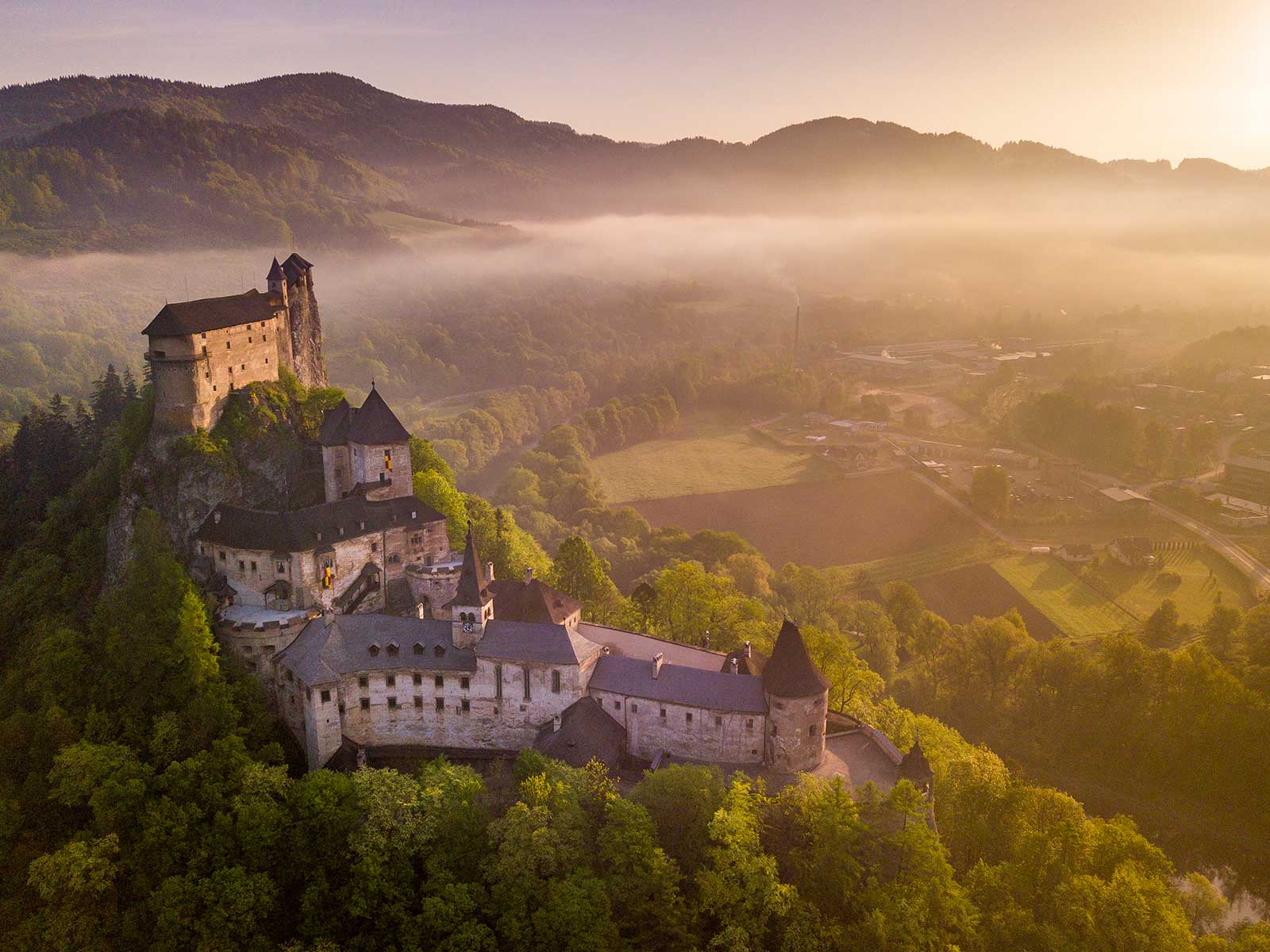
Medieval Slovakia saw the development of numerous towns, often boosted by mining for precious metals and strategic trade routes. Iconic fortifications like Spiš Castle, one of the largest castle complexes in Central Europe and a UNESCO World Heritage site, stand as enduring testaments to this era. Cities like Bratislava (then Pressburg/Pozsony) and Košice became vital centers. Bratislava served as the capital of the Kingdom of Hungary for nearly 250 years during the Ottoman occupation of Buda, with Hungarian kings crowned in St. Martin's Cathedral and royal administration housed nearby, perhaps even influencing structures like the Bratislava Primatial Palace. The impressive Cathedral of St. Elizabeth in Košice also showcases the grandeur of this period.
The region experienced periods of prosperity, but also challenges, including the devastating Mongol invasions in the 13th century, which led to subsequent German colonization to repopulate and rebuild. Later, the Reformation and Counter-Reformation brought religious strife, and the centuries of Habsburg rule saw Slovakia become a crucial defensive frontier against the Ottoman Empire.
The 19th century brought the Slovak National Revival, a crucial movement where intellectuals like Ľudovít Štúr codified the modern Slovak language, fostering a distinct national consciousness. Efforts were made to preserve unique cultural traditions, exemplified by villages like Čičmany Ethno Village with its distinctive painted wooden houses.
The Tumultuous 20th Century: From Czechoslovakia to Independence
The First Czechoslovak Republic (1918-1938)
The end of World War I and the collapse of the Austro-Hungarian Empire presented a new opportunity for Slovaks. In 1918, they united with the Czechs to form the independent democratic state of Czechoslovakia. This period marked a significant shift, allowing for the development of Slovak culture, education, and industry after centuries of Hungarian dominance.
World War II and the Slovak State (1939-1945)
The peace was short-lived. Following the Munich Agreement in 1938 and the subsequent dismemberment of Czechoslovakia, a quasi-independent First Slovak Republic was established in 1939, albeit as a satellite state of Nazi Germany. This dark chapter saw persecution and deportations. However, resistance movements grew, culminating in the significant Slovak National Uprising in August 1944, a powerful act of defiance against fascism.
The Communist Era (1948-1989)
After World War II, Czechoslovakia was restored, but soon fell under Soviet influence, leading to the establishment of a communist regime in 1948. Decades of centrally planned economy, nationalization, and suppression of dissent followed. The Prague Spring in 1968, an attempt to liberalize communism, was brutally crushed by Warsaw Pact forces, leading to a period of "Normalization."
The Velvet Revolution and Birth of Modern Slovakia (1989-1993)
The late 1980s saw the decline of communist regimes across Eastern Europe. In November 1989, the peaceful Velvet Revolution brought an end to communist rule in Czechoslovakia. The subsequent years were marked by political transformation and, ultimately, the peaceful dissolution of Czechoslovakia into two independent states. On January 1, 1993, the Slovak Republic was officially established, marking the first time in history that Slovaks had their own fully sovereign nation.
Modern Slovakia: A Thriving European Nation
Since gaining independence, Slovakia has rapidly integrated into the international community. In 2004, it joined both the European Union and NATO, solidifying its place within the European family of nations. The adoption of the Euro in 2009 further underscored its economic stability and European alignment. Today, Slovakia is a dynamic country with a growing economy, a vibrant cultural scene, and a strong sense of national identity.
Visitors to modern Slovakia can explore its rich past through its countless castles, museums, and historical towns. Yet, they can also experience its natural beauty, from the majestic peaks of the High Tatras (Vysoké Tatry), home to stunning glacial lakes like Štrbské Pleso and popular ski resorts like Jasna Ski Resort, to the dramatic gorges of Slovak Paradise National Park. Natural wonders like Domica Cave offer a glimpse into the country's geological heritage, while wellness centers such as the Spa island in Pieštany provide modern relaxation. Cultural attractions like the Walkway canopy Bachledka blend nature with innovative design. The capital, Bratislava, showcases both ancient landmarks like Bratislava Castle and modern marvels like the UFO Observation Deck.
Slovakia's journey from ancient settlements to an independent European nation is a compelling testament to its enduring spirit. Its history, marked by external influences, periods of subjugation, and powerful moments of national awakening, has forged a unique cultural identity that continues to thrive.