
Slovakia Visa Requirements: A Traveler's Guide for International Visitors
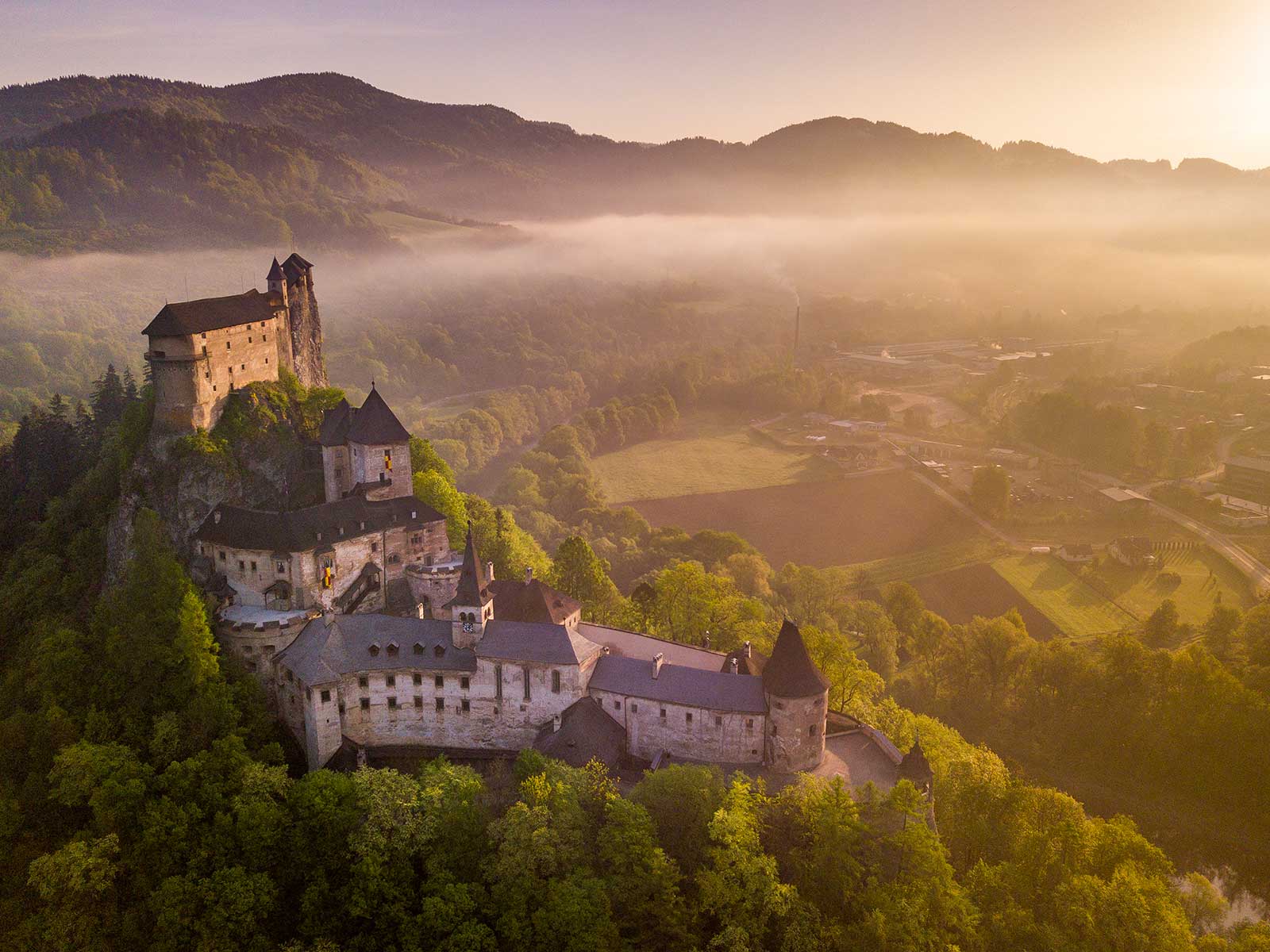
Planning an unforgettable journey to the heart of Europe? Slovakia, a land of majestic mountains, ancient castles, and vibrant cities, offers a unique blend of history and natural beauty. To ensure a smooth and stress-free trip, understanding the Slovakia visa requirements is your first crucial step.
Understanding the Schengen Area and Slovakia
Slovakia is a proud member of the Schengen Area, a group of 27 European countries that have abolished passport and all other types of border control at their mutual borders. This means that once you enter Slovakia (or any other Schengen country) with a valid visa, you can travel freely within the entire Schengen Area for the duration of your visa.
For most international visitors, the key rule to remember is the90/180-day rule. This permits non-EU/EEA/Swiss citizens to stay in the Schengen Area for a maximum of 90 days within any 180-day period. This period starts from your first entry into any Schengen country.
Travel Tip:Always check the exact number of days remaining on your 90-day allowance, especially if you have visited other Schengen countries recently. Online calculators can help track your stays.
Who Needs a Visa for Slovakia?
Whether you need a visa to enter Slovakia depends primarily on your nationality and the purpose and duration of your visit.
Visa-Exempt Countries
Citizens of certain countries are permitted to enter Slovakia and the entire Schengen Area for short stays (up to 90 days within any 180-day period) without needing a Schengen visa. This includes:
- European Union (EU), European Economic Area (EEA), and Swiss Citizens:These individuals have the right to free movement and can enter Slovakia with a valid ID card or passport.
- Citizens of Countries with Visa-Waiver Agreements:A significant number of countries worldwide have agreements with the Schengen Area that exempt their citizens from short-stay visa requirements. This list typically includes, but is not limited to, the United States, Canada, Australia, New Zealand, the United Kingdom, Japan, South Korea, Brazil, Mexico, and many more.
Even if you are visa-exempt, you must still possess a valid passport that is valid for at least three months beyond your intended departure date from the Schengen Area and has at least two blank pages.
Visa-Required Countries
If your country is not on the visa-exempt list, you will need to apply for a Schengen visa (Type C) to enter Slovakia for tourism, business, or other short-stay purposes. It is crucial to verify the specific visa requirements for your nationality by consulting the official website of the Ministry of Foreign and European Affairs of the Slovak Republic or your nearest Slovak embassy or consulate.
Types of Schengen Visas (Short-Stay)
For most international visitors planning a trip to Slovakia for tourism or short business, the Schengen Short-Stay Visa (Type C) is the most relevant category.
Type C (Short-Stay) Schengen Visa
This visa allows you to stay in the Schengen Area for up to 90 days within any 180-day period. It is suitable for purposes such as:
- Tourism:Exploring Slovakia's beautiful cities like Bratislava, visiting historical sites such as Bojnice Castle, or hiking in the High Tatras.
- Business Trips:Attending conferences, meetings, or negotiating contracts.
- Visiting Family or Friends:Short visits to relatives or acquaintances residing in Slovakia.
- Short-Term Study or Training:Courses lasting less than 90 days.
- Medical Treatment:If you are seeking medical care in Slovakia for a short duration.
A Type C visa can be issued for single-entry, double-entry, or multiple-entry, depending on your travel plans and the discretion of the issuing authority. A multiple-entry visa is ideal if you plan to enter and exit the Schengen Area more than twice within its validity period.
Airport Transit Visa (Type A)
Citizens of certain countries may require an Airport Transit Visa (Type A) if they are transiting through a Schengen airport without entering the Schengen Area itself. This is a specific requirement for limited nationalities; always check if it applies to you.
Applying for a Schengen Visa (Type C): Step-by-Step Guide
The application process for a Schengen visa involves several steps. Careful preparation is key to a successful application.
- Determine Your Need:Confirm whether your nationality requires a Schengen visa for Slovakia.
- Choose the Correct Visa Type:Select the Short-Stay (Type C) visa for tourism, business, or family visits under 90 days.
- Gather Required Documents:This is the most critical step. Common documents typically include:
- Schengen Visa Application Form:Fully completed, dated, and signed.
- Valid Passport:Must be valid for at least three months beyond your intended departure from the Schengen Area and contain at least two blank pages.
- Passport-Sized Photos:Recent, in colour, meeting Schengen specifications.
- Travel Itinerary:Flight reservations (round trip) and detailed plans for your stay.
- Proof of Accommodation:Hotel bookings, rental agreements, or an invitation letter from a host in Slovakia.
- Proof of Sufficient Funds:Bank statements, credit card statements, or a sponsorship letter from a host to cover your expenses during your stay.
- Travel Medical Insurance:Must be valid throughout the entire Schengen Area, cover medical emergencies and repatriation, and have a minimum coverage.
- Purpose of Visit Documentation:Depending on your reason for travel (e.g., invitation letter for business, conference registration, letter from a medical institution).
- Proof of Onward/Return Travel:Confirmation of your departure from the Schengen Area.
- Proof of Civil Status:(e.g., marriage certificate, birth certificate of children) if applicable.
- Schedule an Appointment:Contact the Slovak embassy, consulate, or an accredited visa application centre in your country of residence to schedule an appointment.
- Attend the Interview and Submit Biometrics:During your appointment, you will submit your application, provide your fingerprints (if you haven't done so for a Schengen visa within the last 59 months), and have your photo taken. Be prepared to answer questions about your travel plans.
- Pay the Visa Fee:A non-refundable visa fee is required at the time of application. Specific fees vary and are subject to change, so always check the current rates.
- Await Decision:Processing times can vary, typically ranging from 15 to 45 days, but it's advisable to apply well in advance of your planned travel date.
- Collect Your Passport:Once your application is processed, you will be notified to collect your passport. If your visa is granted, carefully check all the details on the visa sticker for accuracy.
Long-Stay Visas and Other Permits (National Visas - Type D)
If you plan to stay in Slovakia for longer than 90 days, for purposes such as work, long-term study, family reunification, or scientific research, you will need to apply for a National Visa (Type D) or a residence permit. The application process for these permits is more extensive and is handled directly by Slovak authorities, often requiring an application to the Foreign Police Department in Slovakia. This article focuses on short-stay visits, but it's important to be aware of the distinction.
Important Considerations for All Travelers
- Passport Validity:Always ensure your passport is valid for at least three months beyond your intended departure date from the Schengen Area.
- Travel Medical Insurance:Even if you are visa-exempt, comprehensive travel medical insurance is highly recommended for all visitors to cover unforeseen medical emergencies or travel disruptions.
- Proof of Funds:Be prepared to demonstrate you have sufficient financial means to support yourself during your stay.
- Onward/Return Ticket:Always have proof of your planned departure from the Schengen Area.
- Customs and Border Control:Upon arrival, border officials may ask questions about your visit, accommodation, and financial means. Be prepared to provide clear and concise answers.
Exploring Slovakia with Your Visa
Once your visa is secured, the enchanting landscapes and rich history of Slovakia await! Begin your adventure in the vibrant capital of Bratislava, where you can explore the majestic Bratislava Castle, wander through the historic Old Town, or enjoy panoramic views from the UFO Observation Deck. Don't miss the beautiful Bratislava Primatial Palace, a true architectural gem.
Venture eastward to marvel at the grandeur of Spiš Castle, one of Europe's largest castle complexes and a UNESCO World Heritage site. For nature lovers,Slovak Paradise National Park offers exhilarating hiking trails with ladders and bridges, while the High Tatras provide breathtaking alpine scenery, perfect for skiing at Jasna Ski Resort or enjoying the serene beauty of Štrbské Pleso. Consider a walk along the Walkway canopy Bachledka for unique forest perspectives.
Discover cultural treasures like the unique painted houses of Čičmany Ethno Village or the impressive Cathedral of St. Elizabeth in Košice. For a touch of relaxation, the Spa island in Pieštany offers rejuvenating wellness experiences, and the geological wonders of Domica Cave are truly captivating.
Conclusion
Navigating Slovakia's visa requirements doesn't have to be daunting. By understanding the rules, gathering the necessary documents, and applying well in advance, you can ensure a smooth entry into this captivating Central European nation. With your visa in hand, you're ready to explore Slovakia's diverse attractions, from its bustling cities to its tranquil mountain peaks. Safe travels!