
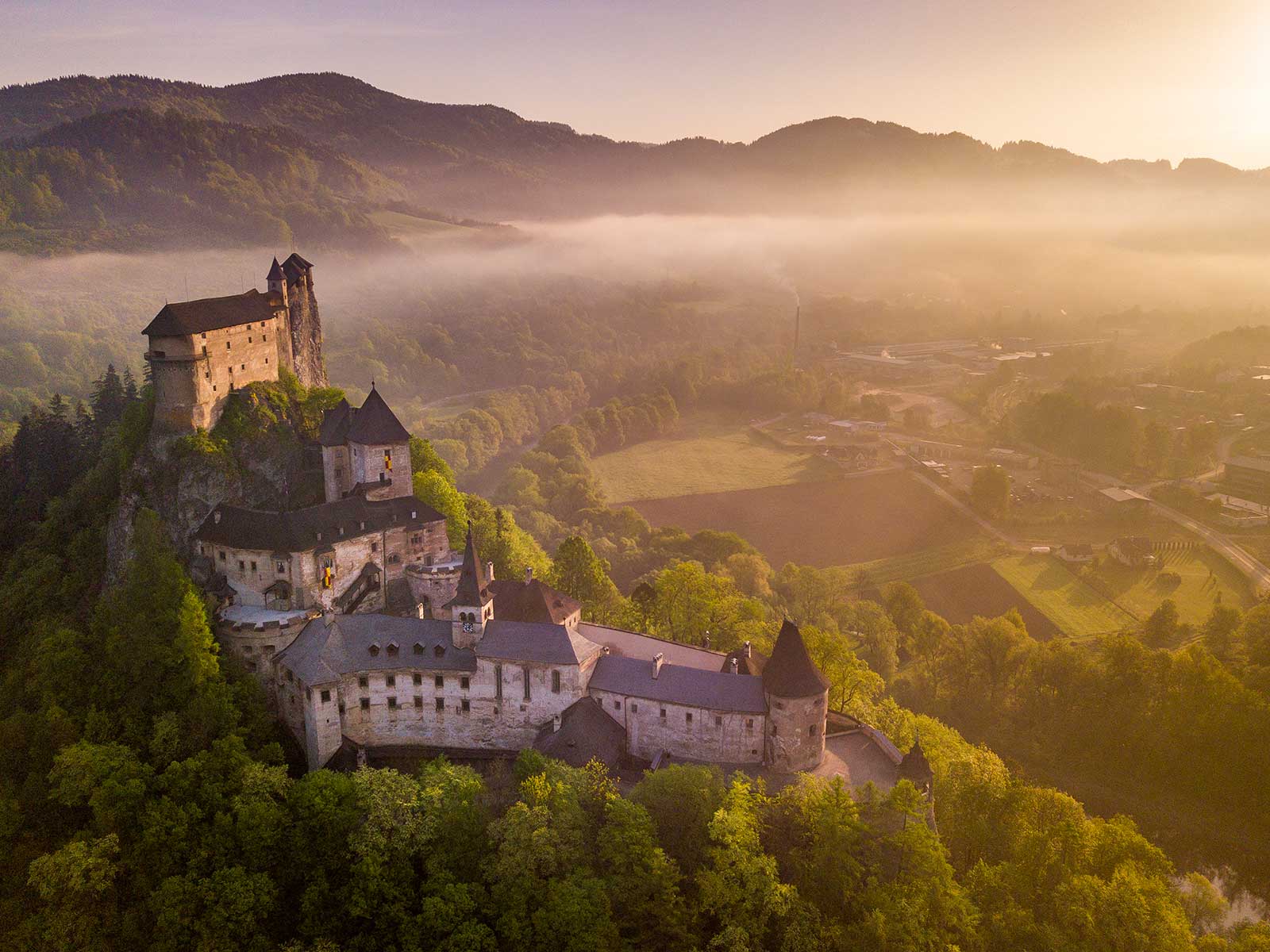
Slovak Culture & Etiquette: Essential Tips for Travelers
Slovakia, a gem in the heart of Europe, offers a captivating blend of rich history, stunning natural beauty, and warm hospitality. To truly immerse yourself in the local experience and ensure a respectful visit, understanding Slovak culture and etiquette is paramount. This guide provides essential tips to help you navigate social customs with confidence and appreciation.
Understanding Slovakian Identity
Slovaks are a proud people with a strong sense of national identity, shaped by centuries of diverse influences and a relatively recent independence. Having formed an independent republic in 1993 after the dissolution of Czechoslovakia, there's a deep reverence for their language, folk traditions, and historical legacy. This pride is often expressed through a quiet resilience and a genuine warmth towards visitors who show interest in their heritage.
Greetings and Social Interactions
First impressions matter, and a correct greeting can set a positive tone for any interaction.
Formal vs. Informal
- For formal situations or when meeting someone for the first time, use"Dobrý deň"(dob-ree dehn), meaning "good day."
- Among friends or younger people,"Ahoj"(ah-hoy) is common, similar to "hi."
- When saying goodbye, use"Dovidenia"(doh-vee-den-yah) for formal settings and"Čau"(chow) for informal ones.
Handshakes and Eye Contact
A firm handshake is the standard greeting when meeting someone, men and women alike. Maintain direct eye contact during the handshake as a sign of sincerity and respect. When introduced to a group, it's polite to shake hands with each person individually.
Addressing People
When addressing adults, especially those older or in positions of authority, use their professional title (if known) or "Pán" (Mr.) for men and "Pani" (Mrs./Ms.) for women, followed by their surname. First names are generally reserved for close friends and family.
Personal Space
Slovaks generally appreciate personal space. Avoid standing too close during conversations, and refrain from overly demonstrative gestures or touching, especially with new acquaintances.
Dining Etiquette: A Taste of Slovakia
Slovak cuisine is hearty and delicious, often featuring rich soups, roasted meats, and potato-based dishes. Dining is a social affair, and knowing a few etiquette tips will enhance your experience.
- Arrival:Wait to be seated in restaurants unless indicated otherwise.
- Toasting:If someone proposes a toast, respond with"Na zdravie!"(nah zdrah-vyeh) – "To your health!" Always make eye contact with everyone you are toasting before and after sipping your drink.
- Eating Style:Slovaks typically eat in the Continental style, with the fork remaining in the left hand and the knife in the right. Keep both hands visible on the table, not in your lap.
- Finishing a Meal:It’s polite to finish everything on your plate, but don't feel obligated to overeat if portions are generous. Leaving a small amount of food isn't considered rude.
- Tipping:Tipping is customary in restaurants and for services. A tip of 5-10% is generally appreciated if you are satisfied with the service. You can round up the bill or tell the waiter the total amount you wish to pay.
Slovak hospitality often shines brightest around the dinner table. If invited to a local's home, expect an abundance of food and drink, as hosts take great pride in feeding their guests well.
Public Behavior and Respect
Public conduct in Slovakia is generally reserved and respectful.
- Volume:Keep your voice down in public spaces, especially on public transport or in quiet areas.
- Queuing:Respect queues and wait your turn patiently. Cutting in line is considered very rude.
- Public Transport:It is customary to offer your seat to elderly people, pregnant women, or those with small children.
- Smoking:Slovakia has strict anti-smoking laws. Smoking is prohibited in all indoor public places, including restaurants and bars, as well as on public transport stops and children's playgrounds. Look for designated smoking areas if you need to smoke.
- Dress Code:While casual attire is generally acceptable for daily wear, opt for neat, conservative clothing when visiting churches, official buildings, or attending cultural events. For instance, when visiting the impressive Cathedral of St. Elizabeth in Košice, ensure shoulders and knees are covered.
- Photography:Always ask permission before taking photos of individuals. Be mindful of signs indicating "no photography," especially in museums or private establishments.
Visiting Homes and Social Gatherings
An invitation to a Slovak home is a true sign of warmth and friendship.
- Gifts:It's polite to bring a small gift for your hosts, such as flowers (always an odd number, avoiding chrysanthemums and lilies), good quality chocolate, or a bottle of wine.
- Shoes:Always remove your shoes upon entering a private home. Hosts will often offer slippers.
- Punctuality:Aim to arrive on time or a few minutes late (no more than 10-15 minutes) for social gatherings. For business appointments, punctuality is expected.
- Conversation Topics:Safe topics include family, travel, culture, and positive observations about Slovakia. Avoid discussing politics, religion, or sensitive historical issues unless your hosts initiate the conversation and you feel comfortable.
Navigating Specific Cultural Contexts
Slovakia's rich tapestry of history and nature offers many opportunities for cultural engagement.
- Historical Sites:When exploring historical treasures like Spiš Castle or Bojnice Castle, show respect for the heritage by not touching artifacts and following guide instructions. Similarly, in Bratislava Castle or the Bratislava Primatial Palace, appreciate the preserved history.
- Folklore and Traditions:Slovak folk culture is vibrant. If you have the chance to visit places like the Čičmany Ethno Village, you'll witness unique architectural styles and traditional patterns. Embrace the opportunity to learn about traditional music and dance.
- Nature and Outdoors:Slovakia boasts incredible natural beauty, from the peaks of the High Tatras and Štrbské Pleso to the trails of Slovak Paradise National Park and the mystical Domica Cave. When exploring these areas, adhere to marked trails, respect wildlife, and leave no trace. This also applies to modern attractions like the Walkway canopy Bachledka or resorts like Jasna Ski Resort.
- Wellness:If visiting places like the Spa island in Pieštany, follow specific spa etiquette, which usually includes quiet behavior and respect for privacy.
Language Basics: A Little Goes a Long Way
While English is increasingly spoken in tourist areas and among younger generations, especially in cities like Bratislava (where you might even visit the UFO Observation Deck), making an effort to learn a few basic Slovak phrases will be greatly appreciated by locals. It shows respect for their culture and can open doors to more authentic interactions.
- "Prosím"(pro-seem) - Please / You're welcome
- "Ďakujem"(jah-koo-yem) - Thank you
- "Áno"(ah-noh) - Yes
- "Nie"(nee-eh) - No
- "Prepáčte"(pre-patch-teh) - Excuse me / Sorry
Key Takeaways for Travelers
Embracing Slovak culture and etiquette is about showing respect and an open mind. Be observant, be polite, and don't be afraid to ask if you're unsure. The Slovaks are generally understanding and appreciate genuine efforts to connect with their way of life. By following these essential tips, you're sure to have a more enriching, respectful, and memorable journey through this beautiful country.