
Driving in Slovakia: Road Rules, Tips & Essential Information
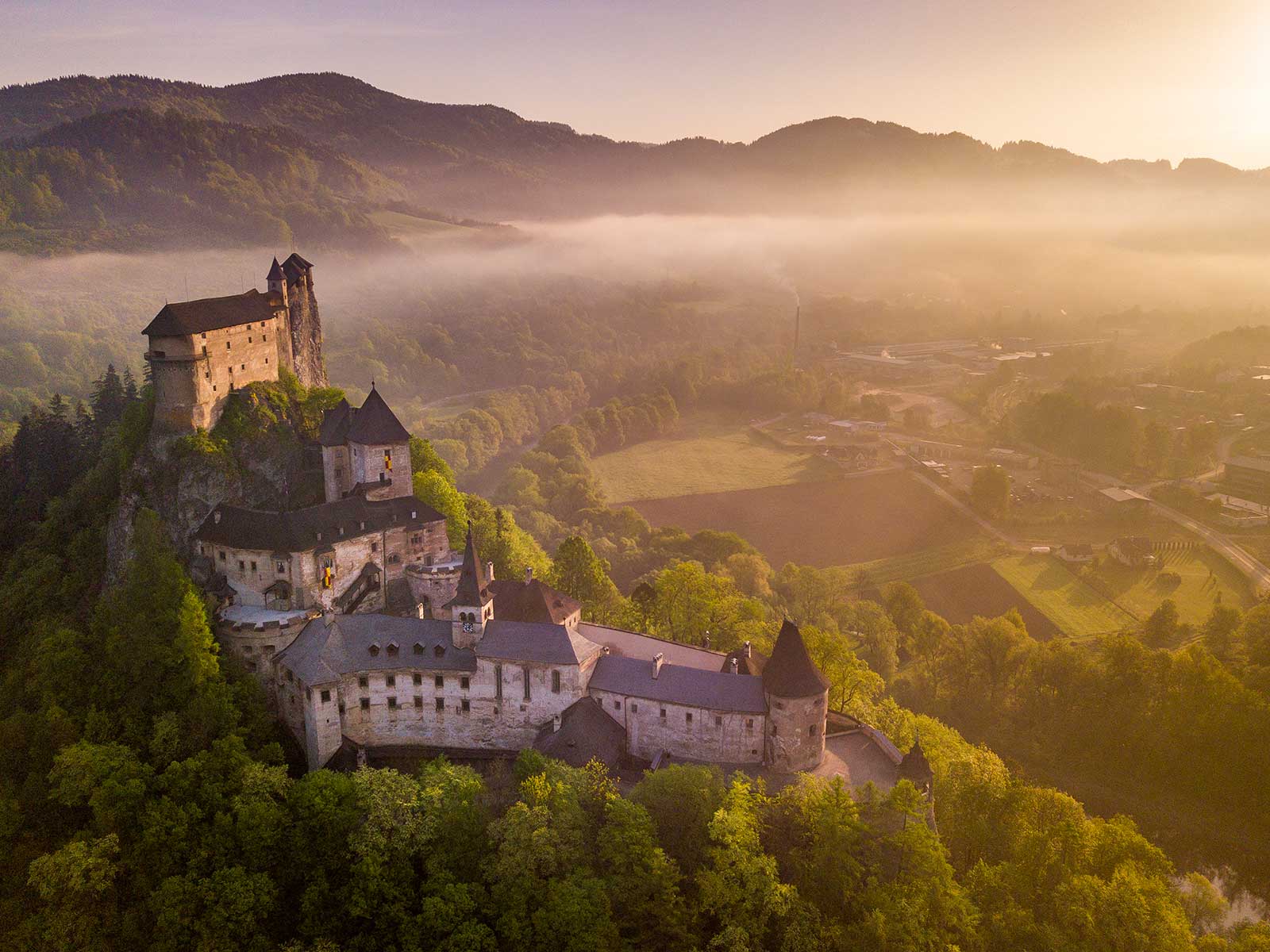
Embarking on a road trip through Slovakia offers unparalleled freedom to discover its majestic castles, ancient villages, and breathtaking national parks at your own pace. With a clear understanding of local road rules and practical tips, your journey across this captivating Central European gem will be both smooth and memorable.
Why Drive in Slovakia?
Driving in Slovakia provides an incredible opportunity to explore beyond the main cities. From the dramatic peaks of the High Tatras to the serene beauty of the Slovak Paradise National Park, a car allows you to reach hidden gems, charming thermal spas like the Spa island in Pieštany, and historic sites like Spiš Castle that might otherwise be inaccessible by public transport. It's the ultimate way to craft your own adventure and immerse yourself in the country's diverse landscapes and rich culture.
Essential Documents & Vehicle Requirements
Before you even turn the key, ensure you have all necessary documentation for yourself and your vehicle.
Driver's License & ID
- EU/EEA Citizens:A valid national driving license is sufficient.
- Non-EU/EEA Citizens:An International Driving Permit (IDP) is highly recommended and often required, alongside your national license.
- Always carry your passport or national ID card.
Vehicle Documents
- Registration Document:The vehicle's registration certificate.
- Insurance (Green Card):Proof of third-party liability insurance, commonly known as a Green Card. Check with your insurer if Slovakia is covered.
- Rental Agreement:If driving a rental car, keep your rental agreement handy.
Mandatory Equipment
Slovak law mandates several items to be carried in your vehicle:
- Reflective Vest:A reflective vest must be carried inside the passenger compartment (not the boot) and worn by anyone exiting the vehicle on the roadside in an emergency.
- First-Aid Kit:A properly stocked first-aid kit.
- Warning Triangle:To be used in case of a breakdown or accident.
- Spare Wheel/Tyre Repair Kit:Or run-flat tires.
- Winter Tires:Mandatory from November 1st to March 31st, regardless of weather conditions, for vehicles under 3.5 tonnes if there is continuous snow, ice, or black ice on the road. For vehicles over 3.5 tonnes, they are mandatory on at least one driving axle during this period, regardless of conditions.
Did You Know?Slovakia's strict vehicle equipment rules are designed for safety. Always double-check your rental car has all the mandatory items before setting off.
Road Rules You Must Know
Understanding local traffic laws is crucial for a safe and penalty-free journey.
Vignette System (Tolls)
Slovakia operates a digital vignette system for all motorways (D) and expressways (R). This is mandatory for all vehicles up to 3.5 tonnes. You can purchase vignettes online via the official eznamka website, at border crossings, or petrol stations. Ensure you purchase one before entering a motorway, as fines for non-compliance are hefty.
Speed Limits
Unless otherwise indicated by road signs:
- Urban Areas:50 km/h (31 mph)
- Outside Urban Areas:90 km/h (56 mph)
- Motorways & Expressways:130 km/h (81 mph) for cars, 90 km/h (56 mph) for cars with trailers.
Alcohol Limit
Slovakia has azero-tolerance policyfor alcohol consumption while driving. Any detectable amount of alcohol in your system is illegal and subject to severe penalties.
Headlights
Headlights must be switched onat all times, day or night, throughout the year.
Seatbelts
Seatbelts are mandatory for all occupants, both front and rear.
Mobile Phones
Using a handheld mobile phone while driving is strictly prohibited. Hands-free systems are permitted.
Priority Rules
- Slovaks drive on theright-hand sideof the road.
- Give way to traffic approaching from the right at unmarked intersections (unless otherwise signed).
- Trams always have priority.
Parking
Parking regulations are clearly marked. In cities like Bratislava, Košice (near Cathedral of St. Elizabeth), and other urban centers, parking is often paid, usually via parking meters or mobile apps. Look for blue zone signs, 'P' signs, and avoid parking in areas marked with a crossed-out 'P' or a red circle with a blue background and red diagonal line, indicating no stopping or no parking.
Navigating Slovak Roads
Slovakia's road network is generally well-maintained, especially motorways and main routes. However, conditions can vary, particularly on secondary roads in rural or mountainous regions.
Road Conditions
Expect good quality on major roads. Smaller roads, especially those leading to remote attractions like Domica Cave or the Čičmany Ethno Village, might be narrower or less smooth. Be particularly cautious when driving in mountainous areas, such as around the High Tatras or on the way to Jasna Ski Resort, where winding roads and sharp turns are common.
Signage
Road signs follow international standards and are generally clear. Destinations are typically signposted in Slovak. GPS navigation is highly recommended.
Fuel Stations
Petrol stations are widely available across Slovakia, especially along major roads and in towns. Most stations offer both petrol (benzín) and diesel (nafta) and accept international credit cards.
Tips for a Smooth Journey
- Plan Your Route:Use a reliable GPS or mapping app. Consider breaking up long drives, especially if exploring scenic routes like those leading to Walkway canopy Bachledka.
- Wildlife Awareness:Be vigilant, especially at dawn and dusk, in rural and forested areas. Deer and wild boar can be a hazard.
- Emergency Numbers:The general emergency number is112for police, ambulance, and fire services.
- Rental Car Checks:Before driving off, inspect your rental car for any existing damage and ensure it contains all mandatory equipment. Understand their breakdown policy.
- Border Crossings:As a Schengen Area member, border checks with neighboring EU countries are usually minimal or non-existent, but always carry your identification.
- City Driving:Driving in cities like Bratislava can be challenging due to traffic and limited parking. Consider parking at a P+R (Park and Ride) facility and using public transport.
What to Do in Case of an Accident or Breakdown
While rare, knowing what to do in an emergency can save you stress.
- Ensure Safety:Move your vehicle to a safe location if possible. Turn on hazard lights and place the warning triangle at an appropriate distance (50m urban, 100m rural/motorway). Put on your reflective vest.
- Call Emergency Services:Dial112. Report the location and nature of the incident.
- Document Everything:Take photos of the scene, vehicles involved, and any damage. Exchange insurance information with other parties.
- Contact Rental Company/Insurance:Notify your rental agency (if applicable) and your insurance provider as soon as possible.
Exploring Slovakia by Car: Recommended Routes & Destinations
With your newfound knowledge, it's time to hit the road and experience Slovakia's wonders.
- Bratislava and Western Slovakia:Start in the capital, exploring attractions like Bratislava Castle,Bratislava Primatial Palace, and the UFO Observation Deck. Then head west to the tranquil Spa island in Pieštany for relaxation.
- Central Slovakia's Castles and Villages:Drive to the romantic Bojnice Castle, then venture to the unique painted houses of Čičmany Ethno Village. Continue towards the breathtaking High Tatras, stopping at picturesque spots like Štrbské Pleso or enjoying winter sports at Jasna Ski Resort. Don't miss the panoramic views from the Walkway canopy Bachledka.
- Eastern Slovakia's Medieval Charm and Nature:Discover the grandeur of Spiš Castle, one of Europe's largest castle complexes. Explore Košice and its stunning Cathedral of St. Elizabeth. For nature lovers, the rugged trails of Slovak Paradise National Park await, and delve underground into the fascinating Domica Cave.
Driving in Slovakia offers an unparalleled adventure, opening up a world of stunning landscapes, historic treasures, and vibrant culture. By familiarizing yourself with the road rules, preparing your vehicle, and keeping these tips in mind, you're set for an unforgettable journey through the heart of Central Europe. Safe travels!