
Bratislava vs. Vienna: Which Central European Capital Should You Visit?
Planning a Central European adventure often leads travelers to a delightful dilemma: the imperial grandeur of Vienna or the charming, compact allure of Bratislava? These two capitals, geographically close yet distinct in character, offer unique experiences that cater to different travel styles and interests.
Separated by just under 60 kilometers, Vienna, Austria, and Bratislava, Slovakia, share a rich historical tapestry, once intertwined under the Austro-Hungarian Empire. While Vienna is celebrated for its opulent palaces, classical music heritage, and sophisticated urban sprawl, Bratislava offers a more intimate, laid-back atmosphere, a burgeoning food scene, and a surprising depth of history within its pedestrian-friendly Old Town. This guide will help you decide which city best fits your travel aspirations, or perhaps inspire you to visit both.
Atmosphere and Vibe
Vienna: Imperial Elegance and Grandeur
Vienna exudes an air of timeless sophistication. Its wide boulevards, magnificent imperial buildings, and impeccably maintained parks speak of a glorious past. The pace here is generally refined, encouraging visitors to linger in coffee houses, attend world-class opera, or stroll through museum quarters. It’s a city that commands respect for its history and cultural achievements, feeling grand and expansive.
Bratislava: Compact Charm and Modern Buzz
Bratislava, in contrast, offers a more accessible and often more casual experience. Its Old Town is a maze of cobblestone streets, colorful buildings, and hidden courtyards, easily explored on foot. While it has its own share of historical grandeur, such as Bratislava Castle overlooking the Danube, the city feels more contemporary and dynamic. There's a youthful energy, particularly in its cafes, bars, and a burgeoning street art scene, blended with remnants of its communist past and vibrant modern developments. It's a city that feels like a friendly secret waiting to be discovered.
Historical and Cultural Richness
Vienna: A Symphony of History and Art
Vienna's cultural credentials are unparalleled. As the former seat of the Habsburg Empire, it boasts an incredible array of UNESCO World Heritage Sites, from the Schönbrunn Palace to the historic city center. Visitors can immerse themselves in the world of Mozart, Beethoven, and Strauss, explore the vast collections of the Hofburg Palace, or marvel at masterpieces in the Kunsthistorisches Museum. The city is a living museum of European history and classical arts.
Did You Know?Vienna is often considered the "City of Music" due to its rich musical heritage and the numerous famous composers who lived and worked there.
Bratislava: Layers of History in a Smaller Package
Bratislava, though smaller, has a deeply layered history that spans Roman settlements, Hungarian coronations, and periods under Habsburg rule, culminating in its role as the capital of modern Slovakia. Key historical sites include the iconic Bratislava Castle, the stunning Bratislava Primatial Palace, and St. Martin's Cathedral, where 11 Hungarian kings and 8 queens were crowned. The city also offers unique insights into its communist era and a vibrant contemporary art scene. While its museums are less extensive than Vienna's, they provide a fascinating glimpse into Slovak history and culture.
Architectural Marvels
Vienna: Imperial Grandeur and Art Nouveau
Vienna's architecture is dominated by imperial baroque and rococo styles, evident in its palaces, churches, and government buildings. The Ringstrasse, a grand boulevard encircling the city center, showcases a stunning collection of 19th-century public buildings, from the Austrian Parliament to the Vienna State Opera. Beyond this, you'll find elegant Art Nouveau structures, particularly by Otto Wagner and the Secession movement, adding another layer of artistic expression.
Bratislava: Medieval Charms and Soviet Remnants
Bratislava's Old Town is a delightful blend of Gothic, Baroque, and Renaissance architecture. Narrow alleys open onto charming squares, featuring highlights like Michael's Gate and the Old Town Hall. Outside the historic core, the city reveals its 20th-century story through functionalist architecture and remnants of Soviet-era design, creating a unique urban landscape. The most striking modern landmark is the UFO Observation Deck atop the SNP Bridge, offering panoramic views and a distinct, futuristic silhouette.
Culinary Scene
Vienna: Coffee House Culture and Schnitzel
Viennese cuisine is synonymous with hearty dishes like Wiener Schnitzel, Tafelspitz (boiled beef), and various sausages. The city's legendary coffee house culture is an experience in itself, offering a chance to savor exquisite pastries like Sachertorte and Apfelstrudel in elegant, historic settings. Dining in Vienna can range from traditional taverns (Heuriger) to Michelin-starred restaurants, providing a sophisticated gastronomic journey.
Bratislava: Traditional Flavors and Modern Twists
Slovak cuisine in Bratislava is comforting and flavorful, with staples like Bryndzové Halušky (potato dumplings with sheep cheese and bacon) and Kapustnica (sauerkraut soup). The city has seen a culinary renaissance, with an increasing number of trendy cafes, international restaurants, and craft beer pubs emerging alongside traditional establishments. It offers a fantastic opportunity to explore authentic Central European flavors at a generally more accessible price point.
Nightlife and Entertainment
Vienna: Classical Evenings and Elegant Bars
Vienna's nightlife leans towards sophistication. Evenings are often spent enjoying classical concerts, opera, or theater performances. The city has an excellent selection of elegant cocktail bars, wine taverns, and some nightclubs, but the focus remains on cultural enrichment and refined social gatherings.
Bratislava: Lively Pubs and Riverside Vibes
Bratislava offers a more vibrant and often more casual nightlife. The Old Town is packed with lively pubs, trendy bars, and dance clubs that stay open late. During warmer months, riverside bars along the Danube become popular spots. The city also hosts various music festivals and events throughout the year, catering to a younger and more energetic crowd.
Accessibility and Day Trips
Getting There and Around:
Both cities are well-connected by international airports and extensive train networks. The journey between Vienna and Bratislava is remarkably short, making a dual-city trip highly feasible. Regular trains and even Danube hydrofoils connect the two capitals, offering scenic travel options.
Day Trips from Vienna:
From Vienna, popular day trips include the picturesque Wachau Valley for wine tasting, the historic city of Salzburg, or even a quick hop to Budapest. Its central location makes it a great base for exploring further into Austria and neighboring countries.
Day Trips from Bratislava: Exploring Slovakia's Wonders
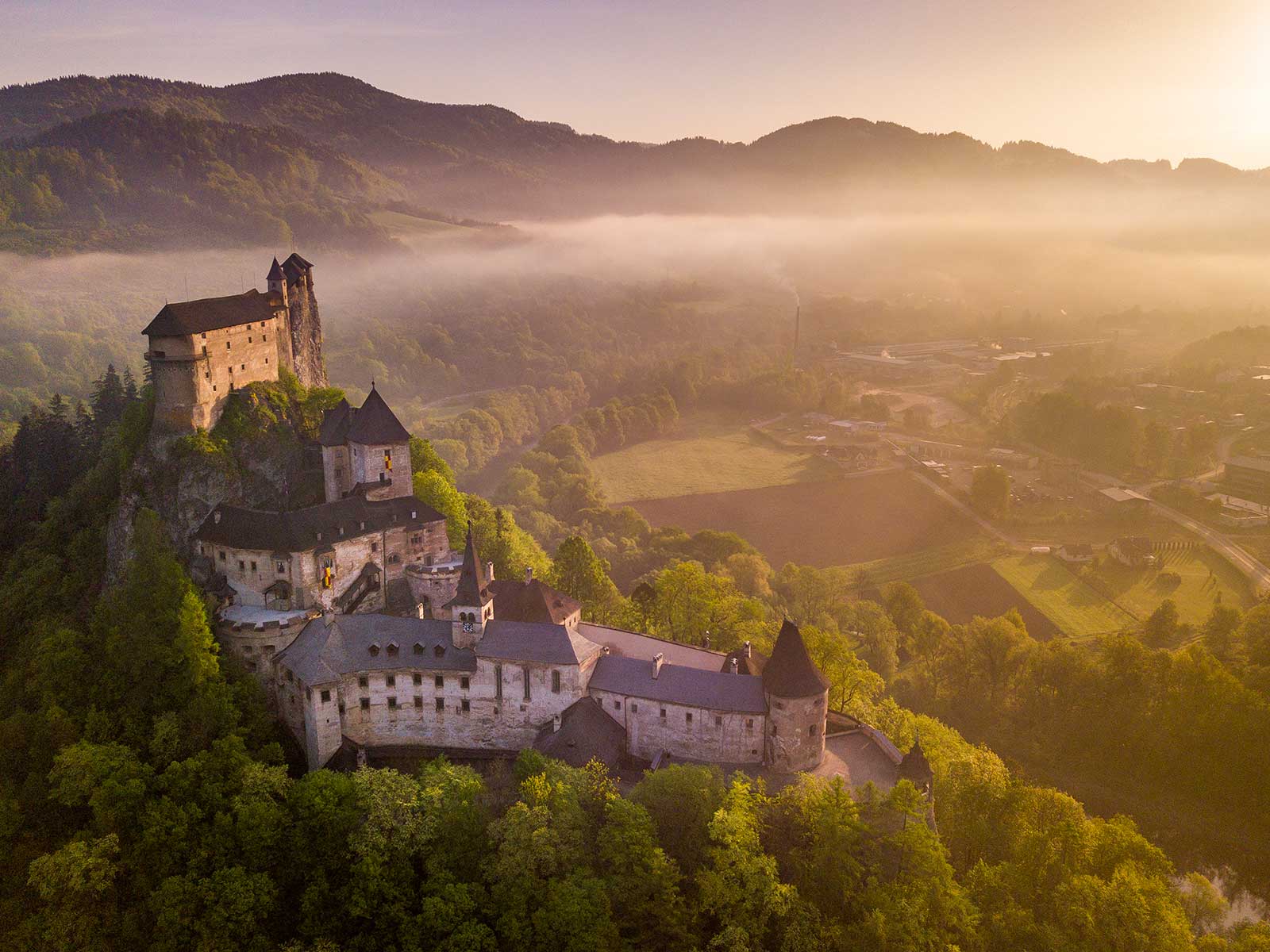
Bratislava serves as an excellent gateway to the diverse landscapes and historical treasures of Slovakia. Beyond the capital, visitors can venture to the stunning Bojnice Castle, explore the unique folk architecture of Čičmany Ethno Village, or relax at the Spa island in Pieštany. For nature enthusiasts, the breathtaking High Tatras (Vysoké Tatry) mountains offer hiking, skiing at Jasna Ski Resort, and picturesque lakes like Štrbské Pleso, along with attractions like the Walkway canopy Bachledka. Further east, the medieval grandeur of Spiš Castle, the natural beauty of Slovak Paradise National Park, and the impressive Domica Cave await. Even Košice, with its magnificent Cathedral of St. Elizabeth, is reachable for a longer day trip or overnight stay.
Cost-Effectiveness
Generally, Bratislava offers a more budget-friendly travel experience compared to Vienna. Accommodation, dining, and entertainment options in Bratislava tend to be more affordable, making it an attractive choice for travelers mindful of their expenses. Vienna, while offering excellent value for its world-class attractions, generally comes with a higher price tag for hotels, meals, and cultural events.
Who Should Visit Which?
Choose Vienna if you:
- Are captivated by imperial history, grand palaces, and classical music.
- Seek a sophisticated urban experience with world-class museums and opera.
- Enjoy refined coffee house culture and elegant dining.
- Have a more flexible budget for travel.
Choose Bratislava if you:
- Prefer a more intimate, walkable city with a charming Old Town.
- Are interested in exploring a city with a unique blend of past and present.
- Enjoy lively pubs, modern cafes, and a burgeoning food scene.
- Are looking for a more budget-friendly Central European capital.
- Want a convenient base to explore the diverse regions of Slovakia.
Can You Visit Both? Absolutely!
Given their close proximity, many travelers opt to combine Vienna and Bratislava into a single trip. You could spend 3-4 days exploring Vienna's imperial splendors and then take a short train or boat ride to Bratislava for 2-3 days of its relaxed charm and historical discoveries. This allows you to experience the best of both worlds, contrasting the grandiosity of the former Habsburg capital with the understated appeal of its Slovak neighbor.
Conclusion
Whether you dream of waltzing through imperial ballrooms or wandering cobblestone streets with a craft beer in hand, both Vienna and Bratislava promise unforgettable Central European adventures. Vienna offers an undeniable immersion into history, high culture, and imperial splendor, while Bratislava provides a refreshing blend of accessibility, vibrant local life, and a rich history waiting to be uncovered. Ultimately, the "best" city depends on your personal preferences, but the true joy might just be found in experiencing thedelightful contrastsof both.