
The Architecture of Singapore: Iconic Buildings & Modern Marvels
Singapore, a dazzling island nation, stands as a testament to architectural innovation, seamlessly blending its rich colonial past with a futuristic vision. From intricate shophouses to gravity-defying skyscrapers, its urban landscape tells a compelling story of progress and cultural fusion. Embark on a journey through the Lion City's most iconic structures and discover the marvels that shape its unique identity.
Historical Foundations: Colonial & Traditional Influences
Singapore's architectural narrative begins with its colonial heritage, evident in the stately buildings that dot the Civic District. Structures like the iconic Raffles Hotel, with its grand colonial style and lush courtyards, transport visitors to a bygone era, embodying the elegance of the 19th century. Nearby, the Old Parliament House and National Gallery Singapore (formerly the Supreme Court and City Hall) showcase impressive Neoclassical and Palladian influences, reflecting the British Empire's administrative footprint.
Beyond the colonial grandeur, Singapore preserves its multicultural roots through traditional shophouses and places of worship. Areas like Chinatown,Little India, and Kampong Glam are vibrant living museums, where rows of beautifully restored shophouses display intricate facades, vibrant colours, and unique architectural details that tell tales of early immigrant communities. These structures, often narrow with long rear extensions, served as both residences and businesses, a practical solution to urban living.
Religious architecture also plays a significant role in Singapore's historical fabric. The majestic Sultan Mosque in Kampong Glam, with its golden domes and impressive prayer hall, stands as a beacon of Islamic heritage. In Little India, the vibrant Sri Mariamman Temple, Singapore's oldest Hindu temple, dazzles with its elaborate sculptures and Dravidian architectural style, reflecting the diverse spiritual landscape of the nation.
Tip for Explorers:For a deeper dive into Singapore's heritage architecture, consider a walking tour through the conservation areas of Telok Ayer, Everton Park, or Blair Plain. These districts offer a quieter glimpse into the evolution of the traditional shophouse.
The Modern Metropolis: Skyscrapers & Urban Planning
Post-independence, Singapore embarked on an ambitious journey to modernize, transforming from a colonial port city into a gleaming global hub. This transformation is most visible in its Central Business District (CBD) skyline, a dense forest of glass and steel towers that symbolize economic prowess and urban efficiency. Architects were challenged to build upwards and innovatively, leading to a dynamic and ever-evolving cityscape.
Singapore's urban planning is legendary, characterized by meticulous foresight and a commitment to quality of life. The city-state has masterfully integrated infrastructure, green spaces, and high-rise developments, creating a highly functional yet aesthetically pleasing urban environment. This strategic approach has fostered an architectural landscape that is both dense and breathable, efficient and beautiful.
Iconic Modern Marvels: Redefining the Skyline
Singapore's modern architecture is a spectacle of daring design and engineering brilliance. These structures are not just buildings; they are landmarks that have put Singapore on the global map.
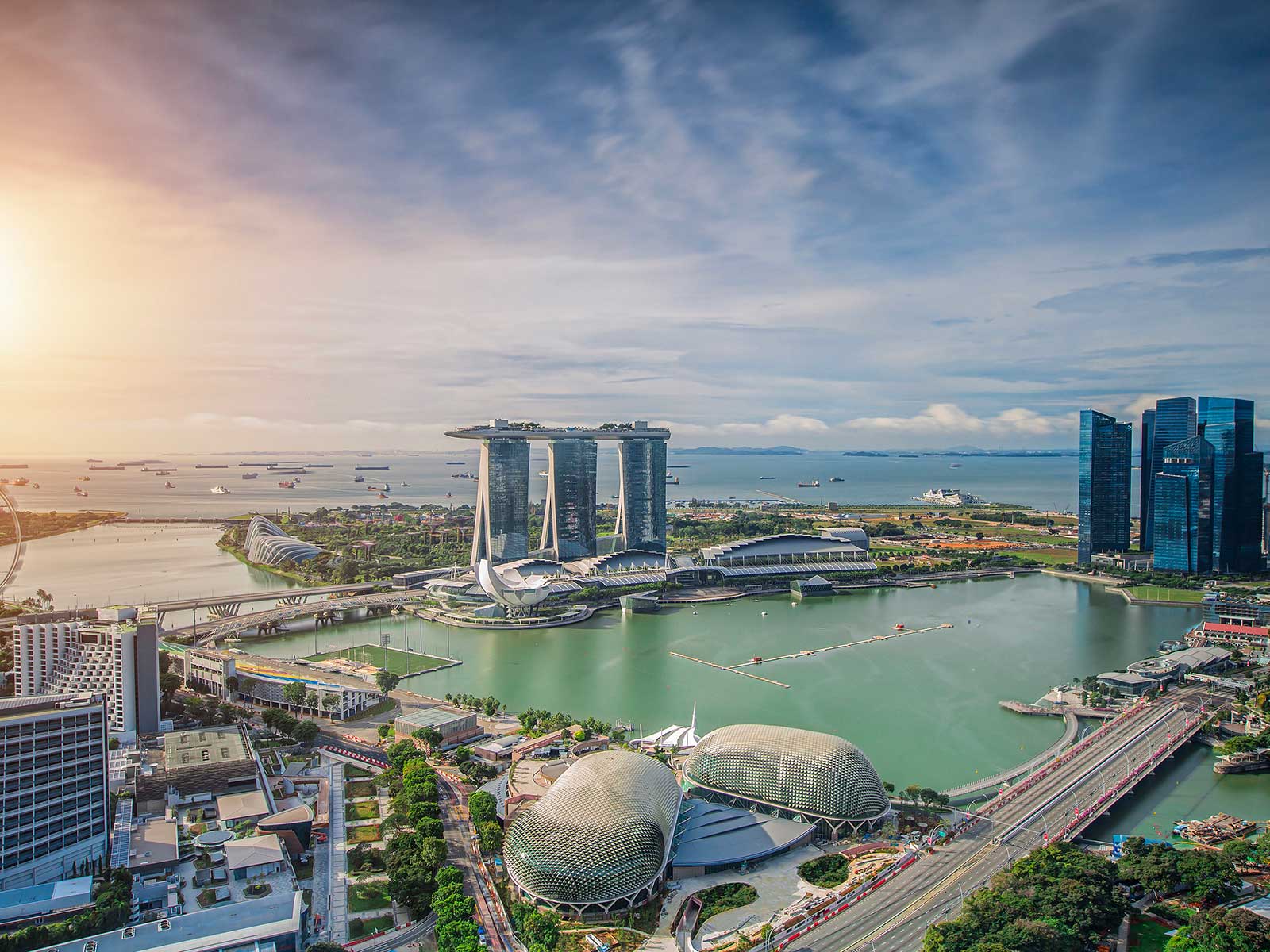
- Marina Bay Sands:Perhaps Singapore's most recognizable icon, this integrated resort features three soaring hotel towers connected by the extraordinary SkyPark, an elevated oasis offering panoramic city views. Its boat-like structure appears to defy gravity, a true marvel of contemporary design.
- Gardens by the Bay:While primarily a nature park, the architectural elements here are equally stunning. The Supertrees, vertical gardens that light up at night, and the cooled conservatories like the Flower Dome and Cloud Forest, are groundbreaking examples of bio-architecture and sustainable design. They merge nature with technology in an awe-inspiring way.
- ArtScience Museum:Located next to Marina Bay Sands, this museum's distinctive lotus-inspired design symbolizes the welcoming hand of Singapore. Its "petals" collect rainwater, demonstrating an elegant integration of form and function.
- The Esplanade – Theatres on the Bay:Affectionately nicknamed "the durian" by locals due to its spiky facade, this performing arts centre is celebrated for its acoustic excellence and unique design. The individual aluminum sunshades on its exterior are functional, providing shade while creating its characteristic look.
- Helix Bridge:A stunning pedestrian bridge that mimics the double-helix structure of DNA, this architectural marvel connects Marina Centre with Marina Bay Sands. Its intricate steel lattice is illuminated at night, creating a mesmerizing visual experience.
- Singapore Flyer:One of the world's largest observation wheels, the Flyer offers unparalleled 360-degree views of Singapore's skyline, including the iconic Marina Bay area and beyond. It's a testament to engineering ambition, providing a unique perspective on the city's architectural grandeur.
Sustainable & Green Architecture: The "City in a Garden" Vision
Singapore's commitment to becoming a "City in a Garden" is deeply embedded in its architectural philosophy. This vision goes beyond simply having parks; it involves integrating nature directly into urban structures. Green roofs, vertical gardens, and sky gardens are increasingly common, enhancing biodiversity and mitigating the urban heat island effect.
Projects like the PARKROYAL Collection Pickering, with its hotel-in-a-garden concept, demonstrate how sustainability and luxury can coexist. Its undulating green terraces and waterfalls seamlessly blend with its urban surroundings. The principles seen in Gardens by the Bay are replicated on a smaller scale across many new developments, making greenery an integral part of daily life.
Even historic sites like the Singapore Botanic Garden, a UNESCO World Heritage Site, can be seen as a precursor to this green ambition, showcasing how meticulously cultivated nature can thrive within an urban setting, inspiring architects to weave natural elements into their designs.
Residential & Community Architecture: From HDBs to High-Rises
The architecture of Singapore is not solely defined by its grand landmarks; it's also shaped by its residential landscape. The Housing Development Board (HDB) flats, home to over 80% of Singaporeans, are a cornerstone of the nation's social and urban planning. These high-rise communities, while often uniform in their early iterations, have evolved to include diverse designs, integrated amenities, and green spaces, fostering a strong sense of community.
Newer private residential developments push the boundaries of luxury and design, featuring innovative layouts, sky gardens, and bespoke facades. These high-end condominiums often incorporate sustainable features and thoughtful landscaping, reflecting a global trend towards sophisticated urban living.
Future Forward: Singapore's Architectural Trajectory
Singapore continues to look ahead, with ambitious plans for future developments that promise to further enhance its architectural prestige. Projects like the Greater Southern Waterfront aim to transform former port areas into vibrant new districts, incorporating smart city technologies and sustainable design principles. The emphasis remains on creating livable, green, and technologically advanced spaces that respond to the challenges of climate change and rapid urbanization.
The city-state is a living laboratory for urban solutions, with architects and planners constantly experimenting with new materials, construction methods, and design philosophies to build a resilient and beautiful future.
Exploring Singapore's Architectural Gems: A Practical Guide
To truly appreciate Singapore's architectural diversity, consider exploring different districts on foot. Begin your journey in the Civic District to admire colonial-era buildings, then wander through the charming streets of Chinatown,Little India, and Kampong Glam to experience traditional shophouse architecture and cultural landmarks.
For a taste of modern design, spend time around Marina Bay, where you can marvel at Marina Bay Sands, the ArtScience Museum, and the Supertrees at Gardens by the Bay. Don't miss the chance to see the vibrant transformation of old warehouses into entertainment hubs along Clarke Quay, showcasing a blend of heritage and contemporary repurposing. And for high-end retail architecture, a stroll down Orchard Road reveals sleek shopping malls with innovative facades.
Singapore's architecture is more than just buildings; it's a dynamic expression of its history, ambition, and vision for the future. Each structure tells a part of this incredible story, inviting visitors to look up, look closely, and be inspired.