
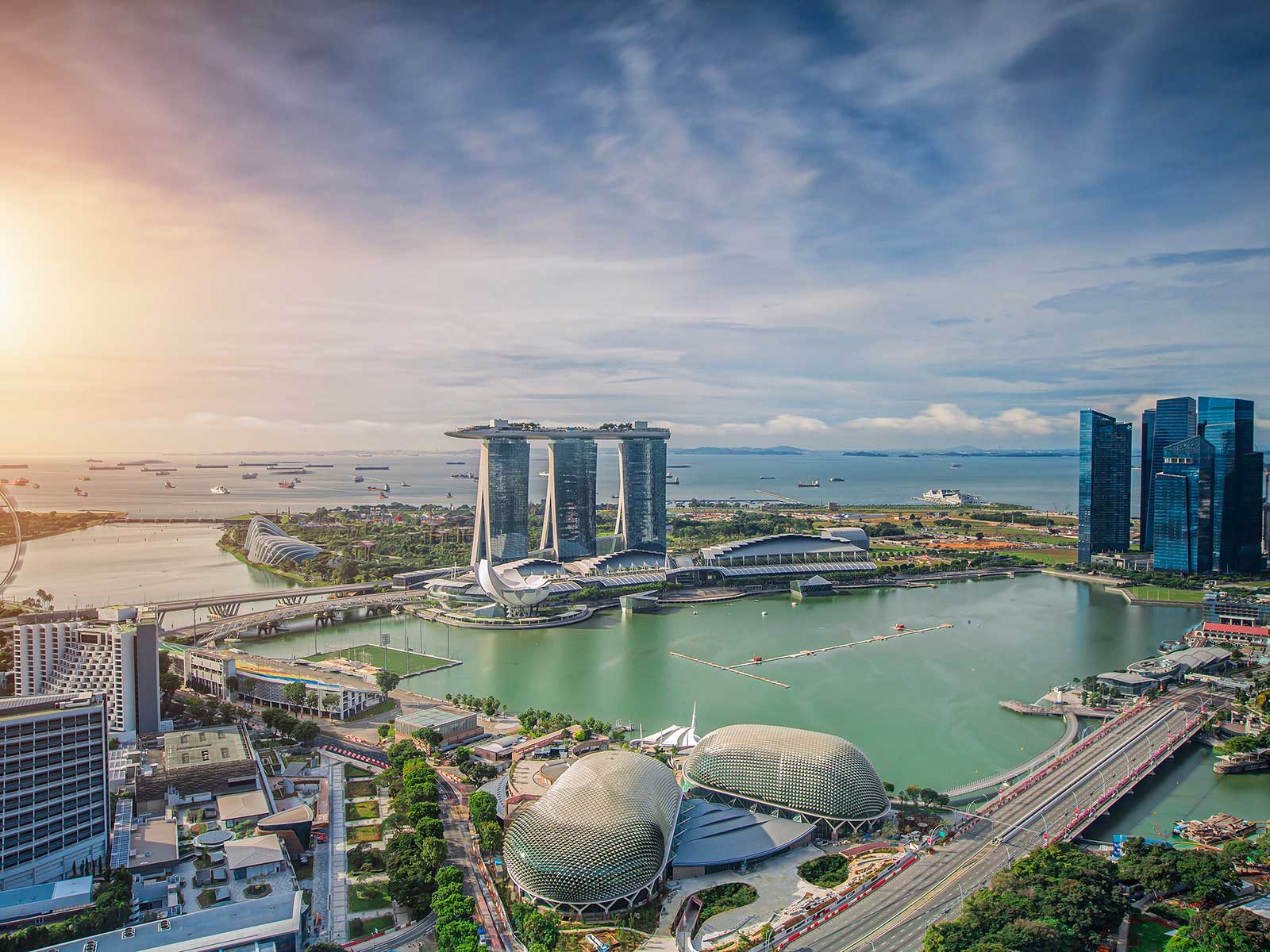
Singapore Culture & Customs: Essential Etiquette for Travelers
Singapore is a vibrant melting pot of cultures, where Malay, Chinese, Indian, and Eurasian influences beautifully intertwine. To truly appreciate the Lion City and ensure a smooth, respectful visit, understanding its unique customs and etiquette is key for any traveler.
Understanding Singapore's Cultural Tapestry
Singapore's rich heritage is a cornerstone of its identity, making it a fascinating destination. The majority ethnic groups—Chinese, Malay, and Indian—each contribute distinct traditions, languages, and culinary delights, all coexisting harmoniously. This multicultural fabric means that a little awareness goes a long way in showing respect and fostering positive interactions.
Exploring areas like Chinatown,Little India, and Kampong Glam offers direct insights into these diverse communities, each with its own specific nuances in etiquette. Being mindful of these differences enriches your travel experience immensely.
General Social Etiquette
Singaporeans generally value politeness, order, and consideration for others.
- Greetings:A handshake is common among men and often between men and women in a professional setting. For women, a slight nod or a verbal greeting is often sufficient. Addressing elders with respect (e.g., "Auntie" or "Uncle" for older strangers) is a common practice, though not strictly necessary for tourists.
- Personal Space:While Singapore is a densely populated city, people generally maintain a respectful distance in social interactions. Avoid overly boisterous behavior or excessive physical contact with strangers.
- Queueing:Singaporeans are generally orderly. Always queue patiently and avoid cutting in line, whether at a bus stop, a hawker stall, or a cashier.
- Public Transport:On buses and MRT trains, offer your seat to the elderly, pregnant women, or those with disabilities. Keep noise levels down and avoid eating or drinking, which is strictly prohibited.
Dining Customs & Hawker Culture
Eating is a national pastime in Singapore, and its hawker centers are legendary. Navigating these culinary hubs comes with its own set of unwritten rules.
- "Chope-ing" Tables:At hawker centers, it's common practice to reserve (or "chope") a table by placing a packet of tissues, an umbrella, or even a business card on it while you order your food. This unique custom is widely understood and respected.
- Cutlery:While forks and spoons are commonly used, chopsticks are prevalent in Chinese eateries, and some Indian or Malay dishes might be eaten with the right hand. If unsure, observe what locals are doing.
- Food Waste:Singaporeans generally frown upon wasting food. Order what you can finish and try to clear your plate.
- Sharing:It's common to order several dishes and share them communally, especially in family-style restaurants.
Singapore's hawker centers are a UNESCO Intangible Cultural Heritage, embodying the nation's diverse culinary spirit and community gathering. Embrace the vibrant atmosphere and delicious local fare!
Dress Code & Religious Sites
Singapore's climate calls for light, comfortable clothing, but modesty is appreciated, especially in certain contexts.
- General Attire:Casual wear is generally acceptable, but smart casual is preferred for upscale restaurants or hotels like the Raffles Hotel.
- Religious Sites:When visiting temples, mosques (such as those in Kampong Glam), or churches, dress modestly. This typically means covering your shoulders and knees. Some sites may require women to cover their heads with a scarf, which might be provided at the entrance. Always remove your shoes before entering mosques and many temples, and sometimes before entering local homes.
Laws & Public Conduct
Singapore is famously known as a "Fine City" due to its strict laws, which contribute to its cleanliness and orderliness. Adhering to these rules is non-negotiable.
- Littering:Absolutely do not litter. Fines are hefty, and enforcement is strict.
- Chewing Gum:The import and sale of chewing gum are largely prohibited, and littering it is an offense. It's best to avoid bringing or consuming chewing gum.
- Smoking:Smoking is banned in most indoor public places, on public transport, and increasingly in outdoor areas like covered walkways, hawker centers, and parks. Always look for designated smoking areas.
- Jaywalking:Use pedestrian crossings and wait for the green light. Jaywalking can result in a fine.
- Drugs:Singapore has extremely severe penalties for drug offenses, including the death penalty. Do not, under any circumstances, engage with illegal drugs.
Tipping & Service Culture
Unlike many Western countries, tipping is generally not expected or required in Singapore.
- Service Charge:Most restaurants and hotels automatically add a 10% service charge to your bill, along with a 7% Goods and Services Tax (GST). Therefore, additional tipping is unnecessary.
- Taxis:Tipping taxi drivers is not customary.
- Exceptional Service:If you wish to show appreciation for truly exceptional service, a small gesture might be accepted, but it is never obligatory.
Communication & Gestures
Understanding non-verbal cues can prevent misunderstandings.
- Pointing:Avoid pointing with your index finger. Instead, use your whole hand or, more commonly, subtly gesture with your chin.
- Left Hand:In Malay and Indian cultures, the left hand is traditionally considered unclean. Avoid using your left hand to give or receive items, or to eat.
- Touching Heads:The head is considered sacred in many Asian cultures. Avoid touching someone's head, even a child's, as it can be seen as highly disrespectful.
- Smiling & Indirectness:Singaporeans often communicate indirectly to maintain harmony. A smile can go a long way in awkward situations.
Visiting Homes & Sacred Places
If you're fortunate enough to be invited into a local's home, or are visiting a religious site, observe these courtesies:
- Remove Shoes:Always remove your shoes before entering a private home or a place of worship. Look for a shoe rack or follow the lead of others.
- Gifts:While not mandatory, a small gift (e.g., chocolates, flowers, or a souvenir from your home country) is a thoughtful gesture when visiting someone's home.
- Respect Privacy:Be mindful of noise levels and respect the privacy of residents, especially in residential areas or during prayer times near mosques or temples.
Shopping & Bargaining
Shopping experiences vary across Singapore, from high-end boutiques to bustling markets.
- Fixed Prices:In modern shopping malls like those along Orchard Road, prices are generally fixed, and bargaining is not expected.
- Markets:In traditional markets in areas like Chinatown or Little India, friendly bargaining for souvenirs or goods might be possible, but always do so respectfully and with a smile.
Environmental Responsibility & Cleanliness
Singapore prides itself on being a "Garden City," a testament to its commitment to cleanliness and greenery. Visitors are expected to contribute to this ethos.
- Waste Disposal:Always use designated bins for trash. Avoid littering, even small items.
- Conserve Resources:Be mindful of water and energy consumption. Singapore's beautiful green spaces, such as Gardens by the Bay and the Singapore Botanic Garden, are maintained through careful planning and public cooperation.
Embracing the Local Spirit
Ultimately, traveling is about experiencing new cultures. By observing these essential etiquette tips, you’ll not only show respect for Singapore's unique customs but also enhance your own journey. Embrace the opportunity to learn, engage with locals, and immerse yourself in the harmonious blend of traditions that make Singapore truly special.
Your thoughtful approach will ensure a memorable and enriching visit to this extraordinary island nation.