
Exploring Banana Islands: Day Trip Guide from Sierra Leone Mainland
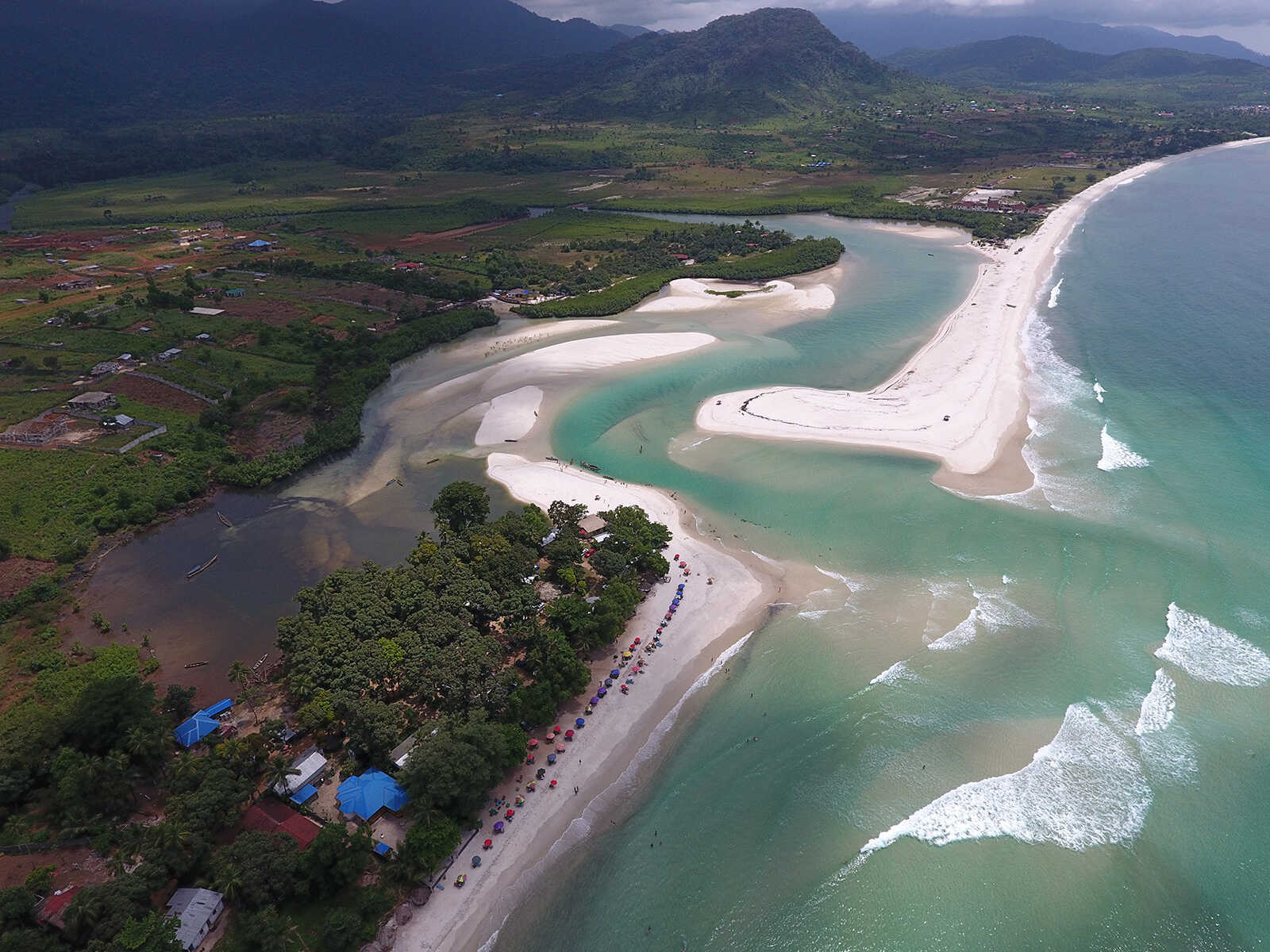
Seeking a serene escape from the mainland's hustle? The Banana Islands offer a captivating blend of pristine beaches, rich history, and vibrant local culture, making them an ideal day trip destination from Sierra Leone.
Comprising three islands – Dublin, Ricketts, and Mes-Meheux – the Banana Islands are an untouched paradise nestled off the coast of the Freetown Peninsula. Known for their lush landscapes, crystal-clear waters, and compelling past, these islands provide a unique glimpse into Sierra Leone's natural beauty and historical narrative. Whether you're an adventurer, a history buff, or simply seeking tranquility, the Banana Islands promise an unforgettable experience.
Journey to the Islands: Getting There
Reaching the Banana Islands is an adventure in itself, typically involving a scenic boat ride. The primary departure points on the Sierra Leone mainland include Kent and Sussex, both located on the southern tip of the Freetown Peninsula. Some visitors also arrange transport from Tokeh Beach, another popular coastal spot known for its beautiful sands.
From these points, local boats or chartered speedboats transport visitors to Dublin Island, the most accessible and inhabited of the three. The journey across the Atlantic waters typically takes anywhere from 30 minutes to an hour, depending on the type of boat and sea conditions. It's advisable to arrange your boat trip in advance, ideally through a reputable tour operator or a local contact, to ensure a smooth and safe journey. Early morning departures are recommended to maximize your time on the islands and avoid rougher afternoon seas.
Discovering the Banana Islands: What to Expect
Upon arrival, usually at Dublin Island, you'll be greeted by friendly locals and the island's laid-back atmosphere. Dublin and Ricketts Islands are connected by a stone causeway that is often submerged at high tide, adding to the islands' charm and providing a unique walking experience at low tide.
Historical Footprints and Cultural Immersion
The Banana Islands hold significant historical weight, particularly relating to the transatlantic slave trade. Exploring these remnants offers a poignant insight into the past:
- Old Church and Slave Fort Ruins:On Dublin Island, you can visit the ruins of an old colonial church and the remains of a slave fort. These sites serve as powerful reminders of the islands' role in the slave trade, providing a stark contrast to their present-day tranquility.
- Lighthouse:A hike to the old lighthouse offers panoramic views of the surrounding ocean and neighbouring islands. The path can be steep in places, but the breathtaking vistas make the effort worthwhile.
- Local Villages:Engage with the local communities on Dublin and Ricketts Islands. Observe daily life, interact with fishermen, and perhaps purchase some local crafts. This cultural exchange is a highlight for many visitors.
The name "Banana Islands" is believed to derive not from the fruit, but from the islands' crescent shape, resembling a banana or plantain.
Natural Wonders and Water Activities
Beyond history, the islands are a haven for nature lovers and those seeking aquatic adventures:
- Snorkelling and Swimming:The clear, calm waters surrounding the islands are perfect for swimming. Snorkellers can discover vibrant marine life and coral formations just a short distance from the shore.
- Hiking and Exploration:Trek through lush vegetation, discover hidden coves, and enjoy the diverse birdlife. A local guide is highly recommended to navigate the trails and share insights into the local flora and fauna.
- Fishing:For those interested in angling, the waters around the Banana Islands are rich with fish. Many local fishermen are happy to take visitors out on a traditional pirogue.
- Relaxation:Simply unwind on the pristine, uncrowded beaches, soaking in the sun and the peaceful atmosphere. Compared to more bustling mainland beaches like River No 2 Beach or Bureh Beach, the Banana Islands offer unparalleled solitude.
Planning Your Banana Islands Day Trip
To ensure a smooth and enjoyable day trip, consider these practical tips:
Best Time to Visit:The dry season (November to May) is generally the most favourable time to visit, with calmer seas and sunny skies. However, the islands retain their charm year-round.
What to Pack:
- Sun Protection:Sunscreen, a wide-brimmed hat, and sunglasses are essential.
- Hydration:Bring plenty of water, as options for purchasing drinks may be limited.
- Comfortable Footwear:Sandals for the beach and sturdy shoes for hiking are advisable.
- Swimwear and Towel:For enjoying the pristine waters.
- Snacks:While local food can be arranged, it's wise to bring some snacks, especially if you have dietary preferences.
- Camera:To capture the stunning landscapes and historical sites.
- Insect Repellent:Especially if you plan to explore inland.
Food and Drink:While local meals, often freshly caught fish with rice, can be prepared by island residents, arrangements should be made in advance. It’s always a good idea to bring extra water and some non-perishable snacks.
Local Guides:Hiring a local guide upon arrival is highly recommended. They can lead you to historical sites, share local stories, and ensure you make the most of your visit while supporting the local economy.
Sustainable Tourism and Respectful Engagement
When visiting the Banana Islands, remember to practice responsible tourism. Always respect the local culture and environment. Ask for permission before taking photographs of people, avoid littering, and support the local community by purchasing goods or services. These islands are a precious resource, and preserving their natural beauty and cultural integrity is paramount for future generations.
A day trip to the Banana Islands is more than just a visit; it's an immersive experience into Sierra Leone's rich tapestry of history, nature, and community spirit. From the moment you set sail from the mainland, to exploring ancient ruins and swimming in turquoise waters, the islands offer a peaceful retreat and a profound connection to this West African gem.