
Sustainable Travel in Seychelles: Eco-Friendly Tips for Visitors
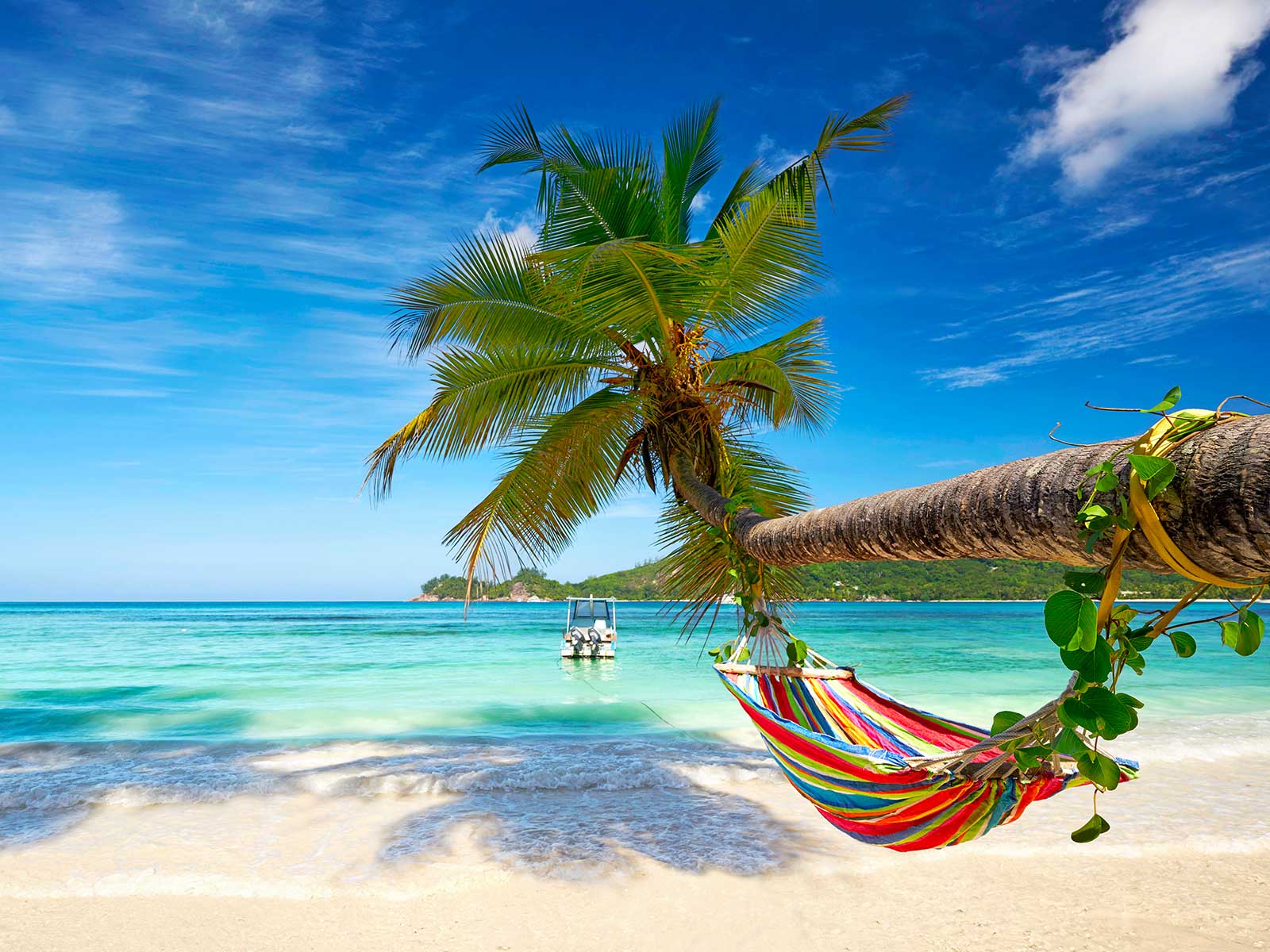
The Seychelles, an archipelago of 115 islands scattered across the Indian Ocean, epitomizes paradise with its pristine beaches, vibrant coral reefs, and unique biodiversity. As a destination revered for its natural beauty, preserving this delicate ecosystem is paramount for both locals and visitors. Embracing sustainable travel practices ensures that the magic of Seychelles endures for generations to come.
Why Sustainable Travel Matters in Seychelles
Seychelles is a global hotspot for biodiversity, home to endemic species found nowhere else on Earth, such as the iconic Coco de Mer palm and the Seychelles giant tortoise. The islands' economy is heavily reliant on tourism and fishing, making the health of its natural environment directly tied to its prosperity. The Seychellois government has demonstrated a strong commitment to conservation, designating over 50% of its land area as national parks and reserves. As a visitor, your choices have a direct impact on supporting these vital conservation efforts and protecting the fragile marine and terrestrial ecosystems.
Planning Your Eco-Conscious Seychelles Trip
Making sustainable choices begins even before you arrive. Thoughtful planning can significantly reduce your environmental footprint.
Choosing Sustainable Accommodation
When selecting where to stay, prioritize establishments that actively practice sustainability. Look for resorts and guesthouses that:
- Are locally owned and operated, supporting the community directly.
- Have certifications or clear policies on environmental management (e.g., waste reduction, water conservation, renewable energy).
- Engage in local conservation projects or community initiatives.
- Minimize plastic use and offer refillable toiletries.
Many accommodations in Seychelles are increasingly adopting eco-friendly practices, from rainwater harvesting to energy-efficient systems.
Responsible Tour Operators
Opt for tour operators committed to ethical and sustainable tourism. These operators often:
- Employ local guides, providing authentic experiences and supporting local livelihoods.
- Operate small group tours to minimize impact on natural sites.
- Adhere to strict environmental guidelines for activities like snorkeling, diving, and island excursions.
- Educate visitors on local ecology and conservation.
Packing Smart and Light
Your packing choices can make a difference:
- Reusable Water Bottle:Avoid single-use plastic bottles by carrying a refillable one. Many hotels and restaurants offer water refilling stations.
- Reusable Shopping Bag:Handy for markets and souvenir shopping.
- Reef-Safe Sunscreen:Choose sunscreens free of oxybenzone and octinoxate, chemicals harmful to coral reefs and marine life.
- Minimal Plastics:Reduce packaged items and opt for solid toiletries where possible.
- Appropriate Clothing:Lightweight, breathable clothing for the tropical climate, and respectful attire for visiting local communities.
Eco-Friendly Activities and Exploration
Experience the wonders of Seychelles without compromising its natural integrity.
Protecting Marine Life
The Seychelles boasts some of the world's most spectacular marine environments, from vibrant coral gardens to teeming fish populations. When enjoying activities like snorkeling or diving:
- Observe, Don't Touch:Never touch coral, fish, or any other marine organisms. Even a light touch can damage delicate ecosystems.
- Maintain Distance:Keep a respectful distance from all marine life, including sea turtles, sharks, and rays.
- No Feeding:Feeding fish or other animals can disrupt their natural behavior and diet.
- Buoyancy Control:If diving, ensure excellent buoyancy control to avoid accidentally hitting the reef.
- No Souvenirs:Resist the urge to collect shells, coral fragments, or sand. These are vital parts of the ecosystem and illegal to remove.
Consider visiting protected areas like the Sainte Anne Marine National Park, where strict regulations help preserve the underwater world. Many boat excursions to islands like Coco Island for snorkeling will emphasize these guidelines.
Exploring Terrestrial Wonders Responsibly
The islands offer lush interiors, hiking trails, and unique wildlife. When exploring:
- Stay on Marked Trails:Especially in areas like Vallée de Mai National Park(a UNESCO World Heritage site, home to the Coco de Mer) or Morne Seychellois National Park, sticking to designated paths prevents erosion and protects delicate flora.
- Do Not Disturb Wildlife:Observe animals from a distance. Do not feed or attempt to handle them.
- Leave No Trace:Pack out everything you pack in, including all litter and food scraps.
- Respect Private Property:Some areas, especially on islands like Silhouette Island, are private or have specific access rules.
On La Digue Island, cycling is the primary mode of transport, offering an excellent eco-friendly way to explore its stunning beaches and quaint villages.
Waste Reduction and Management
The Seychelles faces challenges with waste management, particularly plastics. Your role in minimizing waste is crucial:
- Reduce, Reuse, Recycle:Prioritize reducing your waste, reusing items, and recycling where facilities are available.
- Dispose of Waste Properly:Use designated bins and never litter.
- Avoid Single-Use Plastics:Say no to plastic bags, straws, and unnecessary packaging.
Supporting Local Communities and Economy
Engaging with and supporting the local population is a cornerstone of sustainable tourism.
Buying Local
Directly support the Seychellois economy by:
- Shopping at Local Markets:Purchase fresh produce, fish, and handmade crafts from local vendors, especially in places like Victoria.
- Dining at Local Restaurants:Savor authentic Creole cuisine at local eateries, which often use locally sourced ingredients.
- Purchasing Authentic Souvenirs:Look for genuine Seychellois crafts rather than mass-produced imports.
Cultural Sensitivity
Respect local customs and traditions:
- Dress Respectfully:Particularly when visiting religious sites or local villages.
- Learn Basic Phrases:A few words in Seychellois Creole (e.g., "bonjour" for hello, "mersi" for thank you) can go a long way.
- Ask Before Photographing:Always ask permission before taking photos of people.
Transportation with a Conscience
Consider your transportation choices to minimize your carbon footprint.
- Walk or Cycle:Embrace walking or cycling, especially on smaller islands like La Digue Island, which is renowned for its bicycle-friendly routes.
- Public Transport:Where available, utilize local buses to get around the main islands.
- Efficient Boat Transfers:When island hopping, choose established, efficient ferry services rather than private charter boats for single use, if possible.
Specific Eco-Friendly Destinations and Initiatives
Many islands in Seychelles are at the forefront of conservation:
"The Seychelles has protected over half its land mass and has a bold target to protect 30% of its Exclusive Economic Zone, demonstrating a profound commitment to marine and terrestrial conservation."
- Fregate Island: A prime example of private conservation success, known for its endemic bird species and giant tortoise breeding program.
- Bird Island: A sanctuary for millions of migratory birds, offering intimate wildlife encounters with a focus on minimal impact.
- Cousine Island Special Reserve: A dedicated private island reserve focused on habitat restoration and the protection of endemic fauna and flora.
- Aldabra Atoll: A UNESCO World Heritage site and one of the world's largest raised coral atolls, home to a huge population of giant tortoises. Access is strictly controlled to preserve its pristine state.
By choosing to visit and support these islands and the initiatives they represent, you contribute directly to the ongoing conservation efforts that make Seychelles a leader in environmental protection.
Leaving No Trace
The overarching principle of sustainable travel is to "take only pictures, leave only footprints." Every action, no matter how small, contributes to the preservation of this extraordinary destination. By being mindful and respectful, you help maintain the delicate balance of the Seychellois ecosystem.
Conclusion
The Seychelles offers an unparalleled escape into nature's embrace. By adopting eco-friendly practices, you become a custodian of its beauty, ensuring that the turquoise waters, lush forests, and unique wildlife continue to thrive. Your sustainable choices not only enrich your own travel experience but also contribute to a healthier planet and a more prosperous future for the Seychellois people. Journey responsibly, and let the Seychelles inspire a deeper connection with our natural world.