
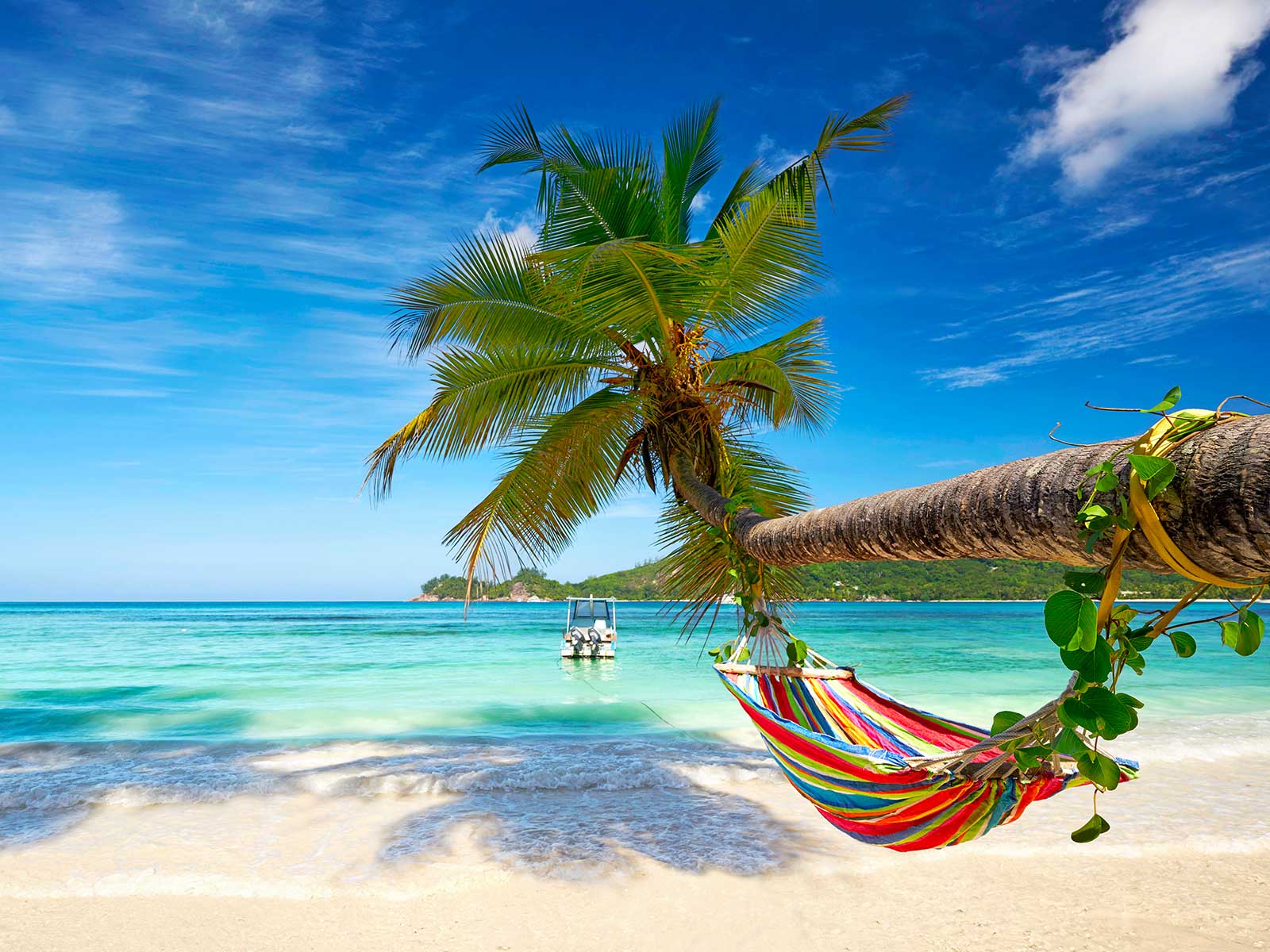
A Brief History of Seychelles: From Colonial Past to Independent Paradise
The Seychelles archipelago, a cluster of 115 islands scattered across the Indian Ocean, is renowned today as a pristine tropical paradise. Yet, beneath its tranquil surface lies a rich and complex history, a captivating journey from uninhabited lands to a melting pot of cultures forged through centuries of colonial influence and a determined path to independence.
Early Discovery and Uninhabited Lands
For centuries, the granite and coral islands of Seychelles remained largely uninhabited, a secret haven for unique flora and fauna. While Arab traders likely visited the islands as early as the 9th or 10th century, leaving behind no permanent settlements, documented European discovery came in 1502 with Portuguese explorer Vasco da Gama. He charted some of the islands, naming them the "Amirantes" (Admirals' Islands), but the remote location and lack of immediate resources meant they were largely ignored by passing ships for another 200 years.
During this period, the islands served as a hideout for pirates who preyed on trade routes between Europe and Asia. The dense, untouched forests, home to giant tortoises and the unique coco de mer palm, provided ample fresh water and shelter, making them an ideal, anonymous base. The exceptional biodiversity, particularly in places like Vallée de Mai National Park on Praslin, offers a glimpse into this ancient, pristine past.
The French Era: First Settlers and the Spice Trade
The strategic importance of the Seychelles islands gained attention in the mid-18th century amidst the rivalry between France and Britain for dominance in the Indian Ocean. In 1756, Captain Corneille Nicholas Morphey of the French East India Company claimed the islands for France, placing a stone of possession on Mahé, the largest island. The archipelago was named "La Bourdonnais" in honour of Mahé de La Bourdonnais, the French Governor of Mauritius.
However, it wasn't until 1770 that the first permanent settlement was established on Mahé. A small party of French colonists, accompanied by enslaved Africans, arrived to cultivate spices, particularly cinnamon, cloves, and vanilla, commodities highly valued in Europe. The settlement, initially known as 'L'Etablissement du Roi' (The King's Settlement), would later evolve into Victoria, the nation's charming capital. The French influence is still palpable today, from the Creole language, a blend of old French and African dialects, to the architecture and cuisine.
Did You Know?The iconic coco de mer, native only to Praslin and Curieuse islands in Seychelles, was once believed to grow in an underwater forest due to its unusual, suggestive shape when found washed ashore in distant lands.
British Rule: From Colony to Crown Colony
The tumultuous period of the Napoleonic Wars saw the Seychelles islands change hands several times between France and Britain. Ultimately, with the Treaty of Paris in 1814, Seychelles, along with Mauritius, was formally ceded to Great Britain. For nearly a century, Seychelles was administered as a dependency of Mauritius, a decision that often left the islands feeling neglected and their development stifled.
British rule brought significant changes, most notably the abolition of slavery in 1835. This led to complex social and economic shifts as former slaves, many of whom had been brought from East Africa, began to integrate into society. The British also introduced new crops like coconut and vanilla, which further shaped the agricultural landscape. Infrastructure slowly improved, and the foundations of a modern administration were laid.
A major milestone came in 1903 when Seychelles finally became a separate British Crown Colony, gaining its own administration and greater autonomy. This period saw the development of educational institutions, healthcare facilities, and a more structured legal system, paving the way for future self-governance. Many of the islands' distinct identities began to form during this era, from the granite peaks of Morne Seychellois National Park to the unique communities on La Digue Island.
The Road to Independence
The mid-20th century brought a growing wave of nationalism and calls for self-determination across British colonies. In Seychelles, political consciousness began to stir, particularly after World War II. The late 1960s saw the emergence of two main political parties: the Seychelles People's United Party (SPUP), led by France-Albert René, advocating for independence, and the Seychelles Democratic Party (SDP), led by James Mancham, initially favouring integration with Britain before shifting towards independence.
After years of negotiations and constitutional conferences, the United Kingdom granted Seychelles full independence on June 29, 1976. James Mancham became the first President, and France-Albert René became the Prime Minister. This marked a pivotal moment, transforming the archipelago from a colonial outpost into a sovereign republic, ready to chart its own course in the international arena.
Post-Independence: Challenges and Progress
The early years of independence were not without their challenges. In 1977, a coup d'état saw France-Albert René assume the presidency, ushering in a period of single-party socialist rule. The country experienced political shifts, including attempted coups and a gradual move towards a more open, multi-party democratic system in the early 1990s. This transition allowed for greater political freedom and renewed focus on economic development.
Seychelles strategically pivoted towards high-value tourism and sustainable development, leveraging its unparalleled natural beauty. Conservation became a cornerstone of national policy, leading to the protection of vast areas of land and sea. Iconic sites like the Aldabra Atoll, a UNESCO World Heritage Site, and various marine parks such as Sainte Anne Marine National Park, became symbols of Seychelles' commitment to preserving its ecological treasures. Private islands like Cousine Island Special Reserve,Bird Island, and Fregate Island have also played crucial roles in conservation efforts.
Seychelles Today: A Republic of Islands
Today, Seychelles stands as a stable and prosperous island nation, celebrated worldwide for its stunning natural environment and vibrant Creole culture. Its economy is largely driven by tourism, fishing, and offshore financial services. The blend of European, African, and Asian influences has created a unique Seychellois identity, reflected in its music, cuisine, and warm hospitality.
The country continues to champion environmental protection, with a significant portion of its land and marine areas designated as national parks and reserves. This commitment ensures that future generations, and visitors, can continue to marvel at its pristine beaches like Anse Lazio,Anse Intendance, and Anse Georgette, explore the unique ecosystems of Silhouette Island, or dive into the crystal-clear waters surrounding Coco Island.
From a forgotten pirate haven to a modern, independent republic, the history of Seychelles is a testament to resilience, cultural synthesis, and a profound connection to its natural heritage. It's a journey that continues to shape this independent paradise, inviting visitors to discover its depths beyond the postcard-perfect shores.