
Serbian Culture and Customs: What Travelers Should Know Before Visiting
Serbia, a land at the crossroads of empires, boasts a vibrant culture shaped by centuries of history, tradition, and warm hospitality. For travelers planning a visit, understanding the local customs can greatly enrich your experience, allowing for deeper connections and a smoother journey through this fascinating Balkan nation.
The Warm Embrace of Serbian Hospitality (Gostoprimstvo)
Perhaps the most defining characteristic of Serbian culture is its legendary hospitality. Serbs are incredibly welcoming, often going out of their way to ensure guests feel comfortable and valued. If you're invited into a Serbian home, consider it a great honor – and prepare for an abundance of food, drink, and lively conversation.
- Greeting Rituals:A firm handshake is standard for men and increasingly common for women. Close friends and family often greet with three kisses on the cheek, alternating left, right, left.
- Offerings:Expect to be offered coffee, rakija (fruit brandy), and a variety of snacks or meals. Refusing politely might be accepted, but accepting at least a small portion is a sign of respect.
Serbian hospitality isn't just a custom; it's a way of life. Be open to spontaneous invitations and genuine warmth – it's where the true heart of Serbia lies.
Family Values and Social Structure
Family forms the bedrock of Serbian society. Extended families often maintain close ties, and respect for elders is deeply ingrained. You'll observe this in social gatherings, where grandparents are revered and children are cherished.
Social interactions are generally direct but polite. Humour can be dry and self-deprecating, and a good joke is always appreciated. Serbs value sincerity and honesty in their interactions.
The Heart of Faith: Serbian Orthodox Christianity
Serbian Orthodox Christianity plays a significant role in the cultural identity of the nation. Many of Serbia's most iconic landmarks are monasteries and churches, such as the magnificent Temple of Saint Sava in Belgrade or the historical monasteries scattered across Fruška Gora.
An important unique tradition isSlava, a family's patron saint day. Passed down from father to son, it's a joyous celebration involving a special candle, bread (slavski kolač), wine, and a feast shared with family and friends. If you're ever invited to a Slava, it's a profound cultural experience.
When visiting religious sites, dress modestly – shoulders and knees should be covered. Women may be expected to cover their heads in some monasteries.
A Taste of Serbia: Food and Drink Etiquette
Serbian cuisine is hearty, flavourful, and an integral part of the culture. Meals are often social events, meant to be savoured slowly with good company.
- Rakija:This potent fruit brandy is Serbia's national drink. It's often offered as a welcome drink, and a small shot is customary. There are many varieties, from plum (šljivovica) to quince (dunjevača).
- Coffee Culture:Turkish-style coffee (domaća kafa) is a daily ritual. It's served strong, often with a glass of water, and meant to be sipped and enjoyed.
- Toasting:When drinking alcohol, it's common to toast. Raise your glass, make eye contact, and say "Živeli!" (Cheers!).
- Dining:Meals are generous. It's common for hosts to offer second and third servings. While you don't have to finish everything, showing appreciation for the food is important. Popular dishes include ćevapi, sarma, and kajmak.
Language and Communication
The official language is Serbian, written in both Cyrillic and Latin scripts. While many younger Serbs and those in tourist areas speak English, learning a few basic phrases in Serbian will be highly appreciated.
- Hello:Zdravo (informal) / Dobar dan (good day - formal)
- Thank you:Hvala
- Please:Molim
- Excuse me/Sorry:Izvinite
- Yes/No:Da/Ne
Non-verbal communication is also important. Direct eye contact is generally seen as a sign of sincerity. Hand gestures are common and expressive.
Navigating Public Spaces and Daily Life
Punctuality
While business meetings might adhere to strict schedules, social gatherings often have a more relaxed approach to punctuality. Arriving 10-15 minutes late for a casual dinner isn't uncommon, though aiming to be on time is always a good practice.
Dress Code
Serbians generally dress well, even for casual outings. While there’s no strict dress code for tourists, presenting yourself neatly is always a good idea. For visiting religious sites, as mentioned, modest attire is expected. For exploring historical sites like Kalemegdan or Petrovaradin Fortress, comfortable walking shoes are key.
Respect for History and National Symbols
Serbians have a deep respect for their history and national symbols. Sites commemorating significant historical events, such as the Skull Tower in Niš, are treated with reverence. While discussions about politics or sensitive historical topics should be approached with caution and respect, most Serbs are happy to share their rich heritage, from the ancient ruins of Golubac Fortress to the unique natural formations of Devil's Town (Đavolja varoš).
Embracing Nature and Outdoors
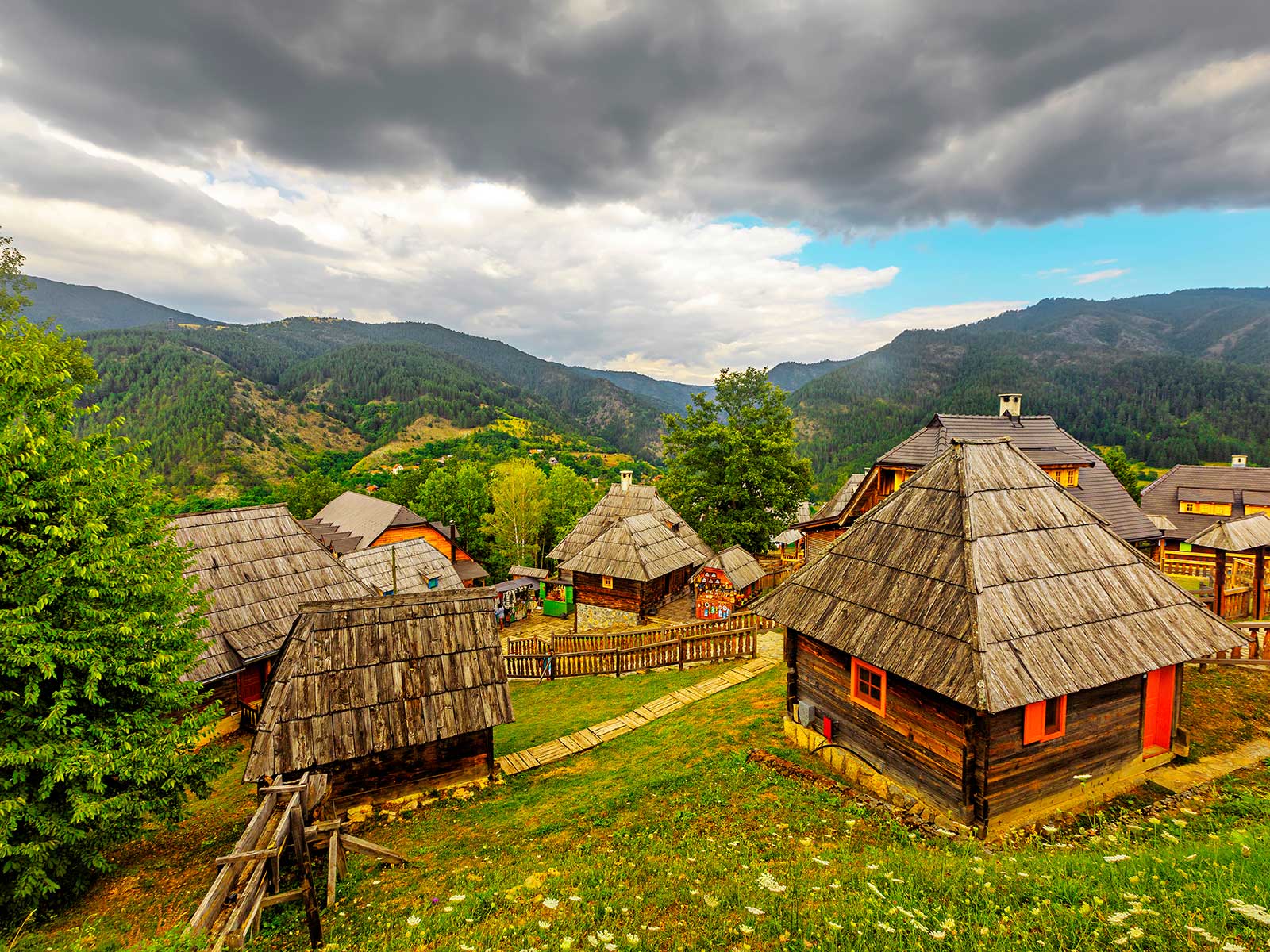
Serbia is blessed with stunning natural beauty, from the dramatic curves of the Uvac Canyon to the pristine wilderness of Tara National Park. Serbs enjoy spending time outdoors, whether hiking, exploring traditional villages like those around Mokra Gora, or simply enjoying the tranquil beauty of a place like Kućica na Drini. When venturing into nature, always respect the environment and local regulations.
Common Superstitions and Beliefs
Like many cultures, Serbia has its share of superstitions. While not everyone adheres to them strictly, they are part of the cultural fabric:
- Knocking on Wood:To ward off bad luck or "tempting fate" after saying something positive.
- Evil Eye:Some believe in the evil eye and may wear small charms or perform rituals to protect against it.
- Spilling Water:Accidentally spilling water can be seen as a sign of good luck, especially before a journey.
Conclusion: Your Serbian Adventure Awaits
Visiting Serbia is an immersive experience, rich in history, natural beauty, and above all, authentic human connection. By familiarizing yourself with these cultural nuances, you'll not only navigate with greater ease but also open doors to unforgettable interactions and a deeper appreciation for this captivating country. So pack your bags, prepare your "Živeli!", and get ready to discover the warm heart of Serbia.