
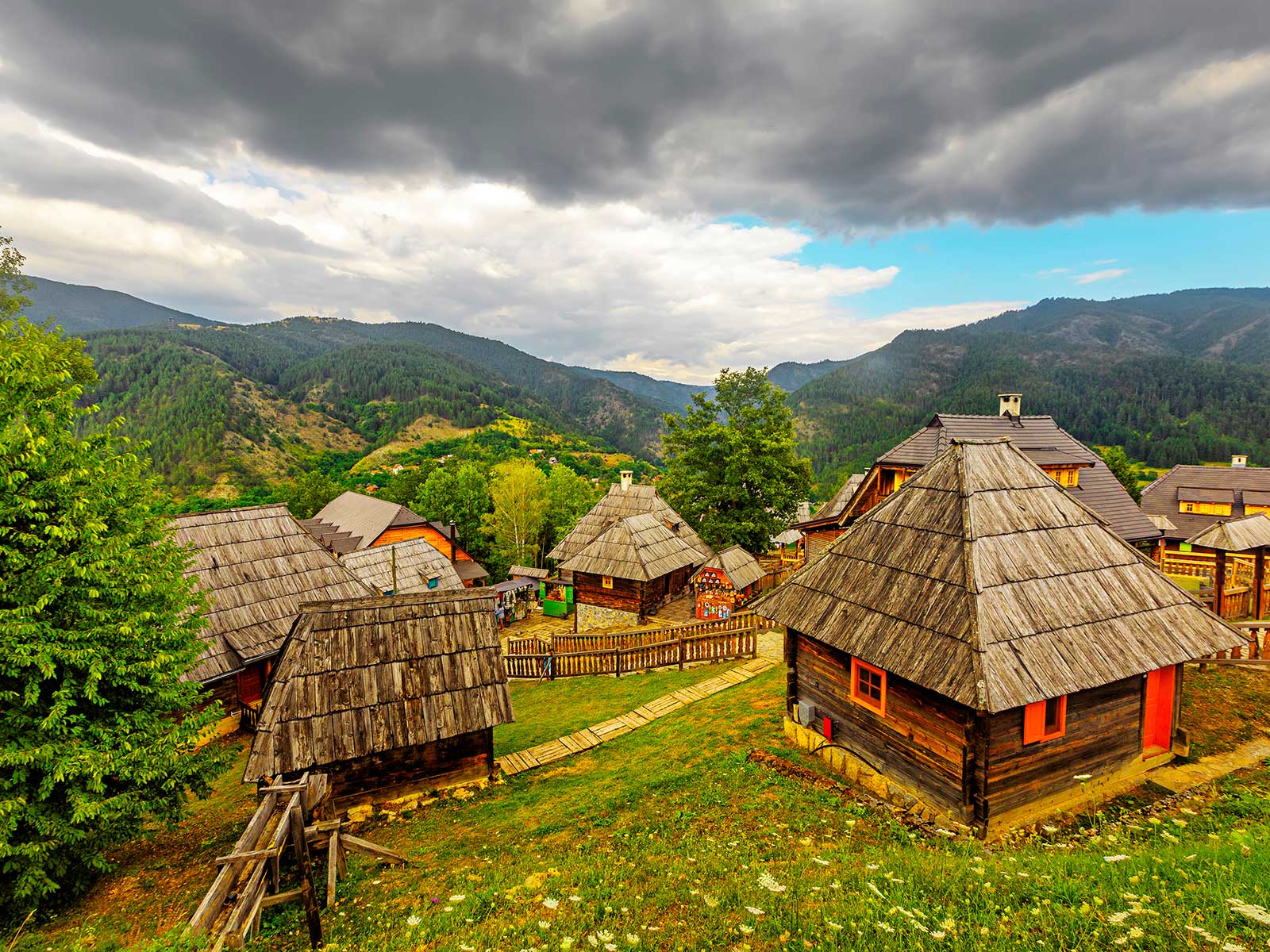
Renting a Car in Serbia: Tips for Road Trippers
Embarking on a road trip through Serbia offers unparalleled freedom to explore its diverse landscapes, rich history, and vibrant culture at your own pace. Renting a car is often the best way to uncover hidden gems, from ancient fortresses to breathtaking natural wonders, far beyond the well-trodden tourist paths.
This comprehensive guide provides essential tips for a smooth and enjoyable car rental experience, ensuring your Serbian adventure is one for the books.
Why Rent a Car in Serbia?
While public transport connects major cities, a rental car unlocks the true potential of a Serbian adventure. Imagine driving along the Danube, stopping at the majestic Golubac Fortress, or navigating the scenic routes to the unique Uvac Canyon. A car grants you the flexibility to deviate from schedules, discover charming villages, and access national parks like Tara National Park, making your journey truly your own.
Choosing Your Rental Car
The type of car you choose can significantly impact your road trip experience. Consider the following when making your selection:
Car Type
- Compact Cars:Ideal for city driving, easier to park in bustling areas like Belgrade near Kalemegdan or Novi Sad around Petrovaradin Fortress, and more fuel-efficient.
- Mid-size or Sedan:Offers more comfort for longer distances and extra luggage space, suitable for touring the country.
- SUVs/Crossovers:Recommended if you plan to venture into more rural or mountainous regions, such as those leading to Uvac Canyon or Devil's Town (Đavolja varoš), where roads might be less paved.
Manual vs. Automatic Transmission
Most rental cars in Serbia, especially from local agencies, are manual (stick shift). If you prefer an automatic, be sure to request it specifically and book well in advance, as availability might be limited, and they often come at a higher rental rate.
Insurance Essentials
Understanding your insurance options is crucial for peace of mind. Standard rentals typically include:
- Collision Damage Waiver (CDW):Covers damage to the rental car, usually with an excess (deductible).
- Theft Protection (TP):Covers the cost of the car if it's stolen, also usually with an excess.
- Third-Party Liability:Covers damage or injury to other people or their property.
Consider purchasingSuper Collision Damage Waiver (SCDW)or a similar full coverage option to reduce or eliminate your excess. Check if your personal car insurance or credit card offers rental car coverage abroad.
Expert Tip:Always inspect the vehicle thoroughly for existing damage before driving off and take photos or videos. Ensure any damage is noted on the rental agreement to avoid disputes later.
Booking Your Car Rental
Planning ahead is key to securing the best deal and car for your needs.
Local vs. International Agencies
You'll find both international brands (Hertz, Avis, Europcar, Budget) and reputable local Serbian rental companies. International agencies often have a wider selection and clearer English-language contracts. Local agencies might offer more competitive rates and a more personal service. Research reviews for both before booking.
Online Booking Tips
- Book your car online in advance, especially during peak season, to secure better rates and availability.
- Compare prices across different platforms and rental companies.
- Read the terms and conditions carefully, paying attention to fuel policy, mileage limits, and additional fees.
Required Documents
When picking up your car, you will need:
- Valid Driver's License:Your domestic license is usually accepted for short stays (up to 90 days). However, anInternational Driving Permit (IDP)is highly recommended for non-EU/EEA license holders and may be required by some rental companies or local authorities.
- Passport or ID Card:For identification purposes.
- Credit Card:In the primary driver's name, for the security deposit. Debit cards are generally not accepted for deposits.
- Rental Voucher:If you booked through a third-party site.
Age Requirements
Most rental companies require drivers to be at least 21 years old, and some may charge a young driver's fee for those under 25. There might also be an upper age limit.
Driving in Serbia: What You Need to Know
Familiarizing yourself with local driving customs and regulations will make your journey safer and more enjoyable.
Road Conditions
Major highways (autoput) connecting cities like Belgrade and Novi Sad, or heading south towards Niš, are generally well-maintained. However, once you venture onto regional and rural roads, conditions can vary significantly, with potholes and narrower lanes being more common. Be particularly cautious when driving through mountainous areas or smaller villages, for instance, on your way to Mokra Gora or the scenic Kućica na Drini.
Traffic Laws and Regulations
- Drive on the Right:Like most of continental Europe.
- Seatbelts:Mandatory for all occupants.
- Headlights:Mandatory to be on at all times, even during the day.
- Speed Limits:Generally 50 km/h in urban areas, 80 km/h on regional roads, 100 km/h on expressways, and 130 km/h on highways. Always observe posted signs.
- Alcohol Limit:Strictly enforced, with a very low blood alcohol content limit. It's best to avoid alcohol entirely if you're driving.
- Mobile Phones:Use of handheld mobile phones while driving is prohibited.
Vignettes and Tolls
Serbia does not use a vignette system. Instead, tolls are paid directly at toll booths on highways. You can pay with cash (Serbian Dinars or Euros, though change in Euros might not always be available) or credit/debit card. Some toll booths offer an electronic toll collection system (TAG device), but this is usually for local drivers.
Parking
In larger cities, parking can be challenging. Belgrade and Novi Sad operate a zone parking system (red, yellow, green zones with varying time limits and costs), paid via SMS or parking machines. Look for designated parking garages or lots, especially when visiting popular attractions like the Temple of Saint Sava or exploring the center of Subotica near Subotica City Hall. In smaller towns, street parking is often easier and free.
Fuel Stations
Fuel stations are plentiful, especially along main roads and highways. They typically offer Euro Diesel, BMB 95 (unleaded 95), and BMB 98 (unleaded 98). Many stations are open 24/7, and most accept credit cards.
Emergency Numbers
- Police:192
- Ambulance:194
- Fire:193
- Roadside Assistance (AMSS):1987
Essential Tips for Road Trippers
GPS and Navigation
A reliable GPS or navigation app (like Google Maps or Waze) is indispensable. Download offline maps before you travel, especially if you plan to explore areas with limited mobile signal, such as parts of Fruška Gora National Park or remote routes to Skull Tower (Ćele kula).
Border Crossings
If you plan to drive into neighboring countries, inform your rental company in advance. They will need to provide specific documentation (e.g., a green card for insurance) and may charge a cross-border fee. Without proper authorization, you might be denied entry or face legal issues.
Seasonal Considerations
- Winter (November 1 - April 1):Winter tires are mandatory during this period, regardless of weather conditions. Snow chains must also be carried in the vehicle and used when indicated by road signs.
- Summer:Be prepared for hot weather. Ensure your car has working air conditioning and carry plenty of water.
Roadside Assistance
Most rental companies provide 24/7 roadside assistance. Keep their contact number handy, along with the national AMSS number (1987) for general road assistance.
Exploring Beyond Belgrade
A rental car truly shines when you venture beyond the capital. Drive west to explore the Drina River region, including the famous Kućica na Drini, or head south to witness the geological marvel of Devil's Town (Đavolja varoš). The northern plains of Vojvodina, with their charming towns like Subotica and the peaceful monasteries of Fruška Gora, are also easily accessible by car.
Returning Your Rental Car
When returning your vehicle:
- Fuel Policy:Adhere to the agreed-upon fuel policy (e.g., "full to full"). Document the fuel level with a photo.
- Inspection:Allow ample time for the rental agent to inspect the vehicle. Make sure any new damage is noted, and you receive a final receipt confirming the return condition.
- Documentation:Keep all rental documents for a few months after your trip, just in case of any post-rental queries.
Renting a car in Serbia is a fantastic way to immerse yourself in the country's beauty and culture. With these tips in mind, you're well-equipped for an unforgettable road trip adventure!