
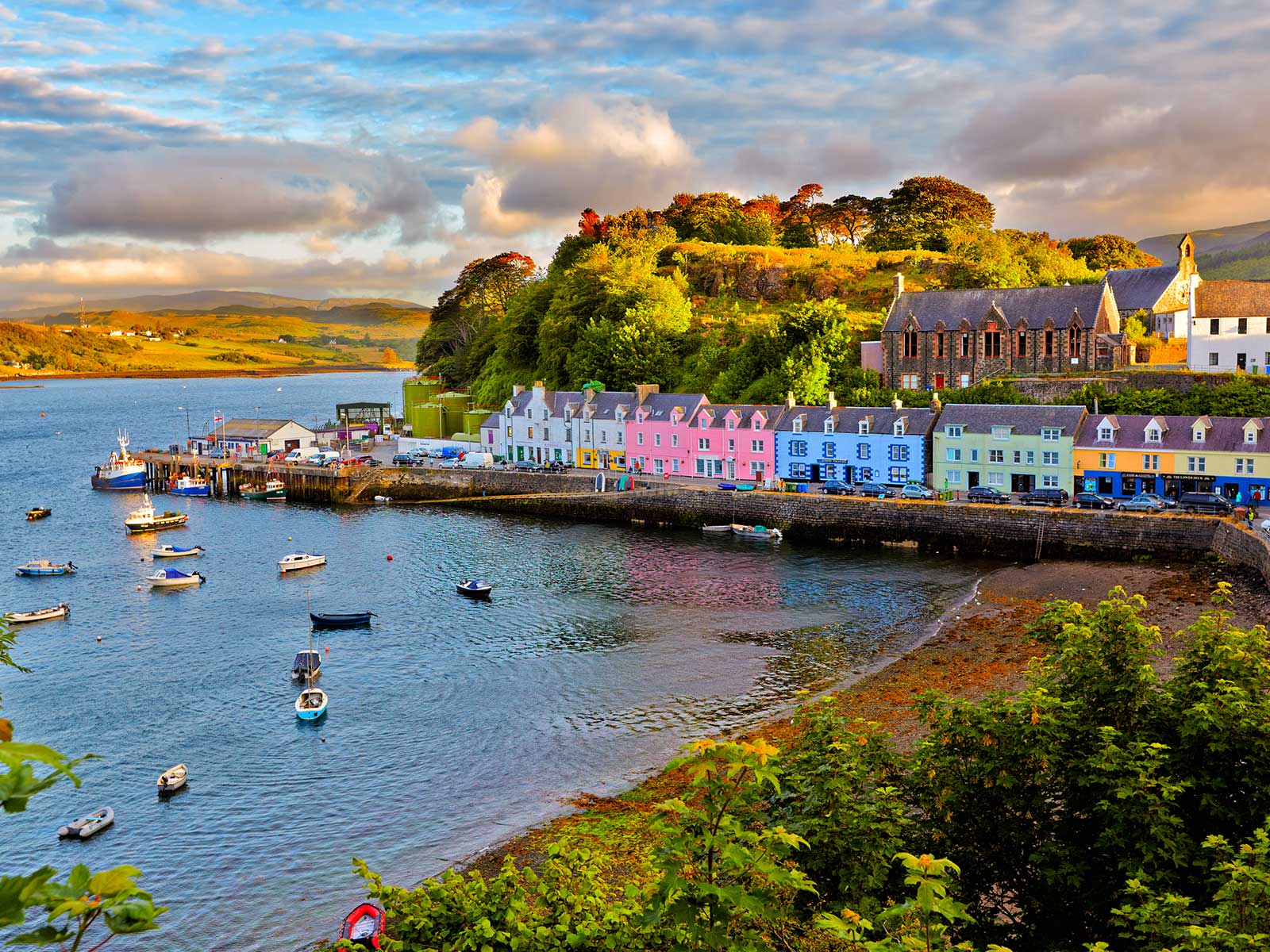
The Shetland Islands: Remote Beauty, Viking Heritage & Abundant Wildlife
The Shetland Islands, an archipelago perched on the edge of the North Sea, offer a truly unique Scottish experience unlike any other. This remote outpost, closer to Bergen than Edinburgh, blends dramatic coastal scenery with a rich Norse past and an astounding array of wildlife, beckoning intrepid travellers to its shores. It's a land where ancient history is palpable and nature reigns supreme.
Getting There
Reaching these distant islands is part of the adventure. Flights from major Scottish cities like Glasgow and Edinburgh are the quickest option, landing at Sumburgh Airport on Shetland's southern tip. Alternatively, an overnight ferry from Aberdeen provides a more leisurely journey, often stopping at the Orkney Islands before continuing north to Lerwick. This allows you to bring a car and wake up to the islands' unique landscape.
Viking Heritage
The Norse influence in Shetland is undeniable, far more pronounced than in many other parts of Scotland. For centuries, Shetland was part of Norway, and its language, culture, and place names bear witness to this deep-rooted past.
One of the most spectacular manifestations of this heritage isUp Helly Aa, Europe's largest fire festival, held annually in Lerwick. This vibrant event sees islanders celebrate their Viking roots with torch-lit processions and the spectacular burning of a replica longship, culminating in a night of revelry. Visitors keen to delve deeper into the historical layers should exploreJarlshof, an extraordinary archaeological site near Sumburgh Airport. Here, you can walk through over 4,000 years of human settlement, from Stone Age houses and Bronze Age villages to Iron Age brochs, Pictish wheelhouses, Viking longhouses, and medieval farmsteads, all exposed by coastal erosion.
Abundant Wildlife
Shetland is a haven for nature lovers, boasting some of the most accessible and diverse wildlife in the UK. Birdwatching is a major draw, especially during the nesting season from May to July. Cliffs teem with tens of thousands of seabirds, including the iconicpuffinswith their colourful beaks, majestic gannets, agile guillemots, and striking razorbills. Stellar locations like Sumburgh Head and Hermaness are particularly renowned for their bustling bird colonies.
Shetland is home to over a million breeding seabirds during the summer months, making it one of Europe's top birdwatching destinations and a truly spectacular sight to behold.
Beyond the avian spectacle, the surrounding waters are rich with marine life. Keep an eye out for gracefulottersmeticulously hunting along the coastline, playfulsealsbasking on sunny rocks, and various species of whales and dolphins. Orcas (killer whales), minke whales, and harbour porpoises are frequently spotted from shore or on dedicated boat trips, offering thrilling encounters with the wild.
Stunning Landscapes
The islands' dramatic coastline is a masterpiece of nature, sculpted by the relentless power of the North Sea. Towering cliffs, sea stacks, and natural arches plunge into the wild waters, interspersed with secluded sandy beaches and sheltered voes (sea inlets). The geology is fascinating, with ancient rock formations telling tales of volcanic activity and glacial erosion over millennia. Exploring these rugged shores offers breathtaking vistas at every turn, often feeling as though you've reached the very edge of the world. From the black sand beaches of St Ninian's Isle to the red granite cliffs of Eshaness, the landscape is endlessly varied and awe-inspiring.
Things to Do & See
Lerwick: Shetland's Vibrant Capital
As the main town and only burgh, Lerwick is the administrative and cultural hub of island life. Its historic waterfront, known as "The Lanes," offers charming walks past old fishing boats, traditional stone buildings, and independent shops. Visit theShetland Museum and Archivesto gain a comprehensive understanding of the islands' history, culture, and natural environment through engaging exhibits. Enjoy local seafood in one of the town's welcoming eateries or explore Fort Charlotte, an 18th-century artillery fort guarding the harbour.
Ancient Wonders: Jarlshof & Mousa Broch
We've already touched upon the incredible multi-period site of Jarlshof, but it's worth reiterating its importance as a window into Shetland's past. A short boat trip south of Lerwick leads to the uninhabited island of Mousa, home to the best-preserved Iron Age broch in Scotland. TheMousa Brochstands almost intact at over 13 metres high, a remarkable feat of ancient engineering dating back over 2,000 years. Boat trips to Mousa offer not only the chance to explore this incredible structure but also to observe its resident storm petrels, which nest within its walls in summer.
Wild Beauty: Hermaness, Eshaness & Sumburgh Head
For unparalleled natural grandeur, head north to Unst, Shetland's most northerly island, and exploreHermaness National Nature Reserve. This dramatic headland is a symphony of seabirds, particularly puffins and gannets, and rugged cliffs, offering spectacular views across the turbulent waters to Muckle Flugga lighthouse. On the mainland, theEshaness Cliffsin the north-west are equally impressive, featuring a lighthouse and a coastal path that offers panoramic views of stacks, caves, and arches sculpted by the relentless sea. Further south,Sumburgh Head Lighthouse and RSPB Reserveis another must-visit, providing fantastic opportunities to view puffins, guillemots, and razorbills from close, accessible viewing platforms.
Island Hopping: Unst, Yell & Fetlar
Shetland is an archipelago of over 100 islands, with only 15 inhabited. Taking ferries to explore some of the larger northern islands like Unst, Yell, and Fetlar is highly recommended. Each island has its own distinct character, from Yell's expansive peatlands and rich archaeological sites to Unst's dramatic cliffs and vibrant birdlife, and Fetlar's tranquil beauty, often dubbed the "Garden of Shetland" for its greener landscapes and rare birds. These inter-island ferries are efficient and offer scenic journeys.
Meet the Shetland Ponies
No visit to Shetland would be complete without encountering the iconicShetland pony. These hardy, gentle creatures have roamed the islands for thousands of years, perfectly adapted to the harsh environment with their thick coats and sturdy build. You'll spot them grazing in fields and crofts across the islands, a charming and enduring symbol of Shetland's rugged appeal.
Local Culture & Cuisine
Shetland's culture is a vibrant blend of Norse and Scottish traditions, expressed through its music, crafts, and community spirit. Traditional music, particularly fiddle playing, is a strong part of the community, with many local festivals and ceilidhs showcasing this talent. Hand-knitted Shetland woolens are world-renowned; visitors can find beautiful jumpers, scarves, and hats crafted using traditional Fair Isle and lace knitting techniques. When it comes to food, fresh seafood is paramount – enjoy succulent scallops, plump mussels, fresh salmon, and a variety of white fish caught daily from the pristine waters. Local lamb and beef are also of exceptional quality, reflecting the islands' pure environment.
Best Time to Visit
The summer months (June to August) offer the longest daylight hours, often stretching to nearly 19 hours, milder weather, and the best opportunities for wildlife spotting, particularly seabirds. This is also when most festivals and events take place, including folk festivals and agricultural shows. Spring and autumn can be beautiful too, with fewer crowds, dramatic skies, and opportunities for spotting migrating birds, though weather is more unpredictable. Winter brings wilder weather, but also the chance to witness the spectacular Northern Lights (Aurora Borealis) dancing across the night sky, and, of course, the unique Up Helly Aa festival in January.
Practical Tips for Your Shetland Adventure
- Weather:Be prepared for all four seasons in one day. Layers are essential, along with waterproof and windproof outerwear, regardless of the time of year.
- Accommodation:Book well in advance, especially for summer travel, as options can be limited. Options range from hotels and guesthouses in Lerwick to charming self-catering cottages in more remote areas.
- Transport:Renting a car is highly recommended to explore the islands at your own pace and reach more remote beauty spots. Ferries efficiently connect the main islands, and local bus services are available, though less frequent.
- Connectivity:While remote, mobile coverage is generally good in populated areas and towns, though it can be patchy in more isolated spots. Many accommodations offer Wi-Fi.
Conclusion
The Shetland Islands truly represent a unique corner of Scotland, offering an escape to a place where ancient history meets breathtaking nature. From its proud Viking heritage to its abundant wildlife, stunning coastal landscapes, and warm island hospitality, Shetland promises an unforgettable adventure for those willing to venture off the beaten path. Come and discover this remote beauty for yourself, and experience a side of Scotland that is truly wild and captivating.