
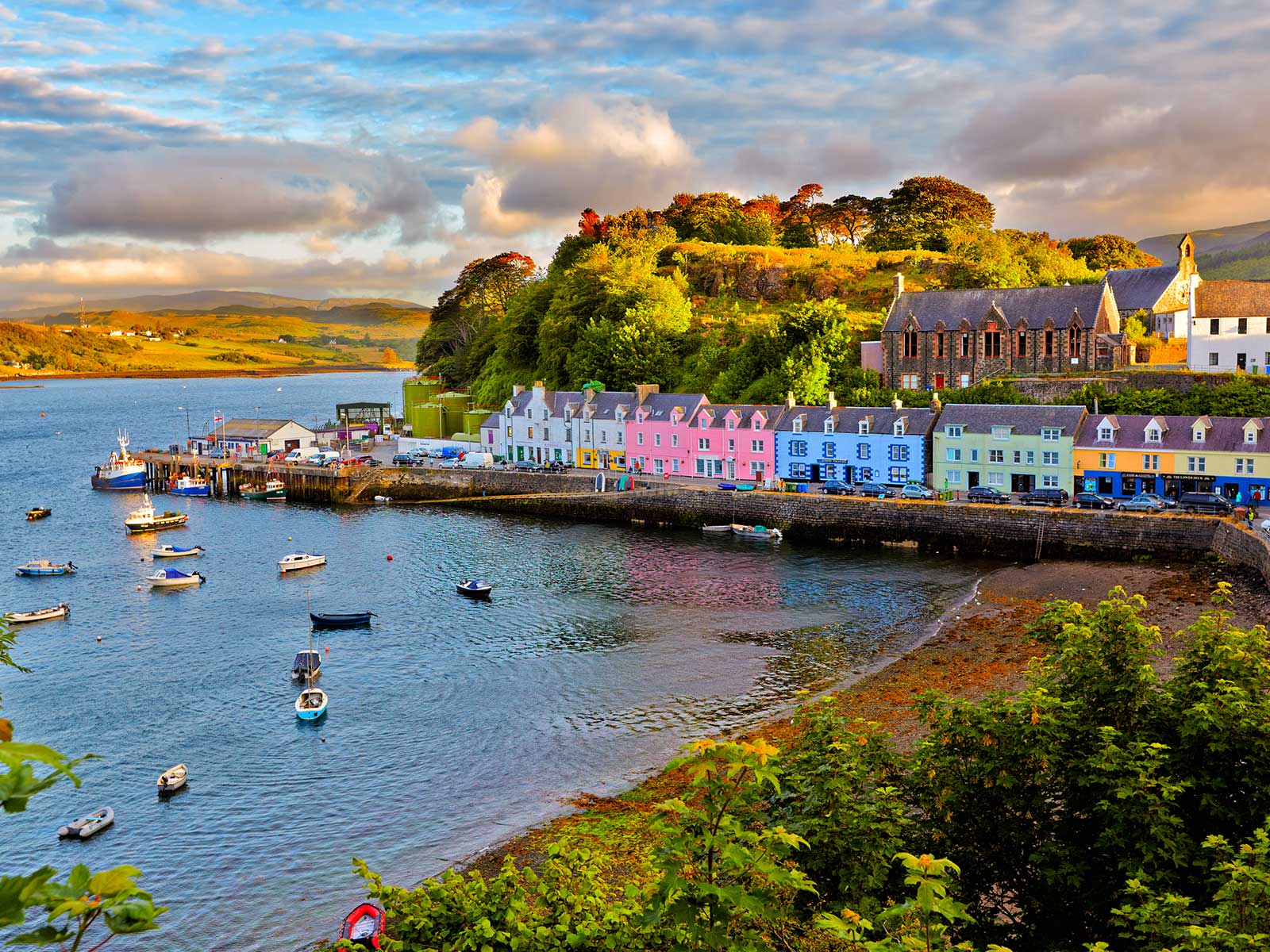
The Orkney Islands: Ancient History, Stunning Scenery & Unique Wildlife
Nestled off the northern coast of mainland Scotland, the Orkney Islands offer a captivating blend of ancient history, breathtaking natural beauty, and a thriving array of unique wildlife. This archipelago invites travelers to step back in time, immerse themselves in dramatic landscapes, and discover a vibrant island culture that is truly one-of-a-kind.
A Glimpse into Orkney's Ancient Past
Orkney is a treasure trove for history enthusiasts, boasting some of Europe's best-preserved Neolithic sites. These prehistoric monuments, collectively designated a UNESCO World Heritage Site known as the "Heart of Neolithic Orkney," provide an unparalleled window into life over 5,000 years ago.
- Skara Brae:Older than the pyramids, this remarkably preserved Neolithic village reveals stone-built houses, hearths, and even stone furniture, offering an intimate look at daily life for its early inhabitants.
- Ring of Brodgar:A majestic stone circle forming a perfect circle of 27 standing stones (out of an original 60), it stands as a testament to the sophisticated astronomical and ceremonial understanding of its builders.
- Stones of Stenness:Pre-dating the Ring of Brodgar, these massive megaliths are among the earliest henge monuments in Britain, hinting at profound spiritual significance.
- Maeshowe:A magnificent chambered cairn, or tomb, renowned for its intricate architecture and, famously, a wealth of Norse runic graffiti left by Viking visitors over a thousand years ago.
Did you know?The Heart of Neolithic Orkney is so significant that it's often compared to Stonehenge and Avebury, but with a unique level of preservation that allows for a deeper understanding of prehistoric life.
Beyond the Neolithic period, Orkney's history is rich with Pictish settlements and, significantly, a strong Norse heritage. For centuries, the islands were a Norse earldom, and Viking influence is evident in place names, archaeological finds, and the local dialect. St Magnus Cathedral in Kirkwall, a stunning example of Romanesque architecture, stands as a lasting legacy of this era.
World War History and Maritime Heritage
Orkney's strategic location made it a crucial naval base during both World Wars. Scapa Flow, a vast natural harbor, served as the primary anchorage for the Royal Navy's Grand Fleet. Its waters hold a poignant history, including the scuttling of the German High Seas Fleet in 1919 and the sinking of HMS Royal Oak in 1939.
Visitors can explore the remnants of this tumultuous past:
- Churchill Barriers:Built during WWII to protect Scapa Flow, these causeways now link several of the South Isles, offering scenic drives and historical insights.
- The Italian Chapel:A remarkable testament to human spirit and ingenuity, this chapel was lovingly constructed by Italian Prisoners of War using salvaged materials, transforming two Nissen huts into a beautiful place of worship.
- Diving Scapa Flow:For experienced divers, the wrecks of Scapa Flow offer an unparalleled underwater experience, exploring battleships and other vessels resting on the seabed.
Scenery That Takes Your Breath Away
The Orcadian landscape is a spectacle of dramatic cliffs, expansive sandy beaches, rolling green hills, and a unique treeless expanse that contributes to its wild beauty. The interplay of land and sea creates truly mesmerizing vistas, often bathed in the ethereal light of the northern sky.
One of Orkney's most iconic natural landmarks is theOld Man of Hoy, a spectacular sea stack rising majestically from the Atlantic waves off the island of Hoy. This towering sandstone pillar is a popular challenge for climbers and an awe-inspiring sight for all who visit.
The islands' rugged coastlines and fertile interior provide a stark contrast, offering endless opportunities for walking, cycling, and simply soaking in the tranquility. While different in character, the untamed beauty here holds its own against the dramatic vistas of the Isle of Skye or the majestic glens of Glencoe.
Unique Wildlife Encounters
Orkney is a haven for wildlife, particularly seabirds and marine mammals. Its relatively undisturbed environment and rich waters support a diverse ecosystem, making it a prime destination for nature lovers and birdwatchers.
- Seabirds:During breeding season (spring and summer), cliffs teem with thousands of birds. Look out for puffins, gannets, kittiwakes, guillemots, razorbills, and fulmars. RSPB reserves like Marwick Head and Birsay Cliffs offer excellent viewing points.
- Marine Mammals:Both common and grey seals are abundant, often seen basking on rocks or swimming gracefully offshore. Lucky visitors might also spot otters, porpoises, or even various species of whales, including orcas, minke whales, and dolphins, particularly during summer months.
- Terrestrial Wildlife:While less dramatic than the marine life, Orkney also hosts a variety of hares, voles, and a surprising array of wildflowers that carpet the machair (fertile coastal grassland) in spring and summer.
Planning Your Orkney Adventure
Visiting Orkney requires a bit of planning, but the rewards are well worth the effort. Here's what you need to know to make the most of your trip.
Getting There
Access to Orkney is primarily by ferry or air.
- Ferries:NorthLink Ferries operate daily services from Scrabster (near Thurso) to Stromness (mainland Orkney) and from Aberdeen to Kirkwall (mainland Orkney) with some services continuing to the Shetland Islands. Pentland Ferries offer a shorter crossing from Gills Bay to St Margaret's Hope (South Ronaldsay).
- Flights:Loganair provides regular flights to Kirkwall Airport (KOI) from several Scottish airports, including Glasgow, Edinburgh, Aberdeen, and Inverness.
Getting Around
Once on the islands, a car offers the most flexibility for exploring, especially to reach more remote sites. Car hire is available in Kirkwall and Stromness. Inter-island ferries connect the main island (Mainland) to many of the smaller North and South Isles, opening up further exploration. Buses operate on the Mainland, and cycling is also a popular way to experience the scenery, though be prepared for hills and changeable weather.
Best Time to Visit
The most popular time to visit Orkney is during the warmer months, from late spring to early autumn (May to September). This period offers longer daylight hours, milder weather, and the best opportunities for wildlife spotting, particularly seabirds. The shoulder seasons can offer fewer crowds and unique light, while winter provides dramatic skies and a chance to experience the islands' wilder side.
Where to Stay & Eat
Kirkwall, the capital, and Stromness, the main ferry port, are the primary hubs for accommodation, offering a range of hotels, guesthouses, and self-catering options. You'll also find charming B&Bs and cottages scattered across the islands. Orkney's food scene emphasizes fresh, local produce, with superb seafood, award-winning beef, and artisan cheeses. Don't miss trying a local ale or whisky from one of Orkney's distilleries.
Essential Tips for Visitors
Prepare for Orkney's famously changeable weather by packing layers, waterproofs, and sturdy footwear, even in summer. Booking accommodation, car hire, and inter-island ferries well in advance, especially during peak season, is highly recommended. Respect the environment, stick to marked paths, and be mindful of livestock and nesting birds.
Travel Tip:While Orcadian daylight hours are incredibly long in summer, consider bringing an eye mask if you're sensitive to light when sleeping!
Beyond the Main Islands
While Mainland Orkney offers an abundance of attractions, don't overlook the opportunity to explore the North and South Isles. Each island has its own distinct character, from the rugged beauty of Hoy and Rousay's archaeological riches to the peaceful charm of Shapinsay and Westray's stunning cliffs. These smaller islands offer a chance to experience Orkney's unique culture and natural beauty on a more intimate scale.
The Orkney Islands truly stand out as a Scottish destination, offering an unparalleled journey through millennia of history, landscapes that stir the soul, and wildlife encounters that create lasting memories. Whether you're a history buff, a nature enthusiast, or simply seeking a peaceful escape, Orkney promises an unforgettable adventure.