
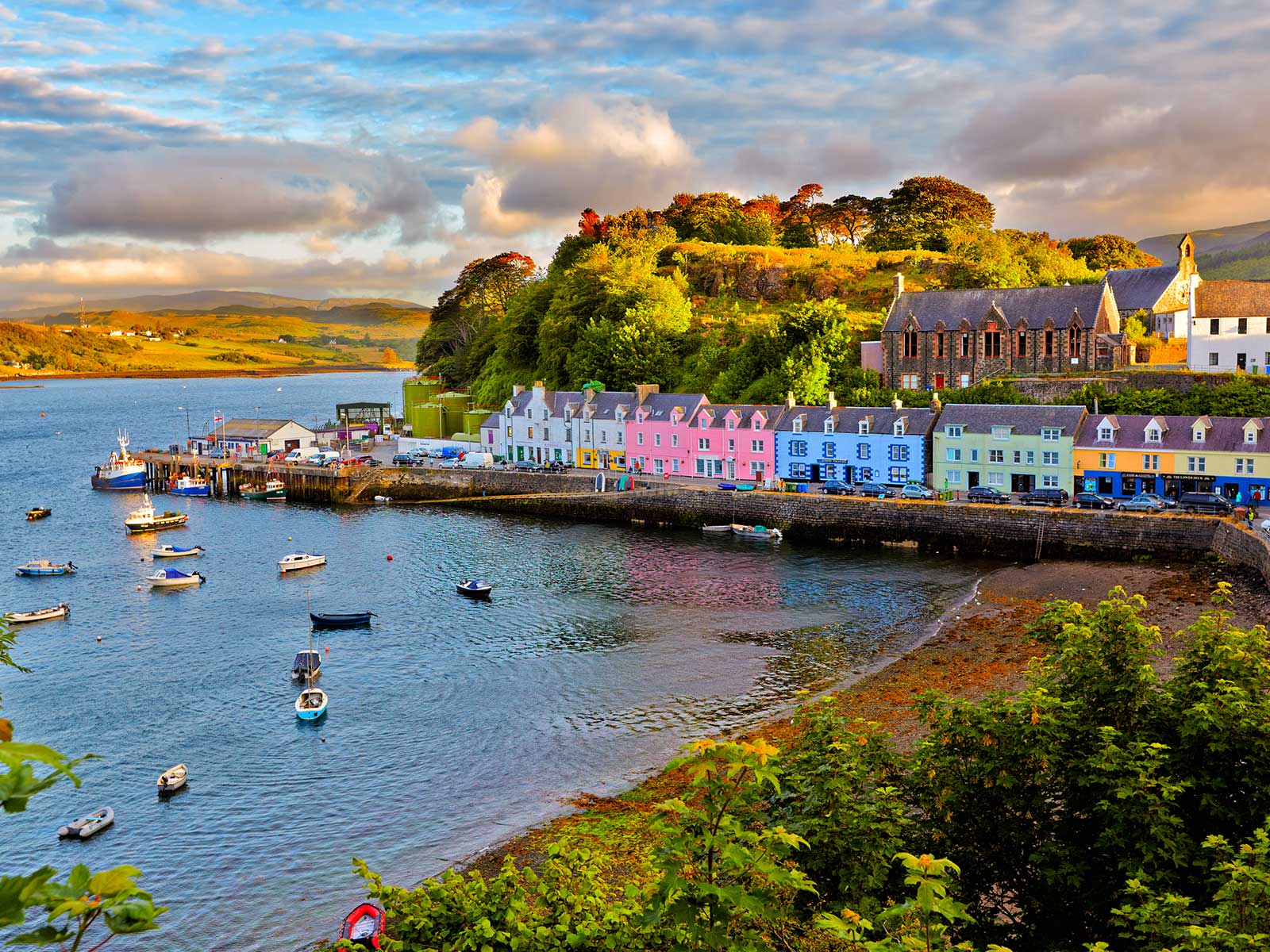
Scottish Culture & Customs: Essential Insights for Travelers
Scotland offers a rich tapestry of history, breathtaking landscapes, and a vibrant culture deeply rooted in tradition and community. To truly appreciate the heart of this captivating nation, understanding its unique customs and etiquette is key to a rewarding and respectful travel experience.
From the rugged Highlands to the bustling cities, Scottish culture is a captivating blend of ancient heritage and modern innovation. Travelers who take the time to learn about local customs will find themselves welcomed with warmth and genuine hospitality, gaining a deeper connection to this extraordinary land.
The Warmth of Scottish Hospitality
Scots are renowned for their friendliness and welcoming nature. While they might appear reserved at first, a genuine smile and an attempt to engage will often open doors to memorable interactions. Politeness and respect are highly valued, and a simple "please" and "thank you" go a long way.
Greetings and Social Etiquette
- Handshakes:A firm handshake is standard when meeting someone new.
- Eye Contact:Maintain respectful eye contact during conversations.
- Humour:Scots possess a distinctive, often dry, sense of humour. Don't be surprised by playful banter; it's often a sign of affection. Self-deprecating humour is also common.
- Personal Space:While friendly, Scots generally appreciate a reasonable amount of personal space.
Tip:Don't be afraid to ask locals for recommendations, whether it's for a scenic walk in Glencoe or the best pub in Glasgow. They often love sharing their local knowledge.
Language and Communication
While English is the primary language spoken throughout Scotland, you'll encounter a fascinating linguistic landscape. Many Scots speak with distinct accents and dialects, and you might even hear a smattering of Scots or Scottish Gaelic.
- English with a Twist:Scottish English has its own vocabulary and pronunciations. Don't worry if you don't catch every word at first; most Scots are happy to clarify.
- Scots Language:Often considered a distinct language or a dialect of English, Scots is spoken by many, particularly in the Lowlands. Words like "wee" (small), "bonnie" (beautiful), and "aye" (yes) are common.
- Scottish Gaelic:An ancient Celtic language, Gaelic is predominantly spoken in the Highlands and Islands, such as the Isle of Skye,Orkney Islands, and Shetland Islands. Road signs in these areas are often bilingual. Learning a few basic Gaelic phrases like "Fàilte" (Welcome) can be a lovely gesture.
Food and Drink: A Taste of Scotland
Scottish cuisine has come a long way from its traditional image, though classic dishes remain beloved. Be prepared for hearty, flavourful fare, often designed to warm you on a chilly day.
- Haggis:Scotland's national dish, a savoury pudding traditionally made from sheep's pluck (heart, liver, and lungs), minced with onion, oatmeal, suet, spices, and salt, encased in a sheep's stomach. Don't let the description deter you; it's surprisingly delicious, especially with "neeps and tatties" (turnips and potatoes).
- Whisky:Scotland is world-renowned for its Scotch whisky. Exploring distilleries is a popular activity, and understanding the different regions (Speyside, Islay, Highland, Lowland, Campbeltown) adds to the experience.
- Local Produce:Enjoy fresh seafood, Aberdeenshire beef, Arbroath smokies (smoked haddock), and a variety of delicious cheeses.
- Shortbread & Scones:Perfect with a cup of tea, these sweet treats are Scottish staples.
- Pub Culture:Pubs are central to Scottish social life, offering a chance to relax, enjoy a drink, and often listen to live traditional music. It's common to buy rounds if you're with a group.
Traditions and Heritage
Scotland's history is ever-present, influencing everything from its landscapes to its vibrant cultural practices.
- Kilts and Tartan:The kilt, often worn with a tartan pattern, is a powerful symbol of Scottish identity and heritage. While not everyday wear, you'll see them at formal events, weddings, and traditional gatherings. Each tartan historically represented a clan or family.
- Bagpipes:The iconic sound of the bagpipes is synonymous with Scotland. You'll likely hear them at festivals, parades, and even busking in city centres like Edinburgh Old Town.
- Ceilidhs:Pronounced "kay-lee," these are traditional Scottish social gatherings involving folk music, dancing, and storytelling. They are incredibly fun and a great way to experience local culture firsthand, even if you're a beginner dancer.
- Clans:The clan system is a significant part of Scottish history. Many Scots take pride in their clan heritage, which connects them to specific geographic areas and ancestral lines.
- Festivals and Games:Throughout the year, Scotland hosts numerous festivals and Highland Games, celebrating traditional sports, music, and dance.
Respect for the Land and Environment
Scotland's breathtaking natural beauty is deeply cherished and protected. From the mystical waters of Loch Ness to the towering peaks of Ben Nevis and the vast expanses of the Cairngorms National Park, the landscape inspires a profound respect for nature.
- The Outdoor Access Code:Scotland has a unique "right to roam," meaning you generally have the right to access most land and inland water for recreation, provided you do so responsibly. This includes leaving no trace, respecting private property, and keeping dogs under control.
- Weather Preparedness:The Scottish weather can be famously unpredictable, even in summer. Always pack layers, waterproofs, and sturdy footwear, whether you're climbing Arthur's Seat or exploring a remote glen.
- Wildlife:Be mindful of local wildlife, from red deer to eagles. Observe from a distance and never disturb animals.
Driving in Scotland
For many travelers, exploring Scotland involves driving. It's essential to be aware of local rules and road conditions.
- Drive on the Left:Always remember that traffic drives on the left-hand side of the road.
- Single-Track Roads:In rural areas, particularly the Highlands and Islands, you'll encounter single-track roads with passing places. Always use these to allow oncoming traffic to pass or if you're holding up traffic behind you. Be courteous and wave a thank you.
- Speed Limits:Adhere to posted speed limits. Distances are in miles per hour.
Final Thoughts for Travelers
Embracing Scottish culture and customs will undoubtedly enrich your journey. Be open to new experiences, engage with locals, and immerse yourself in the traditions that make this country so unique. Scotland is a land of proud heritage, stunning scenery, and incredibly warm people, all waiting to be discovered.
By approaching your travels with respect and an eagerness to learn, you'll not only have an unforgettable trip but also contribute positively to the communities you visit. Enjoy your adventure in Scotland!