
Scotland vs. Ireland: Choosing Your Perfect Celtic Adventure
Deciding between the rugged beauty of Scotland and the emerald charm of Ireland can be a delightful dilemma for any traveler seeking a Celtic escape. While both nations boast breathtaking landscapes, rich histories, and vibrant cultures, each offers a distinctly unique experience tailored to different preferences. This guide will help you navigate the choice, highlighting what makes Scotland an unforgettable destination for your next adventure.
The Allure of Scotland: A Land of Dramatic Contrasts
Scotland, a land forged by ancient glaciers and fierce histories, beckons with a captivating blend of untamed wilderness and sophisticated urbanity. From its towering munros and mysterious lochs to its bustling cities and welcoming pubs, Scotland promises an adventure that is both grand and intimately personal. It's a country where legends feel tangible and every vista tells a story.
Landscape and Scenery: Majestic Peaks and Mystical Waters
When it comes to dramatic scenery, Scotland often takes the lead with its raw, untamed beauty. While Ireland is famed for its lush "forty shades of green" and rugged coastlines like the Cliffs of Moher, Scotland offers a more varied and often more imposing geological tapestry.
The Scottish Highlands: A Realm of Epic Proportions
Imagine vast, open moorlands stretching to horizons punctuated by soaring mountain ranges. This is the heart of the Scottish Highlands. Here, you'll find the majestic peaks of Ben Nevis, the UK's highest mountain, offering unparalleled hiking challenges and rewarding views. The dramatic glens, carved by glaciers, evoke a sense of ancient power and tranquility. Places like Glencoe are renowned for their breathtaking, often moody, landscapes, perfect for photographers and outdoor enthusiasts.
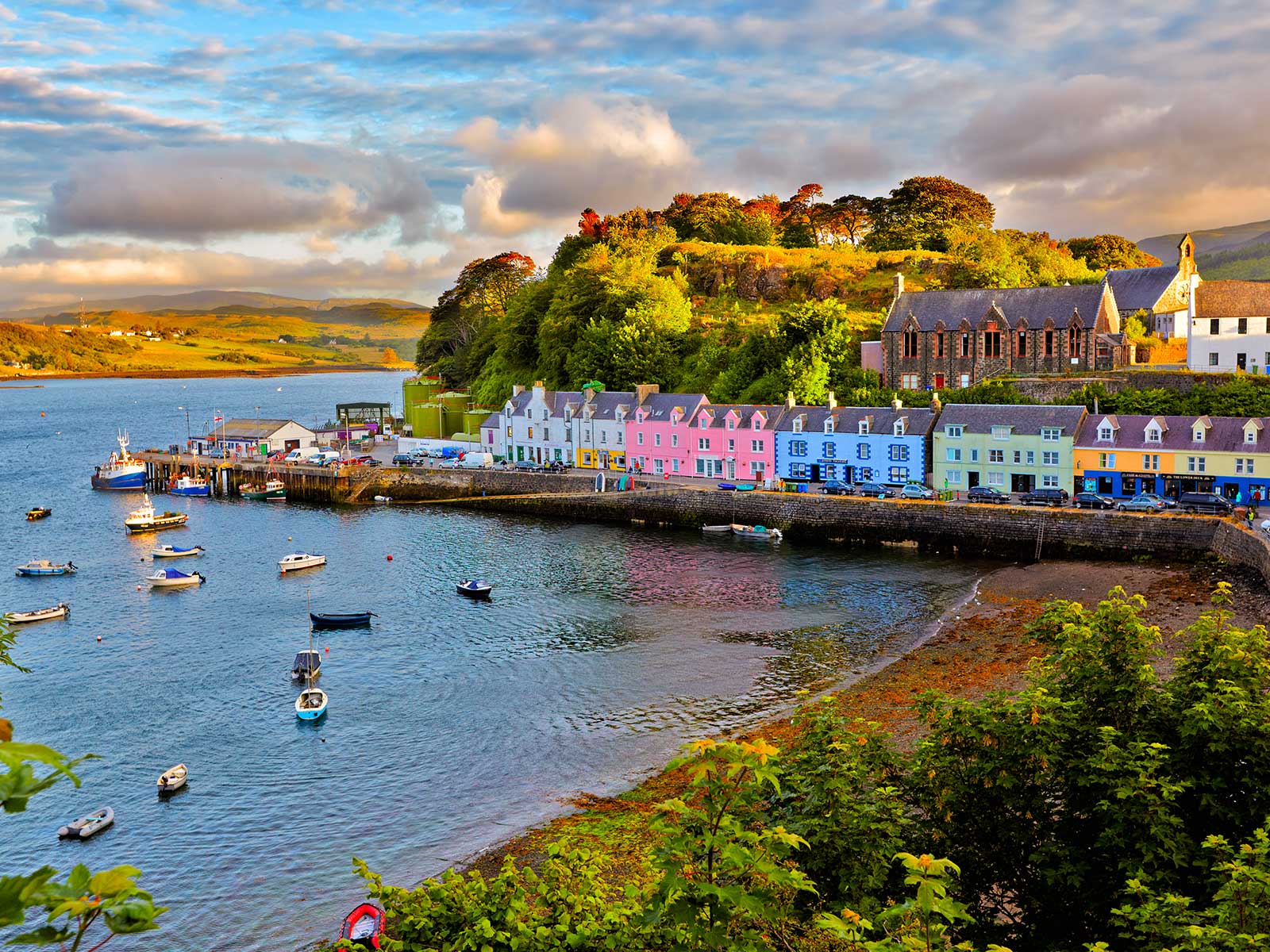
Scotland is also home to thousands of freshwater lochs, none more famous than Loch Ness, shrouded in the mystery of its legendary monster. Beyond the mainland, the Scottish islands offer their own distinct charm. The Isle of Skye, with its fantastical rock formations like the Old Man of Storr and the Quiraing, feels like stepping into a fairy tale. Further north, the remote Orkney Islands and Shetland Islands boast windswept coastlines, abundant wildlife, and some of Europe's best-preserved prehistoric sites.
Did you know?The Cairngorms National Park is the largest national park in the UK, covering over 4,500 square kilometers. It's home to four of Scotland's five highest mountains and a vast array of wildlife, including red squirrels, ospreys, and golden eagles.
Ireland's Verdant Charm (A Brief Contrast)
Ireland, by contrast, is often characterized by its gentler, rolling green hills and patchwork fields. While it has its own dramatic coastal features, the overall impression is one of lushness and verdancy. If your ideal landscape involves endless shades of green and picturesque pastures, Ireland delivers. However, for those seeking rugged, mountainous grandeur and expansive, wild vistas, Scotland's unique topography is often the stronger draw.
History and Culture: Clans, Castles, and Ancient Civilizations
Both Scotland and Ireland share deep Celtic roots, but their historical narratives and cultural expressions have diverged significantly, offering distinct flavors of heritage.
Scotland's Rich Tapestry of History
Scotland's history is a dramatic saga of kings, queens, clans, and fierce independence. Its landscape is dotted with magnificent castles, each with a story to tell – from the iconic Edinburgh Castle perched atop a volcanic crag, overseeing the historic Edinburgh Old Town, to the romantic Eilean Donan Castle, beautifully situated on a small tidal island. The legacy of clan warfare, Bonnie Prince Charlie, and the Jacobite risings permeates much of the country, particularly in the Highlands.
Beyond medieval history, Scotland boasts incredible prehistoric heritage. The Orkney Islands, for example, are a UNESCO World Heritage site, home to the Neolithic village of Skara Brae, the Ring of Brodgar, and Maeshowe, offering a glimpse into life over 5,000 years ago. The Shetland Islands also feature significant archaeological sites, including the Broch of Mousa, one of the best-preserved Iron Age round towers.
Culturally, Scotland is synonymous with the skirl of bagpipes, the energetic whirl of a ceilidh (traditional social gathering with folk music and dancing), and the distinct tartan patterns of its clans. These traditions are not just for tourists; they are living parts of Scottish identity.
Ireland's Monastic Legacy (A Brief Contrast)
Ireland's historical narrative often revolves around its ancient monastic sites, Viking invasions, and the long struggle for independence from British rule. Its cultural symbols include the harp, shamrock, and the lively "trad sessions" found in its pubs. While both countries offer a warm welcome, Scottish hospitality often comes with a directness and a dry wit that is uniquely Highland, while Irish warmth is often characterized by its legendary craic.
Cities and Urban Experiences: From Historic Charm to Modern Vibrancy
While Scotland offers unparalleled natural beauty, its cities provide a dynamic contrast, blending ancient history with contemporary culture.
Edinburgh: A City of Enchantment
Edinburgh, Scotland's capital, is arguably one of Europe's most beautiful cities. Its UNESCO-listed Old Town, with its cobbled streets, closes, and the majestic Edinburgh Castle, feels like stepping back in time. The city also boasts the elegant Georgian New Town, world-class museums, and a vibrant arts scene, particularly during the Edinburgh Fringe Festival. Hiking up Arthur's Seat, an ancient volcanic peak, offers panoramic views of the city and beyond.
Glasgow: The Cultural Powerhouse
Glasgow, Scotland's largest city, offers a different urban experience. Known for its Victorian architecture, thriving music scene, and friendly locals, Glasgow is a hub of creativity and innovation. It boasts numerous free museums and galleries, fantastic shopping, and a reputation as a UNESCO City of Music. For those seeking a vibrant, contemporary city with a rich industrial heritage, Glasgow is an excellent choice.
Irish Cities (A Brief Contrast)
Irish cities like Dublin offer their own charm, particularly with their literary heritage and vibrant pub culture. However, Edinburgh's dramatic skyline and historical depth, combined with Glasgow's artistic energy, provide a diverse urban offering that often appeals to travelers looking for more than just a lively pub scene.
Activities and Adventures: From Mountain Trails to Whisky Trails
Scotland is an outdoor enthusiast's dream and a connoisseur's delight.
Outdoor Pursuits
For hikers, climbers, and cyclists, Scotland offers endless opportunities. Scaling Ben Nevis, exploring the wild trails of the Cairngorms National Park, or sea kayaking around the Isle of Skye are just a few examples. The country's varied terrain supports everything from gentle lochside strolls to challenging multi-day treks. Wildlife watching is also a major draw, with opportunities to spot red deer, eagles, puffins, and even whales and dolphins along the coast.
The Whisky Trail
Scotland is globally renowned for its Scotch whisky, and a visit wouldn't be complete without exploring a distillery. From the peaty malts of Islay to the Speyside region's lighter, fruitier drams, the variety is immense. Many distilleries offer tours and tastings, providing fascinating insights into the production process and the country's distilling heritage. This is a distinctly Scottish experience, differentiating it from Ireland's equally excellent but stylistically different Irish whiskey.
Food and Drink: A Taste of Scotland
Scotland's culinary scene has evolved significantly, moving beyond traditional fare to embrace its rich larder of fresh, local produce.
While haggis remains an iconic dish, modern Scottish cuisine emphasizes quality ingredients. The country is famous for its incredible seafood, particularly salmon, scallops, and langoustines, fresh from its pristine waters. Game meats, Aberdeen Angus beef, and delicious soft fruits are also staples. Traditional Scottish breakfasts, hearty stews, and a wide array of baked goods provide comforting sustenance for your adventures.
And, of course, the aforementioned Scotch whisky is a cultural institution. Sampling different regional styles is an essential part of the Scottish experience, offering a depth and complexity not easily matched elsewhere.
Practical Considerations for Your Scottish Journey
Choosing Scotland also comes with practical advantages for certain types of travel.
Getting Around
Scotland offers a robust public transport network, including trains and buses connecting major cities and many rural areas. For exploring the more remote Highlands and islands, hiring a car provides maximum flexibility, allowing you to truly immerse yourself in the landscape at your own pace. Ferries are essential for island hopping, offering scenic journeys across the sea.
When to Visit
The shoulder seasons (April-May and September-October) often provide the best balance of milder weather, fewer crowds, and stunning natural beauty, especially with autumn colors or spring blooms. Summer (June-August) offers the longest daylight hours and warmest temperatures, ideal for outdoor activities, but also sees the highest visitor numbers.
Why Scotland is Your Perfect Celtic Adventure
If your vision of a Celtic adventure includes dramatic, untamed landscapes, ancient castles steeped in legend, vibrant cities brimming with culture, and the chance to delve into the world of Scotch whisky, then Scotland is undoubtedly calling your name. It offers a unique combination of rugged grandeur, profound history, and genuine warmth that promises an unforgettable journey.
While Ireland offers its own undeniable charm, for travelers seeking epic scenery, a tangible sense of ancient history, and a rich, distinctive culture that feels both wild and welcoming, Scotland provides a truly unparalleled experience. Pack your hiking boots, prepare for breathtaking vistas, and get ready to discover the magic of Caledonia.