
Isle of Skye Travel Guide: Exploring Fairy Glens, Lochs & Landscapes
Embark on an unforgettable journey to the Isle of Skye, a jewel in Scotland's crown, renowned for its dramatic landscapes, mythical allure, and vibrant Gaelic culture. This comprehensive guide will help you navigate its majestic mountains, discover its enchanting fairy glens, and experience the wild beauty that has captivated travelers for centuries.
Why Visit the Isle of Skye?
The Isle of Skye, orAn t-Eilean Sgitheanachin Gaelic, is a place where ancient myths breathe life into the rugged terrain. From the iconic Old Man of Storr to the mystical Fairy Pools, Skye offers an unparalleled blend of natural wonders, rich history, and a tranquil escape from the everyday. Its unique geology, shaped by volcanic activity and glacial erosion, creates a dramatic backdrop that inspires photographers, hikers, and dreamers alike.
Getting to the Isle of Skye
Reaching Skye is part of the adventure, offering stunning views along the way. The most common entry point is via the Skye Bridge, connecting the island to the mainland near Kyle of Lochalsh.
- By Car:Driving is highly recommended for exploring Skye, offering the flexibility to stop at countless scenic viewpoints. Major routes from cities like Glasgow or Edinburgh Old Town will take you through breathtaking Scottish Highlands scenery, often passing close to areas like Glencoe.
- By Bus:Regular bus services operate from Glasgow and Inverness to Portree, Skye's capital. However, once on the island, public transport options are limited, making it challenging to reach many popular attractions without a car or guided tour.
- By Train:The nearest train stations are Mallaig (for the ferry to Armadale) and Kyle of Lochalsh (connecting to the Skye Bridge). Both offer picturesque journeys, particularly the West Highland Line to Mallaig.
- Guided Tours:Many multi-day tours depart from major Scottish cities, providing transport, accommodation, and expert guides to show you the island's highlights. This is a great option if you prefer not to drive.
When to Visit Skye: Seasons and Weather
Skye's weather is famously unpredictable, but each season offers a unique experience:
- Spring (April-May):Less crowded, fresh green landscapes, and a good chance of clear days. Temperatures are mild, but layers are essential.
- Summer (June-August):The most popular time, with long daylight hours (up to 18 hours in June). Expect larger crowds at popular sites and higher accommodation demand. Booking well in advance is crucial. Midges can also be prevalent, so be prepared!
- Autumn (September-October):Fewer crowds, stunning autumnal colours, and crisp air. Weather can be variable, but clear days offer spectacular photography opportunities.
- Winter (November-March):Quietest period, offering a serene and dramatic experience. Shorter daylight hours and colder temperatures mean some facilities might be closed, but the raw beauty is unmatched. Snow-capped peaks add to the majestic scenery.
Travel Tip:Regardless of when you visit, always pack waterproof clothing, sturdy walking boots, and multiple layers. Skye's weather can change rapidly!
Exploring Skye's Iconic Landscapes and Attractions
Skye is a paradise for adventurers and nature lovers. Here are some must-see locations:
The Trotternish Peninsula
This northern loop is home to some of Skye's most famous geological features.
- The Old Man of Storr:A dramatic rock pinnacle part of the Trotternish Ridge landslip. The hike to its base offers panoramic views across the Sound of Raasay and beyond. Allow 1.5-2 hours for the round trip.
- The Quiraing:A truly otherworldly landscape of towering pinnacles, hidden plateaus, and jagged cliffs, formed by a massive ancient landslip. There are various walking routes here, from short strolls to challenging hikes.
- Kilt Rock and Mealt Falls:A stunning sea cliff resembling a pleated kilt, with the Mealt Falls plunging 60 meters directly into the sea below. There's a convenient viewpoint accessible from the road.
- The Fairy Glen:A whimsical, miniature landscape of conical hills, mossy mounds, and tiny lochans near Uig. It's said to be a gathering place for fairies. Please walk respectfully and avoid moving stones or building cairns to preserve its natural beauty.
Central and Southern Skye
- The Fairy Pools:A series of crystal-clear, icy cold pools and waterfalls on the River Brittle, nestled at the foot of the Cuillin Mountains. They are popular for wild swimming (if you dare!) and offer a beautiful hike through a stunning valley.
- Neist Point Lighthouse:Located on the westernmost tip of Skye, this iconic lighthouse offers spectacular cliff-top views, especially at sunset. It's a popular spot for spotting whales, dolphins, and seabirds.
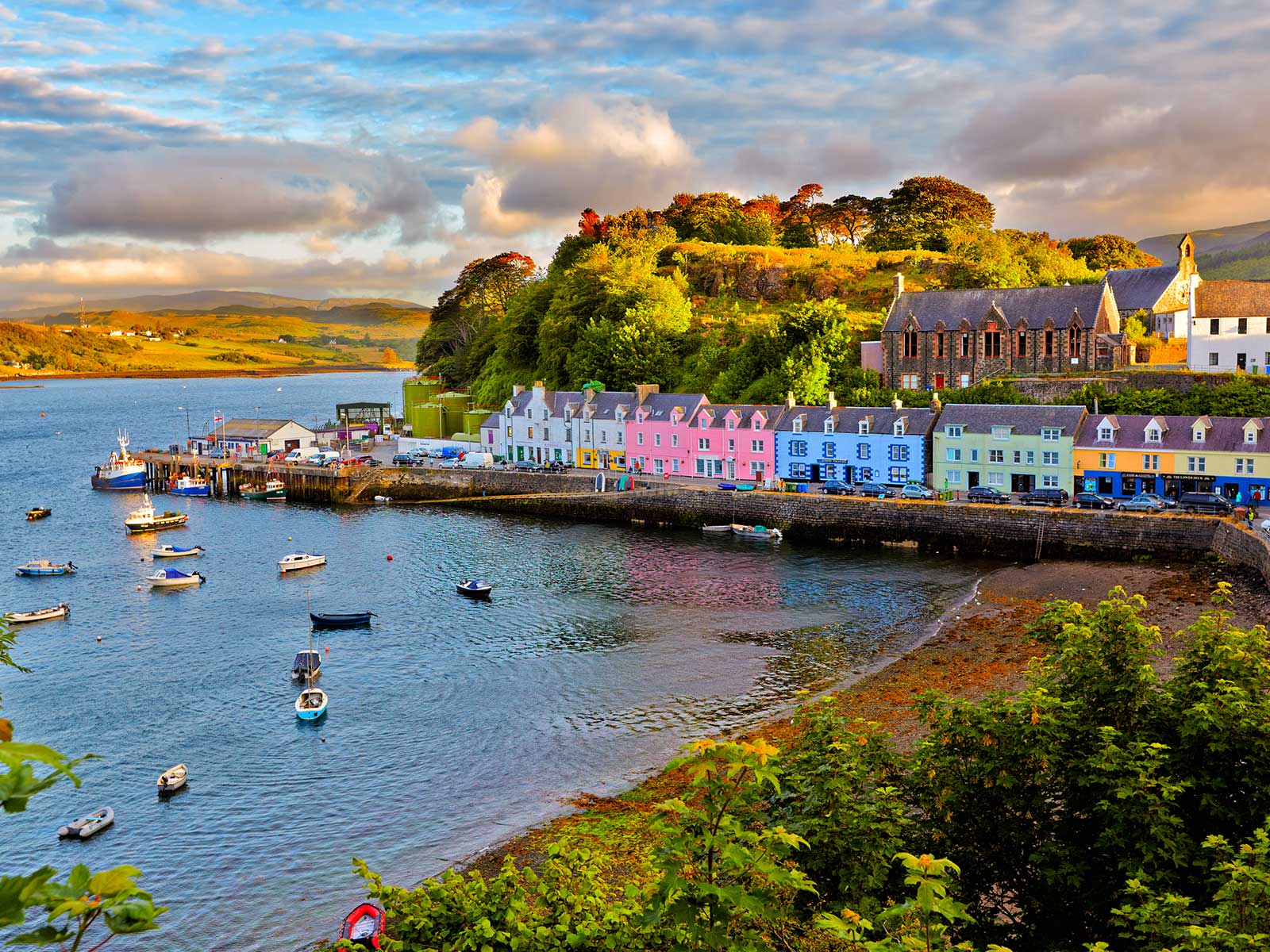
- Portree:The island's bustling capital, known for its colourful harbour-front houses. It's a great base for exploring, offering a range of accommodation, restaurants, shops, and tour operators.
- Dunvegan Castle & Gardens:The oldest continuously inhabited castle in Scotland, ancestral home of the Clan MacLeod. Explore its historic rooms, admire the Clan treasures, and wander through its beautiful formal gardens.
- Talisker Distillery:Skye's only whisky distillery, located on the shores of Loch Harport. Take a tour to learn about the whisky-making process and sample their distinctive single malt.
Accommodation and Dining
Skye offers a range of accommodation, from cozy B&Bs and guesthouses to hotels, self-catering cottages, and campsites. Due to its popularity, especially in peak season,booking well in advance is crucial– sometimes months ahead. Many options can be found in and around Portree, Broadford, Uig, and Dunvegan.
When it comes to dining, Skye boasts fresh local produce, particularly seafood. Look out for delicious scallops, mussels, and locally caught fish. Traditional Scottish fare, charming cafes, and a few fine dining establishments offer diverse culinary experiences.
Responsible Tourism on Skye
The beauty of Skye is fragile. Please help preserve it for future generations:
- Stay on marked paths:To protect delicate ecosystems and prevent erosion.
- Take all litter home:Leave no trace.
- Park responsibly:Use designated parking areas and avoid blocking roads or farm access.
- Respect local communities:Be mindful of noise, privacy, and local customs.
- Support local businesses:Purchase from local shops, cafes, and accommodation providers.
Beyond Skye: Exploring More of Scotland
While the Isle of Skye is a destination in itself, it's often part of a larger Scottish adventure. Consider combining your trip with a visit to the mysterious Loch Ness, the majestic Cairngorms National Park, or the remote beauty of the Orkney Islands or Shetland Islands. Scotland's diverse landscapes promise endless exploration.
Conclusion
The Isle of Skye truly is a land of myth and magic, offering an escape into a world of dramatic natural beauty and ancient tales. From the towering peaks of the Cuillins to the enchanting Fairy Glens, every corner of this island promises an unforgettable adventure. Plan your trip carefully, embrace the unpredictable weather, and prepare to be utterly captivated by the raw, untamed spirit of Skye.