
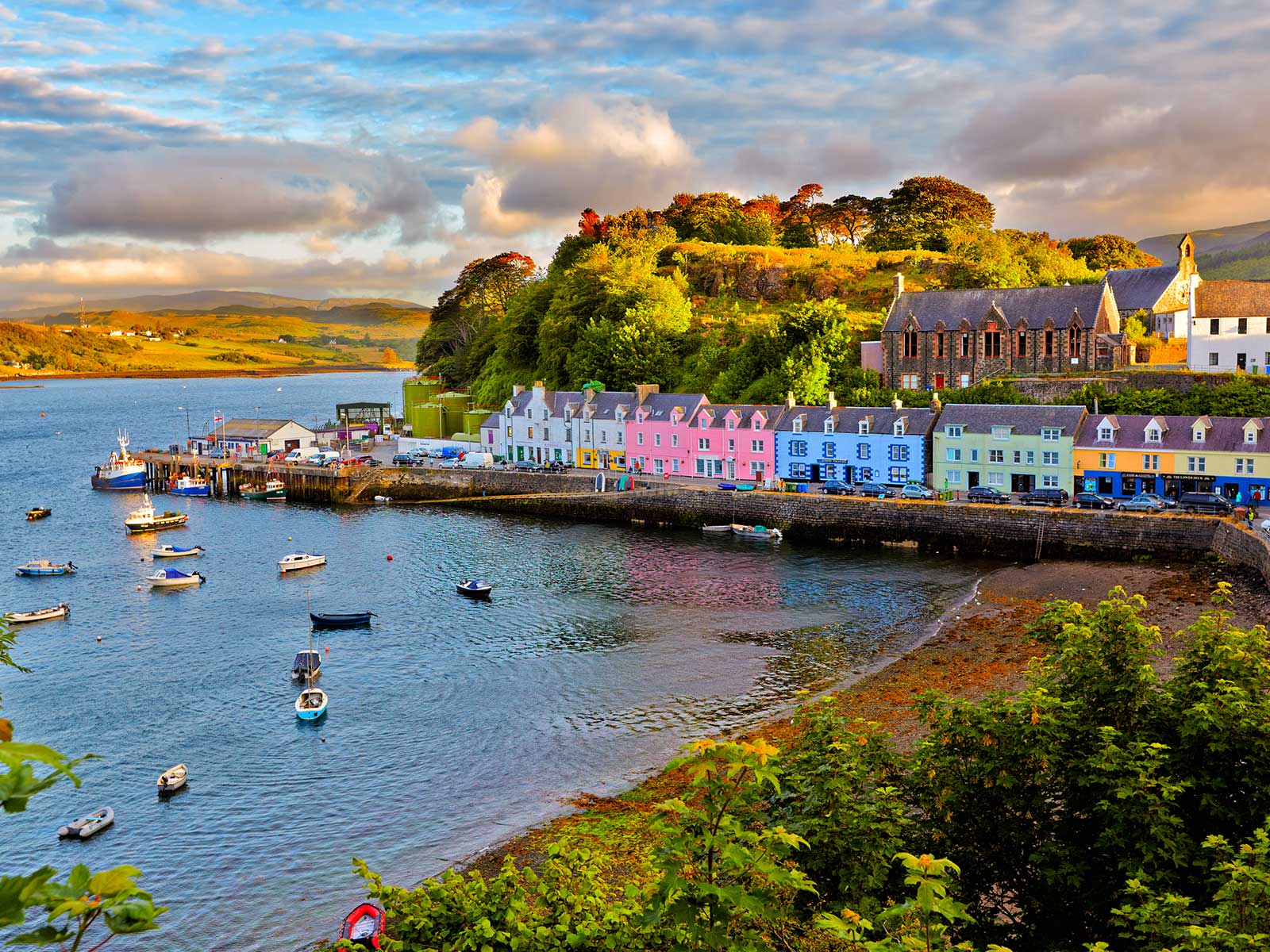
How to Get from Edinburgh to Isle of Skye: Transport Options & Tips
Embarking on a journey from Scotland's historic capital to the breathtaking landscapes of the Isle of Skye is an unforgettable adventure. This guide outlines the best transport options, practical tips, and scenic routes to help you plan your trip seamlessly.
The Isle of Skye, often hailed as one of the world's most beautiful islands, draws visitors with its dramatic mountain ranges, rugged coastline, and mystical fairy tales. From the vibrant city life of Edinburgh, reaching this Hebridean gem requires a bit of planning, but the rewards are immeasurable.
Understanding the Journey to Skye
Skye is located off Scotland's west coast, connected to the mainland by a bridge. The distance from Edinburgh to the main towns on Skye, such as Portree, is approximately 230-250 miles (370-400 km). This journey typically takes around 5-7 hours of driving, not including stops for fuel, food, or sightseeing. Given the distance and the island's remote nature, consider your travel style and desired flexibility when choosing your transport.
Transport Options from Edinburgh to Isle of Skye
1. Driving: The Most Flexible Option
Driving is arguably the most popular and flexible way to reach the Isle of Skye, allowing you to explore at your own pace and make spontaneous stops. Renting a car from Edinburgh gives you the freedom to discover hidden gems both en route and once you arrive on the island.
Pros:
- Flexibility:Set your own schedule, stop wherever you like.
- Exploration on Skye:Essential for accessing many of Skye's remote attractions.
- Scenic Routes:Opportunity to take breathtaking detours.
Cons:
- Driving Time:It's a long journey, requiring stamina.
- Roads:Some roads on Skye are single-track with passing places.
- Parking:Can be challenging at popular tourist spots on Skye, especially in peak season.
Recommended Driving Routes:
There are a few main routes, each offering distinct scenery:
- Via A9 and A82 (The Central Route):This is often the quickest route. You'll head north from Edinburgh on the A9, passing through the edge of the Cairngorms National Park. At Dalwhinnie, you'll turn onto the A889 and then the A86 towards Spean Bridge, before joining the A82 south towards Fort William. From Fort William, continue on the A82 to Invergarry, then take the A87 directly to the Skye Bridge.
- Via A82 (The Highland Route):Head west from Edinburgh towards Glasgow, then pick up the A82 north. This route takes you along the banks of Loch Ness and through the dramatic landscapes of Glencoe and past Ben Nevis, offering incredible photo opportunities. The A82 eventually meets the A87 towards the Skye Bridge.
Tips for Driving:
- Break Up the Journey:Consider an overnight stop in a place like Fort William, Inverness, or even somewhere within the Cairngorms National Park to fully enjoy the drive.
- Fuel:Fill up your tank before heading onto Skye, as petrol stations can be sparse.
- Single-Track Roads:Be mindful of passing places and allow oncoming traffic to pass. Wave a thank you!
- Book Car Hire in Advance:Especially during peak season.
Fun Fact:The Isle of Skye is famous for its unique geological features, including the Old Man of Storr and the Quiraing, both results of ancient landslips.
2. Bus (Coach): A Budget-Friendly & Relaxed Option
For those who prefer not to drive, taking a coach is a viable and often more economical option. National Express and Scottish Citylink operate services from Edinburgh to the Isle of Skye.
Pros:
- No Driving Stress:Sit back, relax, and enjoy the scenery.
- Cost-Effective:Generally cheaper than car hire or train.
- Direct Routes:Some services offer direct routes or easy connections.
Cons:
- Limited Flexibility:Tied to bus schedules, less freedom for spontaneous stops.
- Exploration on Skye:Once on Skye, local bus services are infrequent, making it challenging to reach remote attractions without a car or a local tour.
- Journey Time:Can be longer due to multiple stops.
How it Works:
Most coach services will take you from Edinburgh(St Andrew Square Bus Station) to Portree, the largest town on Skye. You may need to change buses, often in Glasgow or Inverness, depending on the specific service. The journey itself offers stunning views as you pass through the Highlands, often following routes similar to the driving options.
3. Train and Bus Combination: A Scenic Journey
While there's no train line directly to the Isle of Skye, you can combine a scenic train journey with a bus connection. This option offers a unique perspective on the Scottish landscape.
Pros:
- Incredible Scenery:The train journey through the Highlands is world-renowned.
- Relaxing:A comfortable way to travel, especially if you enjoy rail travel.
Cons:
- Longer Journey Time:Often the longest option due to transfers.
- Limited on Skye:Like the bus-only option, you'll still need transport on the island.
How it Works:
From Edinburgh Waverley, you can take a train to Kyle of Lochalsh. This route often involves a change at Inverness. The train journey from Inverness to Kyle of Lochalsh is particularly spectacular, winding through lochs and mountains. From Kyle of Lochalsh, you can then catch a local bus (Stagecoach) across the Skye Bridge to Portree or other island destinations. Alternatively, you can take a train to Fort William and then a bus from there to Skye.
4. Organized Tours: Hassle-Free Exploration
For those who prefer a completely hands-off approach, multi-day organized tours from Edinburgh are an excellent choice. These tours typically include transport, accommodation, and a guided itinerary covering Skye's highlights and often other Scottish landmarks like Loch Ness or Glencoe.
Pros:
- Convenience:Everything is arranged for you, from transport to accommodation and itinerary.
- Expert Guides:Gain insights into Scottish history, culture, and folklore.
- Social Aspect:Opportunity to meet other travelers.
Cons:
- Less Flexibility:Fixed itinerary, limited spontaneous exploration.
- Cost:Can be more expensive than independent travel, but includes many services.
Getting Around on the Isle of Skye
Once you arrive on the Isle of Skye, it's crucial to have a plan for getting around. Many of Skye's most iconic attractions, such as the Fairy Pools, the Old Man of Storr, and the Quiraing, are spread across the island and not easily accessible by foot or infrequent public transport.
- Car:Highly recommended for independent exploration.
- Local Buses:Stagecoach operates limited routes, mainly connecting larger towns. Check schedules carefully.
- Taxis:Available in Portree but can be expensive for longer distances.
- Local Tours:Several companies offer day tours from Portree, catering to visitors without their own vehicle.
Tips for Your Journey to Skye
- Book in Advance:Especially during peak season (May-September), accommodation, car hire, and popular tours on Skye sell out quickly. Book everything well ahead of time.
- Weather Awareness:Scottish weather is notoriously changeable. Pack layers, waterproofs, and sturdy walking shoes, even in summer.
- Allow Extra Time:Roads can be winding, and you'll want to stop for photos. Don't rush your journey.
- Accommodation on Skye:Book early! Options range from hotels and B&Bs to self-catering cottages and campsites. Portree is the main hub, but other villages offer charm and tranquility.
- Respect the Environment:Stick to paths, take your litter with you, and be mindful of local communities and wildlife.
No matter which method you choose, the journey from Edinburgh to the Isle of Skye is an adventure in itself, paving the way for an unforgettable experience in one of Scotland's most magical destinations. Plan well, embrace the stunning scenery, and prepare to be captivated by the beauty of the Hebrides.