
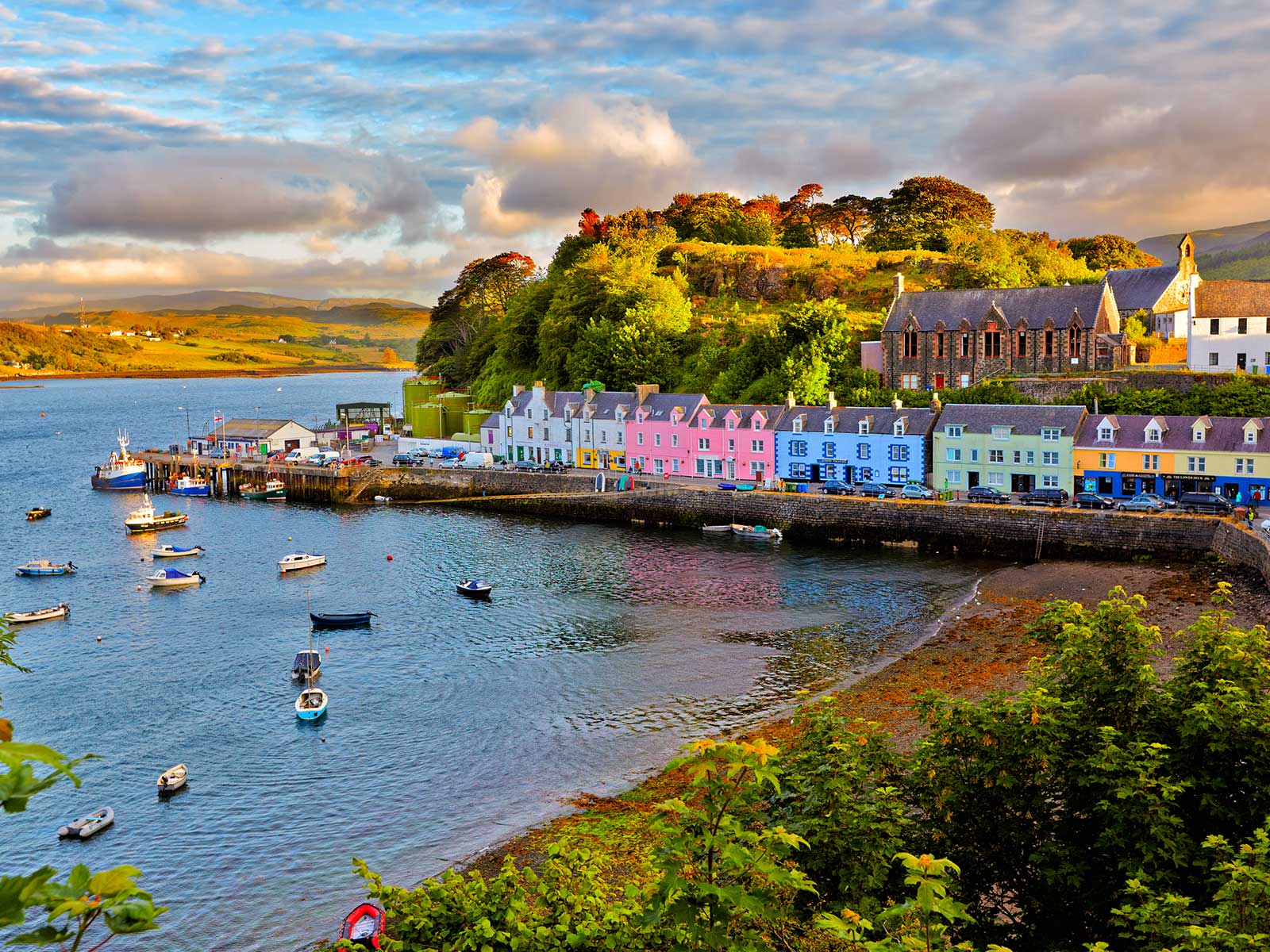
Getting Around Scotland: Your Comprehensive Transportation Guide
Navigating the diverse landscapes of Scotland, from its bustling cities to its tranquil islands, requires a good understanding of its transportation options. Whether you envision an epic road trip through the Highlands or a relaxing train journey along a scenic coast, this guide will help you plan your perfect Scottish adventure.
Scotland offers a rich tapestry of travel experiences, and how you choose to get around can significantly shape your journey. From the convenience of major transport hubs to the remoteness of the Outer Hebrides, each mode of transport has its unique advantages.
Exploring Scotland by Road: Driving and Car Hire
For many visitors, renting a car offers the ultimate freedom and flexibility to explore Scotland at their own pace. It allows you to venture off the beaten path, discover hidden gems, and fully immerse yourself in the country's breathtaking scenery.
The Freedom of Driving
- Flexibility:A car allows you to create your own itinerary, stop whenever you like for photos or impromptu picnics, and reach remote locations not served by public transport. This is particularly beneficial for exploring areas like Glencoe, the Cairngorms National Park, or the dramatic landscapes of the Isle of Skye.
- Road Conditions:Scotland boasts a mix of motorways (M-roads) connecting major cities like Glasgow and Edinburgh, A-roads which are generally good quality main routes, and narrower B-roads or single-track roads in rural and Highland areas. Be prepared for passing places on single-track roads and always give way to oncoming traffic.
- Driving Side:Remember that driving is on the left-hand side of the road in Scotland, and cars are right-hand drive.
Car Hire Tips
- Booking:It's advisable to book your car hire well in advance, especially during peak season. Most major airports (Edinburgh, Glasgow) and larger cities have numerous rental agencies.
- Insurance:Ensure you understand your insurance coverage. Consider additional protection, especially if you plan to drive on more challenging rural roads.
- Fuel:Petrol (gasoline) and diesel are widely available, though stations can be sparse in very remote areas, so plan your refills.
- Parking:Parking can be challenging and expensive in city centres like Edinburgh. Utilise park-and-ride schemes or public transport for urban exploration. In rural areas, parking is generally easier to find.
Travel Tip:When driving in the Highlands, keep an eye out for sheep and deer on the road, especially at dawn and dusk. Drive cautiously and be prepared to stop.
Navigating Scotland by Public Transport
Scotland's public transport network is extensive and offers a convenient, often scenic, alternative to driving. It's an excellent choice for those who prefer to relax and enjoy the views.
Trains: Scenic Routes and City Connections
Scotland's rail network connects most major towns and cities, providing a comfortable and often picturesque way to travel. ScotRail is the primary operator.
- Major Routes:Frequent services connect Edinburgh and Glasgow, with connections to Aberdeen, Inverness, and other key destinations.
- Scenic Journeys:The West Highland Line, often voted one of the world's most scenic rail journeys, takes you through stunning landscapes, past Glencoe, and towards Fort William (gateway to Ben Nevis) and Mallaig. Other notable routes include the Kyle of Lochalsh line and the journey to Aviemore in the Cairngorms National Park.
- Booking:Booking train tickets in advance, especially for longer journeys or peak times, can secure better fares.
Buses and Coaches: Widespread and Economical
Buses and coaches form the backbone of public transport in Scotland, reaching many places not served by trains. They are generally an economical way to travel.
- Intercity Coaches:Operators like Scottish Citylink provide comfortable services connecting major cities and many Highland towns, including routes towards Loch Ness and the Isle of Skye.
- Local Bus Services:Local bus networks operate within towns and cities, and smaller services connect rural communities. These are essential for exploring specific regions.
- Booking:For longer coach journeys, booking online in advance is recommended. For local buses, you can often buy tickets directly from the driver (exact cash is sometimes preferred).
Ferries: Gateway to the Islands
Ferries are an indispensable part of Scottish transportation, connecting the mainland to its numerous beautiful islands, from the Inner Hebrides to the far-flung Orkney Islands and Shetland Islands.
- Main Operator:Caledonian MacBrayne (CalMac) is the largest ferry operator, serving the west coast and Hebrides. NorthLink Ferries serves the Orkney and Shetland Islands.
- Booking:It is absolutely essential to book ferry passages in advance, especially if you plan to take a vehicle, as popular routes fill up quickly. Foot passenger space is usually more readily available but still advisable to book.
- Island Hopping:Ferries make island hopping a popular way to experience Scotland's coastal culture and stunning seascapes.
Alternative Ways to Get Around
Cycling
Scotland offers fantastic cycling opportunities, from dedicated cycle paths to challenging mountain bike trails. The National Cycle Network extends across the country, providing routes for all abilities.
- Bike Hire:Many towns and cities offer bike rental services, and some even provide electric bikes for tackling hilly terrain.
- Scenic Routes:Cycling around Loch Ness or exploring the Glencoe valley by bike are popular choices for active travellers.
Walking and Hiking
For exploring cities or tackling Scotland's iconic mountains, walking is often the best, or only, option.
- Urban Exploration:Wander through the historic closes of Edinburgh Old Town or discover the vibrant street art of Glasgow on foot. Climbing Arthur's Seat in Edinburgh offers panoramic views.
- Mountain Adventures:Challenge yourself with a hike up Ben Nevis, the UK's highest peak, or explore the dramatic trails of Glencoe and the Cairngorms National Park.
Taxis and Ride-Sharing
Taxis are readily available in Scottish towns and cities, offering a convenient door-to-door service. Ride-sharing apps also operate in major urban centres like Edinburgh and Glasgow. While convenient, these options are generally more expensive than public transport for longer distances.
Planning Your Journey: Essential Tips
- Check Schedules:Always verify transport schedules, especially for rural buses and ferries, as they can change seasonally or due to weather conditions.
- Booking in Advance:For trains, long-distance coaches, and especially ferries with vehicles, booking well in advance is highly recommended.
- Travel Passes:Consider multi-journey or regional travel passes if you plan extensive use of public transport. These can offer cost savings.
- Flexibility:Particularly when travelling to the islands or in winter, be prepared for potential delays or cancellations due to adverse weather. Build some flexibility into your itinerary.
- Accessibility:Major transport hubs and newer vehicles generally offer good accessibility, but it's always wise to check with operators in advance if you have specific requirements.
Scotland's transportation network is designed to help you explore its incredible beauty, from its historic cities to its remote wilderness. Whether you choose the freedom of a car, the relaxation of a train, or the adventure of a ferry, planning your travel will ensure a smooth and unforgettable Scottish experience.
Embrace the journey, and let Scotland's diverse transport options lead you to discovery!