
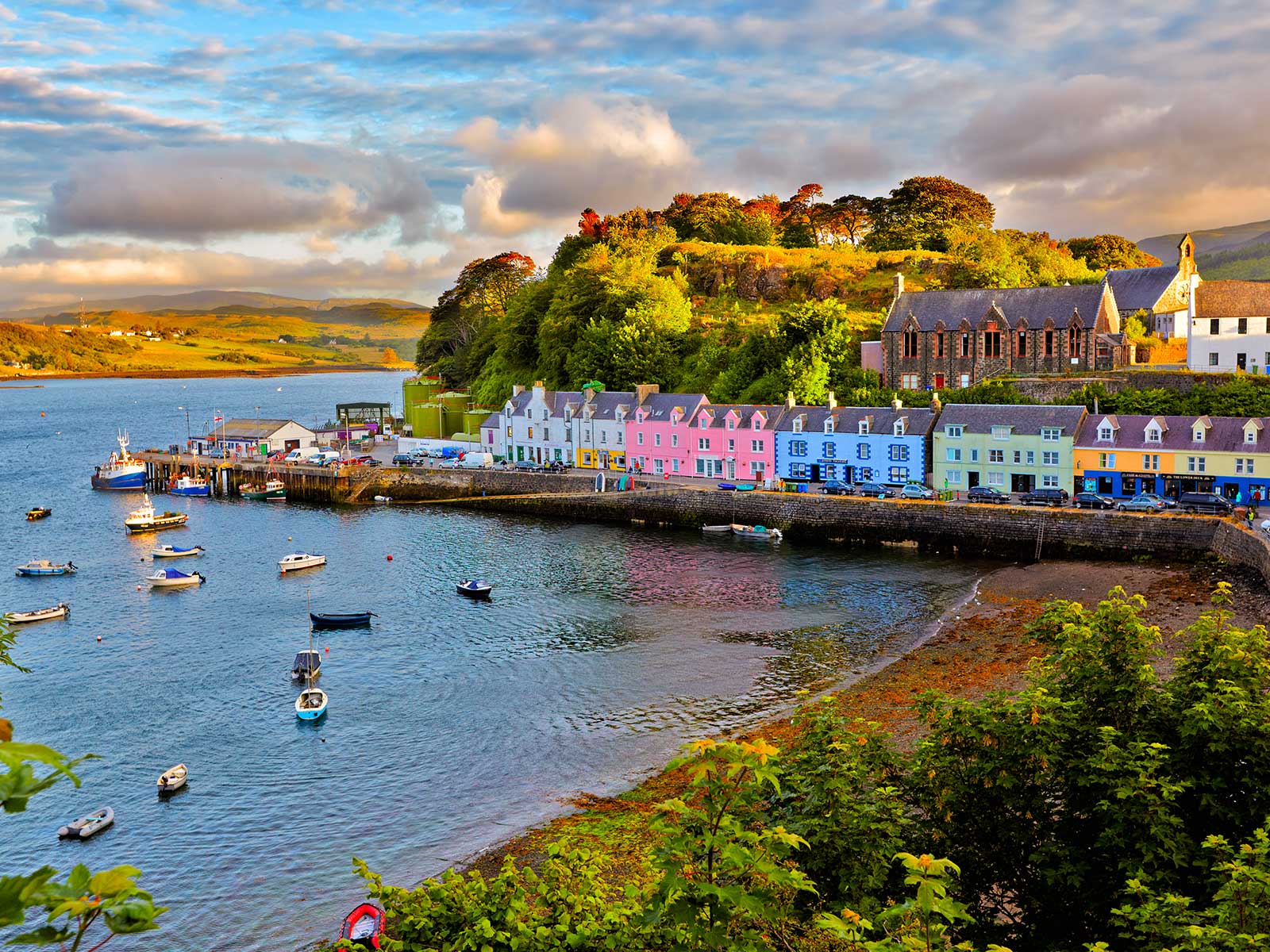
Driving the North Coast 500: Essential Tips for Your Epic Scottish Road Trip
Embarking on Scotland's North Coast 500 is an unparalleled adventure, a journey through some of the most dramatic and breathtaking landscapes the UK has to offer. To ensure your road trip is as smooth and memorable as the views are stunning, careful planning and an understanding of the route's unique challenges are key.
What is the North Coast 500?
Often hailed as Scotland's answer to Route 66, the North Coast 500 (NC500) is a spectacular 516-mile scenic route around the northern Highlands. Starting and ending in the Highland capital of Inverness, the route encompasses the rugged west coast, the wild northern coastline, and the more gentle easterly shores, offering a diverse tapestry of mountains, lochs, glens, and pristine beaches.
Planning Your NC500 Adventure
Preparation is paramount for a successful NC500 journey. Think ahead about timing, transport, and where you'll rest your head.
Best Time to Go
- Spring (April-May) and Autumn (September-October):These shoulder seasons are often ideal. You'll encounter fewer crowds, potentially more favourable weather, and stunning seasonal colours, from spring blooms to autumn foliage.
- Summer (June-August):Offers the longest daylight hours and generally warmer temperatures, but it's also the busiest period. Expect higher prices and the need to book everything well in advance.
- Winter (November-March):For the truly adventurous, winter brings dramatic, snow-capped landscapes and solitude. However, be prepared for challenging driving conditions, shorter daylight, and many facilities being closed.
How Long Do You Need?
While it's technically possible to "do" the NC500 in 3-4 days, this would be a rushed experience. To truly savour the journey, allow at least5-7 days. For a more relaxed pace, incorporating detours, hikes, and deeper exploration of villages and attractions,10-14 daysis highly recommended.
Vehicle Choice
The NC500 features a mix of A-roads, B-roads, and many single-track roads. A smaller, fuel-efficient car is often the most practical choice, offering easier navigation and parking. While motorhomes and campervans are popular, be aware that some of the narrower roads, particularly the Bealach na Bà, are unsuitable for larger vehicles. Always check route restrictions.
Accommodation
Accommodation options along the NC500 range from charming B&Bs and guesthouses to hotels, self-catering cottages, and campsites. Due to the route's popularity and the remoteness of some areas, it's absolutely crucial tobook all accommodation well in advance, especially during peak season. Spontaneous travellers may struggle to find availability.
Mapping Your Route & Navigation
While GPS is useful, mobile signal can be intermittent or non-existent in many parts of the Highlands. Always carry a detailed physical map (like an OS map) and/or download offline maps to your smartphone. Plan your daily stops, points of interest, and potential detours. Consider starting your journey from Inverness, a city that offers easy access to the route and is not far from the famous shores of Loch Ness.
Driving the NC500: Road Etiquette and Safety
The unique character of Highland roads demands a particular approach to driving.
Single Track Roads
A significant portion of the NC500 consists of single-track roads with designated passing places. These require patience and courtesy.
- Use passing places to let oncoming traffic pass or to allow faster vehicles to overtake you.
- Always pull into a passing place on your left. If the passing place is on your right, wait opposite it.
- Wave a thank you to drivers who give way.
- Do not treat passing places as parking spots for photos unless you are well off the road and not obstructing traffic.
Expert Tip:When approaching a blind bend on a single-track road, proceed slowly and be prepared to stop. If you see another vehicle, make eye contact and signal your intentions clearly.
Livestock and Wildlife
You will inevitably encounter sheep, deer, and other wildlife on or beside the roads. Drive cautiously, especially at dawn, dusk, and night. Animals can appear suddenly, so be ready to slow down or stop.
Fuel & Supplies
Fuel stations can be few and far between in the more remote sections of the NC500. Plan your fuel stops carefully and don't let your tank get too low. Similarly, carry plenty of water, snacks, and any essential supplies, as shops are not always readily available.
Weather Conditions
Scottish weather is famously unpredictable. Be prepared for anything: sunshine, torrential rain, strong winds, and even fog or snow in higher elevations, regardless of the season. Pack layers and waterproofs. Always check the local weather forecast before setting off each day.
Must-See Highlights and Experiences
The NC500 is brimming with incredible sights and activities. Here are just a few to consider:
Scenic Drives & Views
- Bealach na Bà (Applecross Pass):A truly iconic and challenging drive with hairpin bends and steep gradients, offering unparalleled views. It is not suitable for large vehicles or inexperienced drivers.
- Kylesku Bridge:An architectural marvel spanning the sea, offering fantastic photo opportunities.
- Smoo Cave, Durness:A dramatic sea cave with an impressive waterfall inside.
Beaches & Coastlines
The north and west coasts boast some of the UK's most stunning white-sand beaches, often reminiscent of tropical shores:
- Achmelvich Beach
- Clachtoll Beach
- Balnakeil Beach
- Sandwood Bay (requires a significant walk, but worth it!)
Castles & History
Explore centuries of Scottish history at various points along the route:
- Dunrobin Castle: A magnificent stately home near Golspie.
- Ardvreck Castle: Atmospheric ruins on the shores of Loch Assynt.
- Many ancient brochs, cairns, and historical sites dot the landscape.
Food & Drink
Savour the local produce! Fresh seafood is a highlight, with many small fishing villages offering delicious catches of the day. Don't forget to sample local cheeses, traditional Scottish dishes, and perhaps visit a whisky distillery (always appoint a designated driver!).
Wildlife Spotting
Keep an eye out for diverse wildlife: red deer, golden eagles, seals, otters, and even puffins at certain times of the year and locations.
Responsible Tourism on the NC500
To preserve the beauty and integrity of this special region, practice responsible tourism:
- Leave No Trace:Take all your rubbish with you and dispose of it properly.
- Respect the Environment:Stick to designated paths, avoid disturbing wildlife, and do not forage without permission.
- Support Local:Spend your money in local shops, cafes, and accommodation providers.
- Wild Camping:Understand and adhere to the Scottish Outdoor Access Code regarding wild camping. Be discreet, leave no trace, and move on after one night.
- Drive Responsibly:Adhere to speed limits, especially through villages, and drive courteously on single-track roads.
The NC500 is a truly transformative journey. With careful planning and a respectful approach, you’re set for an unforgettable exploration of Scotland’s wild and beautiful northern Highlands. If your adventure sparks a love for Scottish landscapes, consider exploring other iconic regions like Glencoe or even extending your trip to the captivating Isle of Skye.
Safe travels and enjoy your epic Scottish road trip!