
A Brief History of Scotland: Castles, Clans & Enduring Heritage
Scotland's story is a tapestry woven with dramatic landscapes, fierce independence, and a culture rich in tradition. From ancient settlements to powerful kingdoms and the enduring spirit of its people, understanding Scotland's past illuminates its vibrant present. Join us on a journey through the pivotal moments that shaped this extraordinary nation, exploring its iconic castles, the legendary clan system, and the heritage that continues to captivate visitors worldwide.
The Dawn of Scotland: Ancient Roots & Early Kingdoms
Long before kilts and bagpipes defined its image, Scotland's land was home to fascinating prehistoric cultures. Evidence of sophisticated societies can be found in sites like Skara Brae on the Orkney Islands, a remarkably preserved Neolithic village older than the pyramids. The Shetland Islands also boast a wealth of ancient brochs and settlements, hinting at early inhabitants' resilience.
Did you know?Skara Brae is one of the best-preserved Stone Age villages in Europe, dating back over 5,000 years, offering a unique glimpse into Neolithic life.
The arrival of the Romans in the 1st century AD marked a significant, though ultimately unsuccessful, attempt to conquer the northern tribes they called 'Caledonians'. Their frontier, the Antonine Wall, never fully contained the Picts, a mysterious and artistic people who left behind intricate carved stones. By the 9th century, a fusion of Pictish and Gaelic cultures, largely driven by Kenneth MacAlpin, led to the formation of the Kingdom of Alba, the precursor to modern Scotland. This era also saw the considerable influence of the Vikings, whose longships brought both raids and settlement, particularly to the northern islands.
Medieval Scotland: Wars of Independence & Royal Dynasties
The medieval period was a crucible for Scottish identity, forged in the fires of independence. Following a succession crisis, England's King Edward I sought to assert control, triggering the Wars of Scottish Independence. Figures likeWilliam WallaceandRobert the Brucerose to legendary status, rallying the Scots against overwhelming odds. The decisive victory at the Battle of Bannockburn in 1314 secured Scotland's sovereignty for centuries.
This era saw the proliferation of formidable castles, built both for defense and to project power. From the stark ruins dotting the Highlands to grand royal residences, these fortresses are tangible links to a turbulent past. The Stewart dynasty, which ascended to the throne in 1371, would rule Scotland for over three centuries, shaping its internal politics and foreign relations.
The Clan System: Power, Loyalty & Conflict
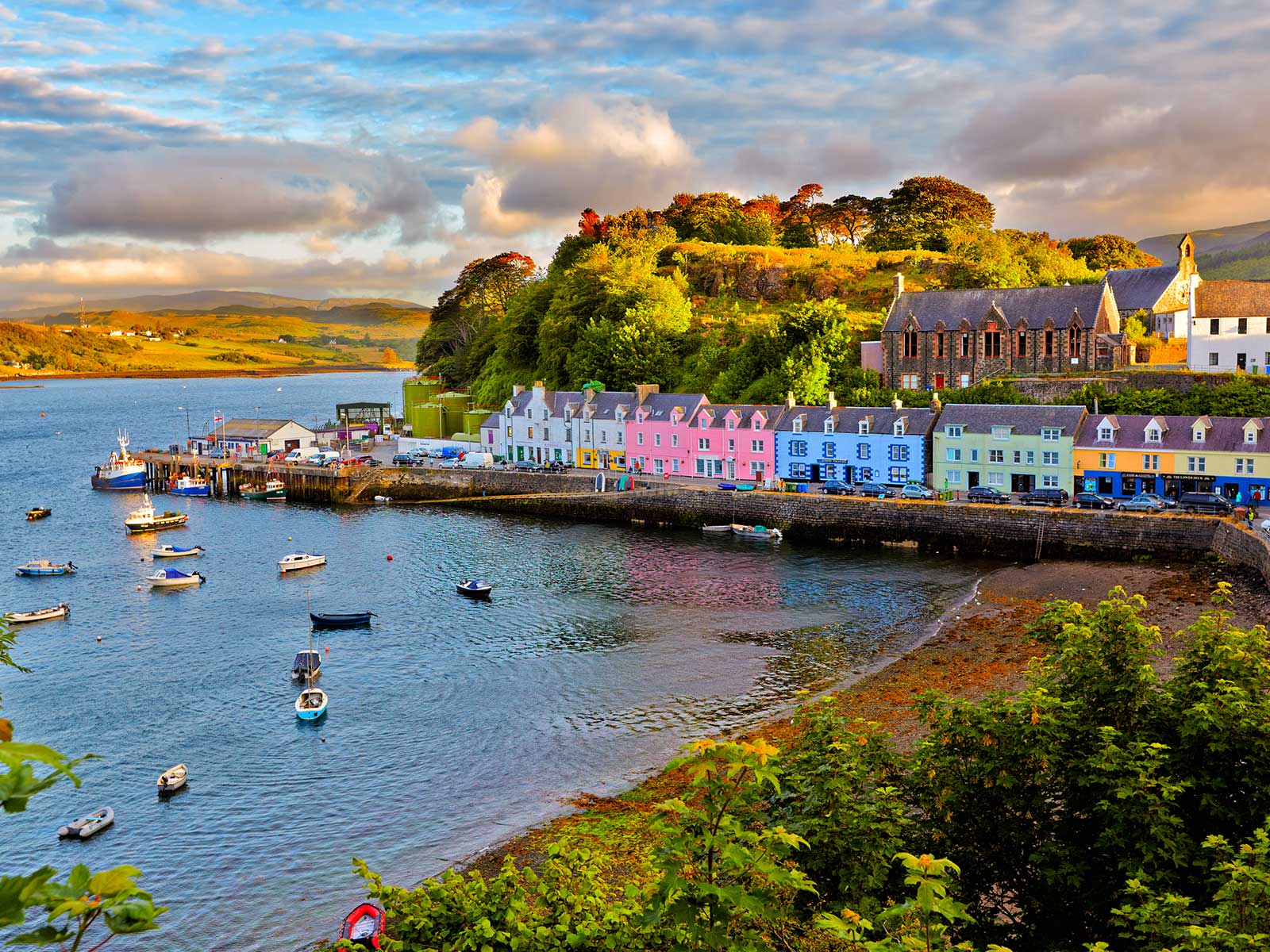
The clan system, deeply embedded in Scottish history, particularly in the Highlands and Islands like the Isle of Skye, was a complex web of kinship, loyalty, and territorial control. Each clan, led by its chief, offered protection and identity in exchange for allegiance. This system often led to inter-clan feuds but also fostered a strong sense of community and shared heritage.
The 17th and 18th centuries witnessed the dramatic Jacobite Rebellions, attempts to restore the deposed Stuart monarchy to the British throne. These uprisings, particularly the 'Forty-Five' led by Bonnie Prince Charlie, saw fierce battles and tragic consequences. The infamous Glencoe Massacre in 1692, where government forces killed members of the MacDonald clan, remains a stark reminder of the era's brutality.
The defeat at the Battle of Culloden in 1746 marked the end of the Jacobite cause and led to the brutal suppression of Highland culture, including the banning of kilts and bagpipes. This period also saw the devastating Highland Clearances, which forcibly removed thousands of people from their ancestral lands to make way for sheep farming, forever altering the social fabric of the Highlands.
Union & Enlightenment: A New Era
In 1603, the Union of the Crowns saw King James VI of Scotland also become King James I of England, uniting the two crowns under a single monarch. A century later, in 1707, the Acts of Union formally merged the Scottish and English parliaments, creating the Kingdom of Great Britain. While initially controversial, this union allowed Scotland to retain its distinct legal and educational systems, fostering a unique intellectual environment.
The 18th century brought the Scottish Enlightenment, a period of immense intellectual and scientific achievement. Thinkers from Edinburgh and Glasgow, such as David Hume, Adam Smith, and James Watt, made groundbreaking contributions to philosophy, economics, and engineering, influencing the world. This intellectual fervor laid foundations for the Industrial Revolution, where cities like Glasgow became powerhouse centers of shipbuilding and manufacturing, drawing people from across the country and beyond.
Modern Scotland: Resurgence & Enduring Identity
The Victorian era saw a romantic revival of Scottish culture, popularized by figures like Sir Walter Scott and Queen Victoria herself, who established Balmoral as a royal residence. Tartans and Highland games, once suppressed, became celebrated symbols of Scottish identity. The 20th century brought new challenges, including two World Wars and economic shifts, but also a growing sense of national pride and calls for greater self-governance.
The establishment of the Scottish Parliament in 1999 marked a significant moment of devolution, granting Scotland greater control over its domestic affairs while remaining part of the United Kingdom. Today, Scotland continues to celebrate its rich heritage while embracing modernity. Its breathtaking natural beauty, from the mysterious waters of Loch Ness to the majestic peaks of Ben Nevis and the vast wilderness of Cairngorms National Park, draws millions of visitors annually.
Cities like Edinburgh, with its historic castle and winding closes, and vibrant Glasgow, known for its arts and architecture, showcase the blend of ancient and contemporary that defines Scotland. Even iconic natural landmarks like Arthur's Seat in Edinburgh carry echoes of ancient volcanic activity and historical significance.
Experiencing Scotland's Heritage Today
To truly understand Scotland, one must immerse oneself in its history. Walk through the ancient streets of Edinburgh Old Town, explore a crumbling castle on the Isle of Skye, or reflect on the poignant history of Glencoe. Each experience offers a deeper connection to the tenacious spirit and enduring legacy of the Scottish people.
From the earliest settlements to its modern, dynamic nationhood, Scotland's history is a testament to resilience, innovation, and an unwavering pride in its unique heritage. Whether you're captivated by tales of clans and kings or the rugged beauty of its landscapes, Scotland promises an unforgettable journey through time.