
The Rich History of Saudi Arabia: From Ancient Kingdoms to Modern Vision
Saudi Arabia is a land steeped in millennia of history, a crucible where ancient civilizations flourished and a pivotal point in human spirituality. From its origins as a vital trade crossroads to its modern emergence as a global player, the Kingdom offers a profound journey through time.
Ancient Roots: Crossroads of Civilizations
Long before it became the Saudi Arabia we know today, the Arabian Peninsula was a vibrant hub, connecting continents and cultures. Archaeological discoveries across the Kingdom reveal a rich tapestry of early human habitation, with evidence of settlements dating back hundreds of thousands of years. This vast land served as a crucial bridge for migrations and trade routes, making it a true Land of Civilizations.
Ancient kingdoms like the Dadanites and Lihyanites carved their legacies into the desert landscapes, leaving behind impressive rock-cut tombs and intricate inscriptions. Perhaps most renowned are the vestiges of the Nabataean civilization, best explored in the magnificent region of AlUla. Here, the UNESCO World Heritage site of Hegra stands as a testament to their architectural prowess and sophisticated water management systems, showcasing monumental tombs carved into sandstone cliffs.
These early societies thrived on the incense trade route, which crisscrossed the peninsula, fostering cultural exchange and economic prosperity. The remnants of these ancient cities and trade networks offer a captivating glimpse into the foundational layers of Arabian history.
The Dawn of Islam and the Arabian Peninsula
The 7th century CE marked a profound turning point in the history of the Arabian Peninsula and, indeed, the world. It was in the western region of Hijaz that Islam was born, with the revelation of the Quran to Prophet Muhammad (peace be upon him) in the holy city of Mecca. This event transformed the religious and political landscape of the region forever.
Mecca houses the sacred Kaaba, a structure of immense spiritual significance, around which the Masjid al-Haram stands. This site became, and remains, the holiest place in Islam, drawing millions of pilgrims annually for the Hajj and Umrah pilgrimages.
Did you know?The Kaaba, meaning "cube" in Arabic, is believed to have been built by Prophet Ibrahim (Abraham) and his son Ismail (Ishmael) as a house of worship to Allah.
Following persecution in Mecca, Prophet Muhammad and his followers migrated to Medina (then known as Yathrib) in 622 CE, an event known as the Hijra. Here, he established the first Islamic state and built Al Masjid an Nabawi, the Prophet's Mosque, which is the second holiest site in Islam. The surrounding areas, including Uhud Mountain, bear witness to pivotal early Islamic battles and events that shaped the nascent Muslim community.
From these sacred cities, Islam spread rapidly across the Arabian Peninsula and beyond, establishing a vast civilization that would influence art, science, philosophy, and governance for centuries.
Dynasties and Empires: Shaping the Land
For centuries after the initial Islamic expansion, the Arabian Peninsula remained a significant spiritual heartland, even as political power shifted to other Islamic capitals like Damascus, Baghdad, and Cairo. Various local emirates and powerful tribes held sway over different regions, often under the nominal suzerainty of larger empires such as the Ottomans, who exerted influence over the Hijaz and parts of the eastern coast.
The seeds of modern Saudi Arabia were sown in the 18th century with the emergence of the First Saudi State, founded in Diriyah by Imam Muhammad ibn Saud in alliance with Sheikh Muhammad ibn Abd al-Wahhab. This state, based on a strict interpretation of Islamic law, expanded its influence across much of the peninsula before its eventual collapse in the early 19th century.
A Second Saudi State emerged shortly after, continuing the legacy for several decades before internal strife led to its decline. These early states laid the groundwork for a unified Arabian entity, instilling a sense of shared identity and purpose that would prove crucial in the 20th century.
The Birth of Modern Saudi Arabia
The journey to modern Saudi Arabia is inextricably linked to the extraordinary vision and determination of King Abdulaziz Al Saud. In 1902, King Abdulaziz, then a young leader, embarked on a daring mission to reclaim his ancestral lands. His legendary capture of the Masmak Fortress in Riyadh was a pivotal moment, symbolizing the beginning of the unification process.
Through a combination of military prowess, strategic alliances, and diplomatic skill, King Abdulaziz gradually consolidated control over the disparate regions of the Arabian Peninsula. On September 23, 1932, the Kingdom of Saudi Arabia was officially proclaimed, marking the birth of a new nation.
The discovery of vast oil reserves shortly after the Kingdom's formation would dramatically transform its trajectory. Oil wealth fueled rapid development, enabling the construction of modern infrastructure, cities, and a welfare state, propelling Saudi Arabia onto the global stage.
A Kingdom Transformed: Modern Vision
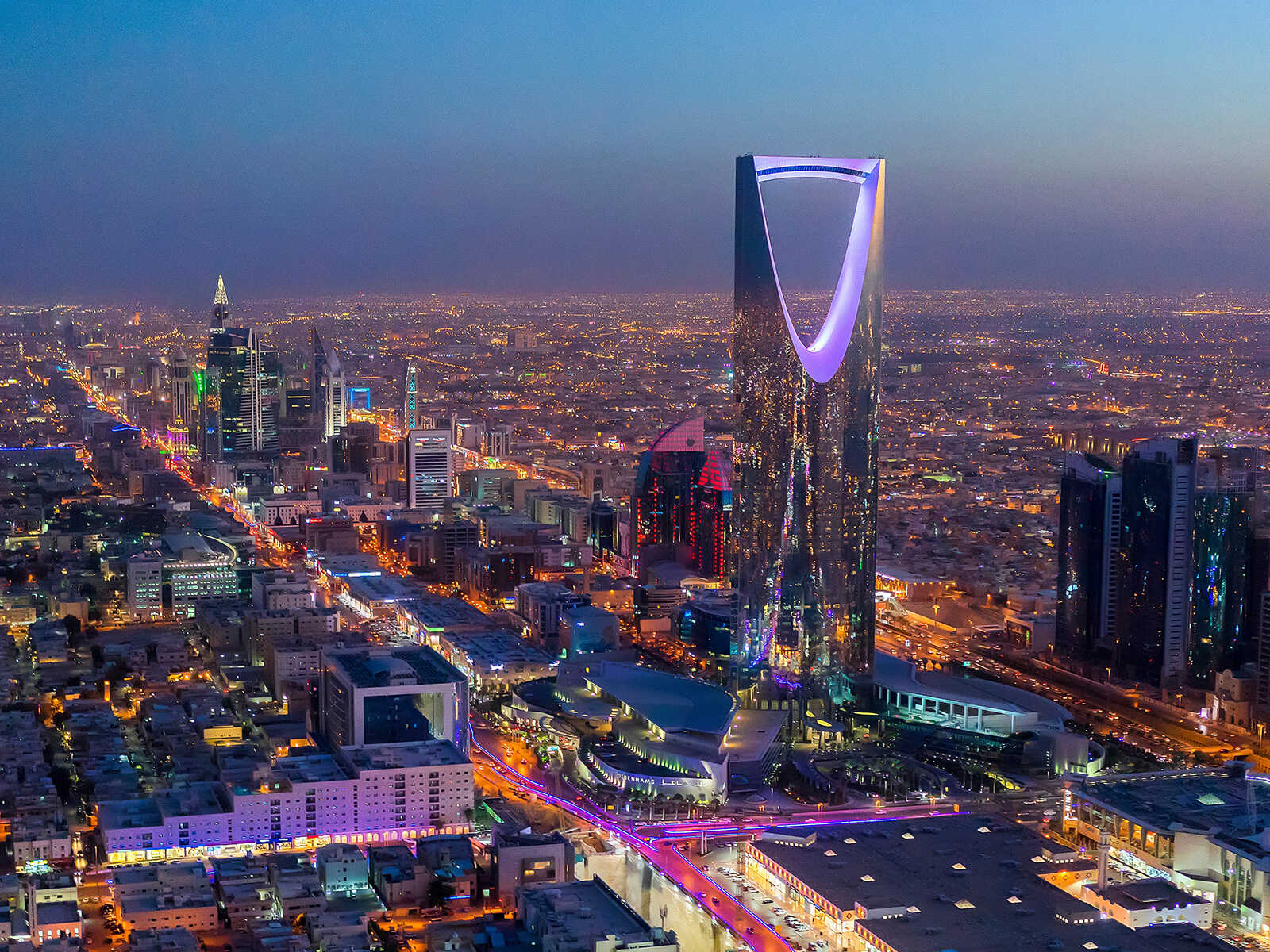
Today, Saudi Arabia is a nation in dynamic transformation, balancing its rich heritage with an ambitious outlook toward the future. Major cities like Riyadh and Jeddah have become bustling metropolises, featuring impressive architectural landmarks and modern amenities. Jeddah, for instance, boasts the iconic King Fahad's Fountain, one of the tallest in the world, and the serene Floating Mosque, showcasing the blend of modern design and spiritual significance.
The Kingdom's ambitious Vision 2030 plan outlines a comprehensive strategy for economic diversification, cultural enrichment, and social development. This vision emphasizes tourism, encouraging visitors to explore not only its religious sites but also its natural wonders and historical treasures. Places like the dramatic Edge of the World near Riyadh, with its breathtaking panoramic views, are becoming popular destinations for both residents and international travelers.
Efforts are underway to preserve and promote Saudi Arabia's diverse cultural heritage, from ancient archaeological sites to traditional arts and crafts. New museums, cultural centers, and entertainment venues are emerging, reflecting a vibrant contemporary society that deeply values its past.
Embracing Past and Future
Saudi Arabia's history is a captivating narrative of ancient civilizations, spiritual enlightenment, and nation-building. It is a story of resilience, transformation, and a continuous journey towards progress. From the rock-hewn tombs of AlUla to the bustling streets of Riyadh, the Kingdom offers a unique opportunity to witness the profound interplay between a deeply rooted past and an exciting, forward-looking future.
Exploring this rich tapestry of history reveals a nation that is both guardian of its heritage and a pioneer of modern innovation, inviting the world to discover its many layers.