
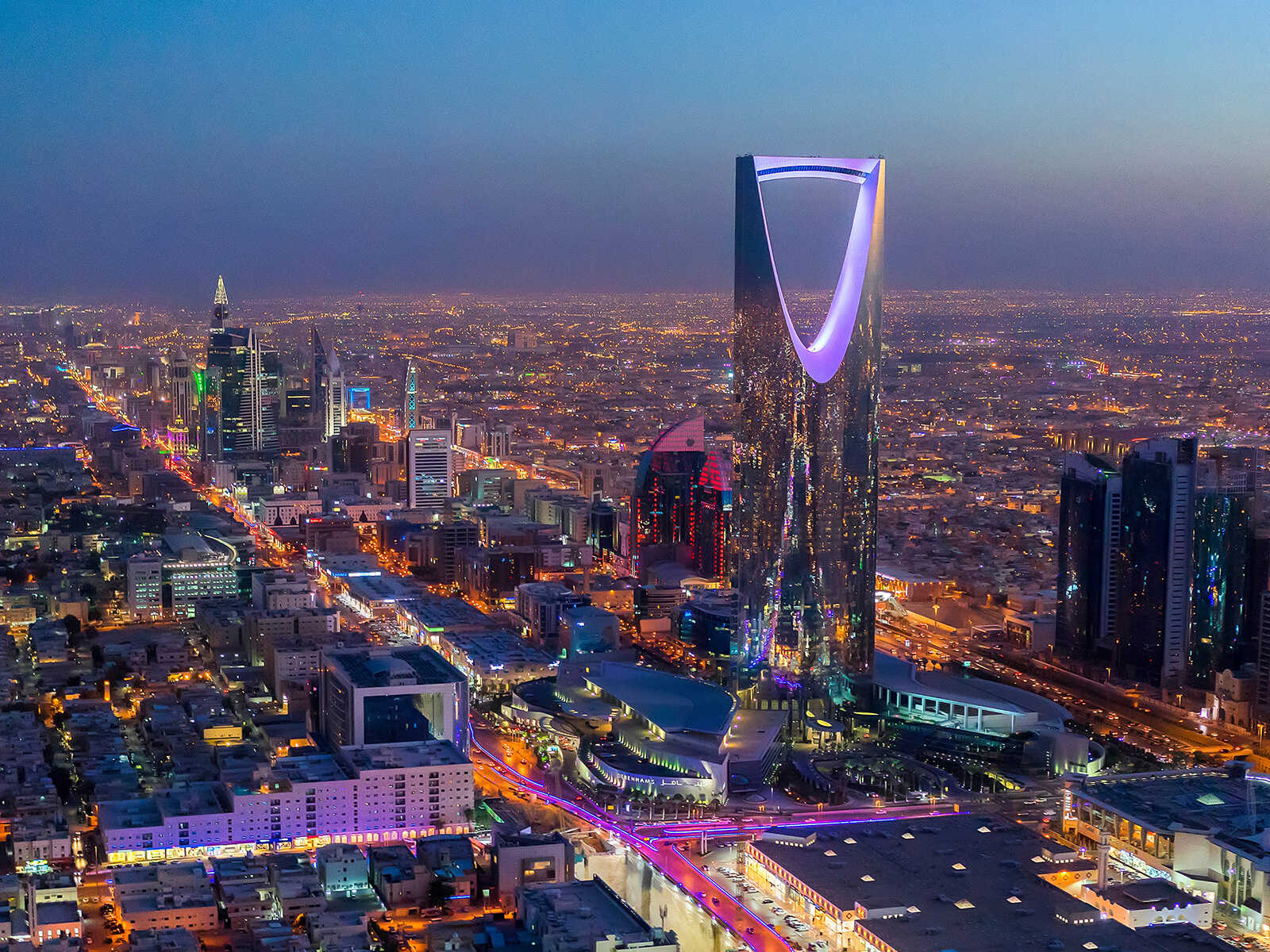
Saudi Arabia Travel Etiquette: Navigating Social Norms with Respect
Venturing into Saudi Arabia offers a unique opportunity to explore a land rich in history, culture, and breathtaking landscapes. To ensure a truly enriching and respectful journey, understanding and adhering to local social norms and etiquette is paramount. This guide will help you navigate the Kingdom's customs with confidence and appreciation.
The Heart of Hospitality: Understanding Saudi Culture
Saudi culture is deeply rooted in Islamic traditions, tribal customs, and a profound sense of generosity and honor. Visitors are often struck by the warmth and hospitality of the Saudi people, who take pride in welcoming guests. While the Kingdom is undergoing rapid modernization and opening up to tourism, core values like respect for elders, family, and religious practices remain central to daily life. Embracing these foundational elements will significantly enhance your experience.
Dress Code: Respecting Local Sensibilities
Modesty is a cornerstone of Saudi dress code, reflecting cultural and religious values. While recent changes have relaxed some requirements, particularly for female tourists, respectful attire is still expected in public spaces.
For Women
While the abaya (a loose, full-length robe) is no longer legally mandatory for foreign women, wearing modest, loose-fitting clothing that covers the shoulders, arms, and legs is highly recommended. Many women still choose to wear an abaya out of respect and convenience. A headscarf (hijab) is generally not required for tourists in most public areas, but it's advisable to carry one to cover your hair when visiting religious sites like Masjid al-Haram or Al Masjid an Nabawi, or if specifically requested.
For Men
Men should opt for long pants and shirts with sleeves. Shorts and sleeveless tops are generally considered inappropriate in most public settings. While local men often wear the thobe (a traditional white robe), tourists are not expected to do so, though it is certainly permitted and can be a comfortable option in the heat.
Greetings and Social Interactions
Interacting with locals is often a highlight of travel, and knowing how to greet and communicate respectfully is key.
Gender Segregation and Interaction
Traditional Saudi society observes a degree of gender segregation, particularly in public and social settings. When greeting, men typically shake hands with other men, and women with other women. Avoid initiating physical contact with individuals of the opposite gender unless they extend their hand first. A polite nod or a verbal greeting is always appropriate. Maintain respectful eye contact, but avoid overly direct or prolonged gazes, especially with the opposite gender.
Common Arabic Phrases
Learning a few basic Arabic phrases can go a long way in showing respect and fostering connection:
- Assalam Alaikum (pronounced: Ah-sah-lam Ah-lay-kum):"Peace be upon you" – the universal greeting.
- Wa Alaikum Assalam:The standard reply.
- Shukran (pronounced: Shook-ran):"Thank you."
- Afwan (pronounced: Af-wan):"You're welcome" or "Excuse me."
- Inshallah (pronounced: In-shah-lah):"God willing" – commonly used when discussing future plans.
- Masha'allah (pronounced: Mah-shah-lah):"God has willed it" – often used to express admiration or appreciation.
Personal Space
While Saudis are hospitable, a respectful amount of personal space is generally appreciated in public interactions. Avoid overly familiar gestures with strangers.
Dining Etiquette: Sharing a Meal
Food is central to Saudi hospitality. If you are invited to share a meal, it's a sign of great honor and generosity.
Hand Usage
Always eat and pass food with yourright hand, as the left hand is traditionally considered unclean in Islamic culture. If you are left-handed, make an effort to use your right hand for eating. When dining communally from a large platter, use only the portion of food directly in front of you.
Hospitality
It is polite to accept offers of food and drink, especially Saudi coffee and dates. Refusing too many times can be seen as impolite. Eat what you can, and express your enjoyment. Leaving a small amount of food on your plate may signal that you are satisfied, but clearing your plate is also acceptable.
Seating
In many traditional settings, meals are served on the floor (amajlisstyle). Always remove your shoes before entering a private home or a majlis. Sit comfortably but avoid pointing the soles of your feet towards others, which is considered disrespectful.
Religious Observances and Sensitivity
Islam is the official religion of Saudi Arabia, and its practices permeate daily life. Being mindful of these observances is crucial.
Prayer Times
Five times a day, the call to prayer (Adhan) echoes across the country. During these times, businesses may close temporarily, and people will head to mosques or find quiet spaces to pray. Be respectful of those observing prayer and avoid disrupting them. Plan your activities around prayer times, especially if you need to visit shops or offices.
Visiting Mosques
When visiting mosques, strict dress codes apply: women must cover their hair, arms, and legs, and men should wear long trousers and shirts. Shoes must always be removed before entering. Maintain a quiet and reverent demeanor. While non-Muslims are generally welcome in many mosques, the holy cities of Mecca (home to the Kaaba within Masjid al-Haram) and Medina (home to Al Masjid an Nabawi) are exclusively for Muslims. Always check local guidelines for specific mosques, such as the beautiful Floating Mosque in Jeddah.
Ramadan
If you visit during the holy month of Ramadan, be aware that Muslims fast from dawn until sunset. During fasting hours, it is extremely disrespectful to eat, drink, or smoke in public. Many restaurants will be closed during the day but open after sunset for Iftar (the breaking of the fast). Embrace the unique atmosphere of generosity and community that defines Ramadan nights.
Photography and Privacy
Capturing memories through photography is natural, but always do so with respect for privacy.
Asking Permission
Always ask for permission before taking photographs of individuals, especially women and children. A simple gesture or verbal request like "Mumkin soura?" (May I take a picture?) is appropriate. Respectfully accept a refusal. Avoid photographing people engaged in prayer.
Public Spaces and Landmarks
It is generally acceptable to photograph landscapes, historical sites like Masmak Fortress, and architectural marvels such as King Fahad's Fountain or the ancient wonders of AlUla. However, be mindful of any "no photography" signs and always prioritize people's privacy.
Navigating Public Behavior and Customs
Certain behaviors are best avoided in public to align with local norms.
Public Displays of Affection
Public displays of affection, even between married couples, are not customary and should be avoided. This includes holding hands, kissing, or overtly affectionate gestures.
Alcohol and Prohibited Items
Alcohol is strictly forbidden throughout Saudi Arabia. Do not attempt to bring it into the country, purchase it, or consume it. Be aware of other prohibited items, including pork products, pornography, and materials deemed offensive to Islam.
Social Gatherings
If invited to a local home, it's customary to bring a small gift, such as dates or sweets. Always accept offers of coffee, tea, or dates. It's considered respectful to stand when an elder or important person enters a room.
Beyond the Norms: Modern Saudi Arabia
Saudi Arabia is a nation undergoing incredible transformation as part of Vision 2030, opening its doors wider to the world. You'll find bustling modern cities alongside ancient sites like Land of Civilizations. While traditions are deeply valued, there's a growing openness and a vibrant contemporary scene, particularly in tourism hubs and attractions like Edge of the World or the developments around Center Point. Engaging with these changes while respecting the enduring cultural fabric will provide a richer travel experience.
Did you know?The Saudi government has launched ambitious projects to make the Kingdom a global tourism destination, investing heavily in infrastructure and entertainment while preserving its unique heritage.
Conclusion
Traveling through Saudi Arabia is an adventure that promises deep cultural immersion and unforgettable memories. By approaching your journey with an open mind, a willingness to learn, and a genuine respect for local customs, you will not only ensure a smooth trip but also gain a profound appreciation for the Kingdom and its people. Embrace the etiquette, and you’ll unlock the true spirit of Saudi Arabian hospitality.