
Navigating Saudi Arabia: A Comprehensive Transportation Guide for Travelers
Saudi Arabia is rapidly emerging as a captivating destination, offering a blend of ancient history, modern marvels, and breathtaking natural landscapes. For travelers eager to explore this diverse kingdom, understanding the transportation options is key to a smooth and enriching journey. This guide will help you navigate Saudi Arabia's evolving infrastructure, from bustling city streets to remote desert wonders, ensuring you make the most of your adventure.
Getting Around the Cities
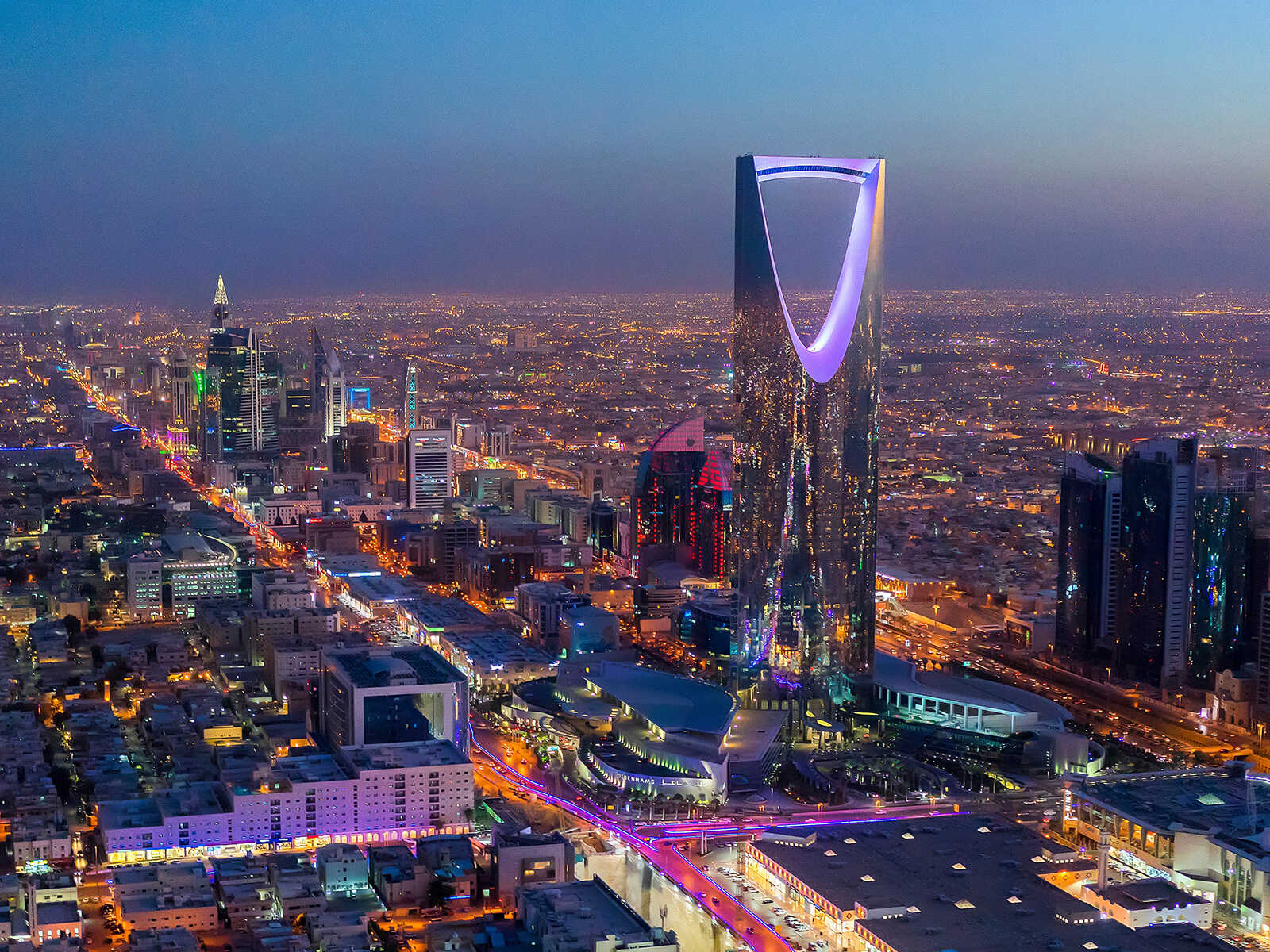
Saudi Arabia's major cities, such as Riyadh, Jeddah, and Dammam, boast modern infrastructure designed to make urban exploration convenient and efficient for visitors.
Ride-Sharing Apps
For unparalleled convenience and transparency, ride-sharing apps like Uber and Careem are incredibly popular and widely available across all major Saudi cities. They offer fixed, upfront prices, cashless transactions, and a generally comfortable experience, making them an excellent choice for navigating to iconic landmarks such as the King Fahad's Fountain in Jeddah or the historic Masmak Fortress in Riyadh. With easy booking and real-time tracking, these apps are often the preferred mode of transport for tourists.
Taxis
Traditional taxis are readily available, particularly at airports, major hotel complexes, and popular attractions. While many official taxis operate with meters, it's always advisable to confirm the estimated fare or agree on a price with the driver before commencing your journey, especially for longer distances or if the meter isn't clearly visible. For quick, spontaneous trips, taxis can be a reliable option.
Public Transport (Metro & Buses)
Public transport networks are undergoing significant development and expansion. Riyadh and Jeddah, in particular, are seeing the rollout of impressive metro systems, with some lines already operational and more under construction, aiming to provide world-class urban mobility. Buses offer a more extensive network in many cities, providing an economical way to travel, though they might not always be the most direct or comfortable option for tourists unfamiliar with the routes. Always check local schedules and routes via apps or information centers, especially if planning to visit areas like the picturesque Floating Mosque in Jeddah or local markets.
Traveler Tip:While public transport is rapidly improving, ride-sharing apps or private taxis often remain the most convenient and time-efficient for tourists seeking direct routes to specific attractions and greater flexibility.
Car Rental
Renting a car offers the ultimate freedom and flexibility to explore at your own pace, especially for those comfortable with driving in a new country. Major international and local car rental agencies operate extensively at airports and in city centers. An International Driving Permit (IDP) is usually required in addition to your national license. Roads are generally well-maintained and modern, but be prepared for heavy traffic congestion in metropolitan areas during peak hours. Fuel is widely available and typically affordable.
Inter-City Travel
Connecting Saudi Arabia's vast cities and regions is efficient, with several reliable options catering to different preferences and budgets.
Domestic Flights
Given the immense distances between major urban centers, domestic flights are often the quickest and most practical way to travel across the kingdom. Saudi Arabia boasts a well-developed network of modern airports, with frequent services connecting hubs like Riyadh, Jeddah, and Dammam to numerous regional airports. This mode of travel is especially practical for reaching culturally rich destinations like AlUla, or for pilgrims traveling efficiently between Jeddah (the gateway to Masjid al-Haram and the Kaaba in Mecca) and Medina (home to Al Masjid an Nabawi and sites like Uhud Mountain).
High-Speed Rail (Haramain Express)
The Haramain High-Speed Railway is a testament to Saudi Arabia's modern infrastructure, connecting the holy cities of Mecca and Medina with Jeddah and King Abdullah Economic City. This state-of-the-art train offers a fast, comfortable, and highly efficient way to travel between these key destinations, proving immensely popular with both pilgrims and tourists. Services are frequent, but booking tickets in advance, especially during peak seasons like Hajj and Umrah, is strongly recommended to secure your seat.
Buses
Long-distance bus services, primarily operated by the Saudi Public Transport Company (SAPTCO), connect most towns and cities across the kingdom. While significantly more economical than flying, bus journeys can be lengthy due to the vast distances involved. Buses offer a good, budget-friendly option for travelers who aren't time-constrained or for reaching destinations not directly served by air or rail. The comfort level varies, so it's wise to check reviews if possible.
Driving Between Cities
For those who relish the open road, driving between Saudi cities offers a unique opportunity to experience the country's diverse landscapes firsthand. The main highways are of excellent quality, often multi-lane and well-maintained. However, distances can be substantial, and services (fuel stations, rest stops, food outlets) can be sparse in more remote stretches. Ensure your rental car is in excellent condition, plan your route meticulously with designated breaks, and carry sufficient water and snacks, especially when traversing less populated areas.
Exploring Remote and Unique Destinations
Accessing Saudi Arabia's more adventurous and unique locales often requires specific transportation arrangements due to their remote nature.
Organized Tours & Private Drivers
For destinations like the breathtaking geological wonders of the Edge of the World near Riyadh, or the ancient, awe-inspiring sites within Land of Civilizations and AlUla, joining an organized tour is highly recommended. These tours typically include transportation in suitable vehicles (often comfortable 4x4s), experienced drivers, and knowledgeable local guides, ensuring a safe, informative, and hassle-free visit to areas that might be challenging to reach independently. Alternatively, hiring a private driver for a day or multiple days can provide greater flexibility for your itinerary, though this might be a more premium option.
4x4 Rentals
Experienced off-road drivers might consider renting a 4x4 vehicle for self-exploration of Saudi Arabia's magnificent desert landscapes. However, this option is only advisable for those with significant desert driving experience, a thorough understanding of off-road navigation, and proper safety equipment. Some areas can be extremely challenging and remote, and cellular coverage may be limited. Always inform someone of your detailed itinerary and expected return time when venturing into remote desert areas, and travel with at least one other vehicle if possible.
Practical Tips for Travelers
Road Conditions & Driving Culture
Saudi roads are generally excellent, particularly major highways and urban thoroughfares. However, driving habits can sometimes be assertive, especially in bustling city centers. Speed limits are strictly enforced, and adherence to traffic laws is paramount for your safety and to avoid penalties. Always be vigilant and aware of your surroundings, especially at intersections, roundabouts, and during sudden changes in lane.
Language & Navigation
While Arabic is the official language, English is widely understood and spoken in business, tourism, and by younger generations, particularly in major cities and tourist areas. Navigation apps like Google Maps and Waze work exceptionally well throughout the kingdom, providing accurate directions and real-time traffic updates. It's always a good practice to download offline maps before venturing into areas with potentially limited cellular coverage, such as some desert regions or smaller towns.
Fun Fact:Saudi Arabia is home to some of the longest continuous straight roads in the world, including the infamous Highway 10, which stretches for over 240 kilometers (150 miles) without a single bend – perfect for appreciating the vastness of its desert landscapes!
Safety & Regulations
Always carry your identification documents (passport, visa, driving license if applicable) when traveling. Be aware of local driving regulations, such as mandatory seatbelt use for all occupants. For women, while there are no restrictions on driving, it's always wise to dress modestly when traveling, particularly outside major metropolitan areas or when visiting revered religious sites like Masjid al-Haram in Mecca or Al Masjid an Nabawi in Medina. Respect local customs and laws to ensure a smooth and enjoyable trip.
Conclusion
Saudi Arabia's transportation network is robust, modern, and continually improving, offering a diverse array of options to suit every traveler's itinerary, budget, and sense of adventure. Whether you're soaring above the desert in a domestic flight, gliding smoothly on a high-speed train, navigating bustling city streets with a ride-sharing app, or embarking on a thrilling 4x4 expedition to the Center Point of exploration, getting around this fascinating kingdom is increasingly convenient. Plan your journeys wisely, embrace the adventure, and discover the myriad wonders Saudi Arabia has to offer with ease and confidence.