
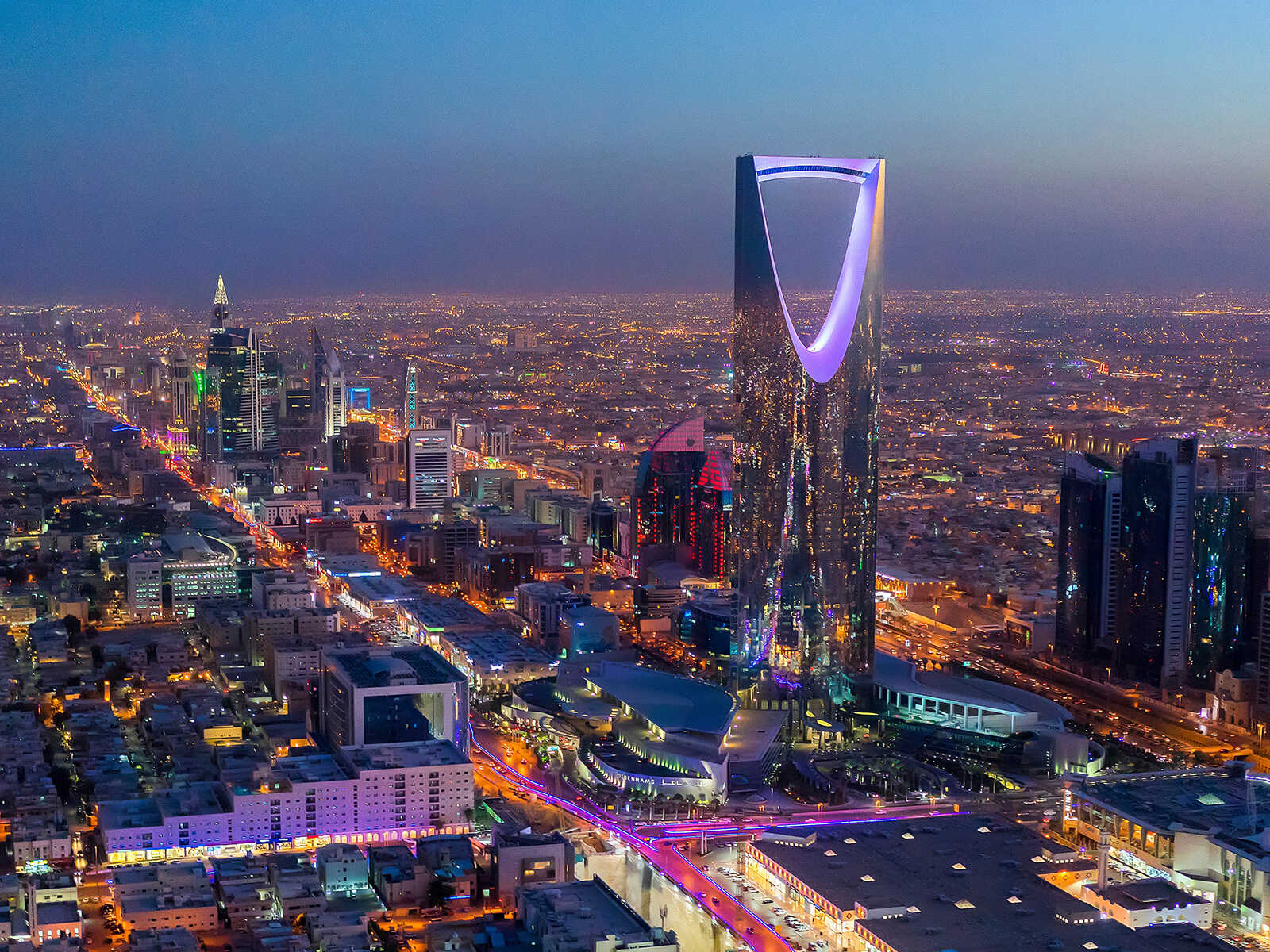
Is Saudi Arabia Safe for Tourists? Essential Tips for a Smooth Trip
Saudi Arabia is rapidly emerging as a captivating tourist destination, inviting travelers to explore its rich history, stunning landscapes, and vibrant culture. As the Kingdom opens its doors, a common question for prospective visitors is about safety and what to expect. Rest assured, with a bit of preparation and cultural understanding, a safe and incredibly rewarding journey awaits.
Understanding Saudi Arabia's Transformation
Under the ambitious Vision 2030, Saudi Arabia is undergoing a profound transformation, diversifying its economy and significantly investing in tourism infrastructure. This initiative has brought about considerable modernization and a concerted effort to ensure the safety and comfort of international visitors. The government has prioritized security, making it a generally safe country with low crime rates, especially against tourists.
General Safety and Security
Saudi Arabia is considered a very safe country for tourists. Street crime is exceptionally low, and violent crime is rare. The government maintains a strong security presence, which contributes to the overall sense of safety. While political stability is generally high, it's always wise to stay informed about current events through reputable news sources, as you would when traveling anywhere internationally.
- Emergency Services:In case of an emergency, dial 999 for police, 997 for ambulance, and 998 for fire services. Major cities have modern medical facilities.
- Local Authorities:Be respectful and cooperative if approached by local authorities.
Cultural Awareness and Respect
One of the most crucial aspects of ensuring a smooth and safe trip in Saudi Arabia is understanding and respecting local customs and traditions. The Kingdom is a conservative society, and adhering to its cultural norms will enhance your experience and avoid misunderstandings.
Dress Code
Modesty is key for both men and women, though expectations for tourists are more relaxed than for residents. Generally, women are not required to wear an abaya (a loose, full-length robe) or cover their hair, except when visiting mosques or religious sites. However, dressing modestly is highly recommended.
- For Women:Opt for loose-fitting clothing that covers shoulders and knees. Avoid revealing attire.
- For Men:Shorts are generally acceptable in casual settings, but long trousers are preferred for more formal occasions or when visiting religious sites.
Social Interactions
Public displays of affection are not customary and should be avoided. When interacting with locals, politeness and respect are paramount.
Tip:Always ask for permission before photographing people, especially women. Photographing government buildings or military installations is strictly prohibited.
Ramadan and Prayer Times
If you travel during the holy month of Ramadan, be aware that eating, drinking, and smoking in public during daylight hours are forbidden for everyone, including tourists. Business hours may also be altered. Throughout the year, businesses and attractions may pause during the five daily prayer times, so factor this into your schedule.
Health and Medical Facilities
Saudi Arabia boasts high-quality medical facilities, particularly in major cities like Riyadh, Jeddah, and Dammam. Hospitals are modern, well-equipped, and often have English-speaking staff. It's advisable to have comprehensive travel insurance that covers medical emergencies and potential evacuation.
- Hydration:The climate can be very hot, especially outside of winter. Stay well-hydrated by drinking plenty of water.
- Sun Protection:Use sunscreen, wear hats, and seek shade to protect against the strong sun.
- Food and Water:Tap water is generally safe in cities, but bottled water is widely available and preferred by many. Food hygiene standards are good, but exercise caution with street food, as you would in any new destination.
Transportation Safety
Getting around Saudi Arabia is generally safe and efficient.
- Ride-Sharing:Apps like Uber and Careem are widely available, reliable, and a popular choice for tourists. They offer a convenient way to travel, often with upfront pricing.
- Taxis:Official taxis are generally safe, but ensure the meter is used or agree on a fare beforehand.
- Driving:If you plan to rent a car, be aware that driving styles can be assertive, and road rules are not always strictly followed. Defensive driving is recommended.
- Public Transport:Major cities are developing their public transport networks, such as the Riyadh Metro.
Navigating Specific Regions
Saudi Arabia offers a diverse range of attractions, each with its own unique considerations.
Major Cities
Cities like Riyadh, Jeddah, and Dammam are cosmopolitan and generally very safe. In Riyadh, explore historical sites like the Masmak Fortress or enjoy modern shopping at Center Point. Jeddah offers coastal charm with sights like King Fahad's Fountain and the Floating Mosque. These urban centers are well-policed and have all the amenities tourists require.
Historical and Natural Sites
Venturing to remote historical and natural sites like AlUla or the Edge of the World is a highlight for many. These areas are well-managed for tourism, but it's always wise to travel with a reputable tour operator or ensure you have reliable transportation and communication, especially in less populated areas. The Land of Civilizations initiative highlights many of these incredible regions.
Religious Sites
The holy cities of Mecca and Medina hold immense spiritual significance. Access to the central parts of Mecca, including the Kaaba and Masjid al-Haram, is strictly restricted to Muslims. In Medina, non-Muslims can visit certain areas, but access to the Al Masjid an Nabawi and the Prophet's Mosque courtyards is usually restricted. Sites like Uhud Mountain are generally accessible. If you are not Muslim, plan your itinerary accordingly and respect these regulations.
Practical Safety Tips for Tourists
Beyond cultural awareness, a few practical tips can ensure a smoother journey.
Documentation
Always carry a copy of your passport and visa, and keep the originals in a secure place. Ensure your visa is valid for your entire stay. Saudi Arabia has implemented an e-Visa system, making the application process straightforward for tourists from eligible countries.
Local Laws and Customs
Be aware of and adhere to Saudi Arabian laws. Alcohol is strictly prohibited throughout the Kingdom, as are drugs. Public intoxication is not tolerated. Penalties for drug-related offenses are severe. Modest behavior, avoiding loud music in public, and refraining from public displays of affection are important.
Staying Connected
Purchasing a local SIM card upon arrival is easy and affordable, providing reliable mobile data and connectivity. Wi-Fi is also widely available in hotels and cafes.
Emergency Contacts
Save important emergency numbers in your phone, including local police, ambulance, and your country's embassy or consulate. Inform someone of your travel plans and itinerary.
Final Thoughts: Embracing the Experience
Saudi Arabia is a destination rich with history, natural beauty, and warm hospitality. While cultural differences exist, approaching your trip with an open mind, respect for local customs, and basic safety precautions will ensure a memorable and safe adventure. The Kingdom is eager to welcome visitors, and by being a respectful and informed traveler, you'll find it to be a remarkably secure and captivating place to explore.