
Flying to Saudi Arabia: Best Airports and Arrival Information
Saudi Arabia, a land of ancient heritage and ambitious modernity, is increasingly accessible to global travelers. Whether your journey is for business, tourism, or pilgrimage, understanding the primary entry points and arrival procedures is key to a smooth experience. This guide will navigate you through the best airports and essential arrival information for your trip to the Kingdom.
Saudi Arabia's Major International Airports
The Kingdom boasts several international airports, each serving as a vital gateway to different regions. The three largest and most frequently used for international arrivals are located in Riyadh, Jeddah, and Dammam, with others offering specialized access to key destinations.
King Khalid International Airport (RUH), Riyadh
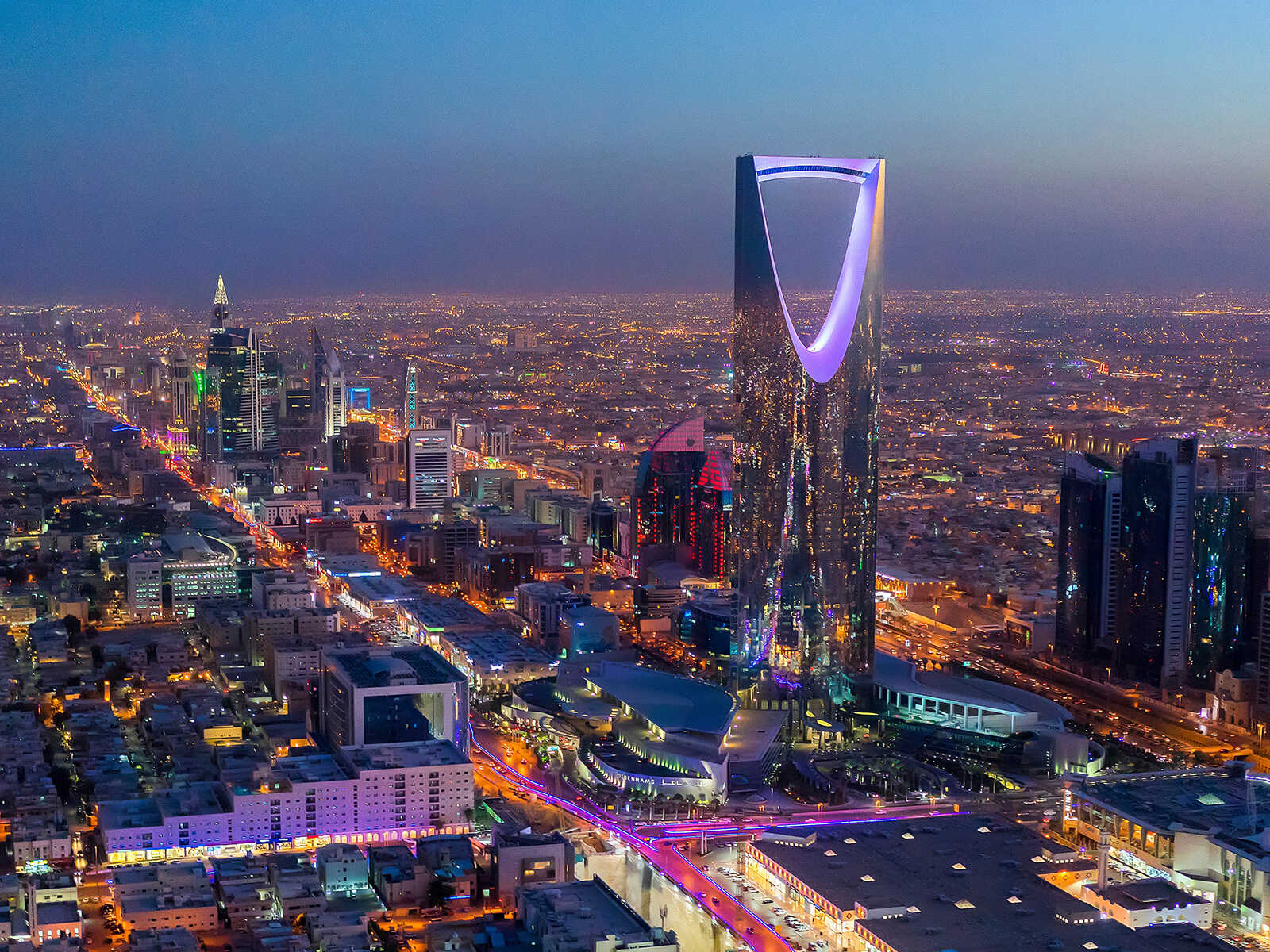
Located in the capital city, Riyadh, RUH is a bustling hub for business travelers and those keen to explore the heart of Saudi Arabia. It offers a wide range of international connections and is well-equipped with modern facilities. From here, you can easily access Riyadh's urban attractions, including its towering skyscrapers and historical sites like the Masmak Fortress. For those seeking adventure outside the city, the dramatic landscapes of the Edge of the World are also within reach.
King Abdulaziz International Airport (JED), Jeddah
Jeddah's JED is arguably the most significant airport for many international visitors, particularly pilgrims. It serves as the primary gateway to the holy cities of Mecca and Medina. For pilgrims performing Hajj or Umrah, this airport is often the first point of entry before heading to the Masjid al-Haram in Mecca (home to the Kaaba) or Al Masjid an Nabawi in Medina. Beyond pilgrimage, Jeddah itself is a vibrant coastal city offering attractions like the majestic King Fahad's Fountain and the serene Floating Mosque.
Travel Tip:During Hajj and Umrah seasons, JED experiences extremely high traffic. Book flights and accommodation well in advance and prepare for potentially longer wait times.
King Fahd International Airport (DMM), Dammam
Situated in the Eastern Province, DMM serves the oil-rich region and is a convenient entry point for those traveling for business within the petrochemical industry. It also offers relatively easy access to Bahrain via a causeway, making it a gateway for cross-border travel. The airport is known for its spacious design and modern amenities.
Prince Mohammad Bin Abdulaziz International Airport (MED), Medina
While JED handles a significant portion of pilgrimage traffic, MED offers direct access to Medina, making it an excellent choice for those whose primary destination is the Prophet's City. This airport is designed to cater specifically to pilgrims, providing a welcoming and efficient experience for visitors to Al Masjid an Nabawi and sites like Uhud Mountain.
AlUla International Airport (ULH), AlUla
For those eager to explore Saudi Arabia's burgeoning tourism destinations, AlUla International Airport provides direct access to the ancient wonders of AlUla. This airport is crucial for tourists visiting the UNESCO World Heritage site of Hegra and other historical and natural marvels within the Land of Civilizations. As tourism to AlUla grows, ULH is expanding its international routes.
Arriving in Saudi Arabia: What to Expect
Upon landing, the arrival process generally involves immigration, baggage claim, and customs. Efficiency can vary depending on the airport, time of day, and season.
Visa and Entry Requirements
Before you even book your flight, ensure you have the correct visa. Saudi Arabia has introduced various visa options to facilitate tourism and business:
- Tourist eVisa:Eligible nationalities can apply online for a multiple-entry visa valid for up to one year, allowing stays of up to 90 days per visit. This is the most common and convenient option for tourists.
- Visa on Arrival:Citizens of certain countries may be eligible for a visa on arrival at international airports. However, it's always best to apply for an eVisa beforehand to avoid potential delays or issues.
- Umrah/Hajj Visas:These are specialized visas with specific requirements and application processes, typically managed through authorized travel agencies.
- Business/Work Visas:For those traveling for professional purposes, specific business or work visas are required, usually sponsored by a Saudi entity.
Always check the latest visa regulationson the official Saudi Ministry of Foreign Affairs website or through your embassy, as requirements can change.
Immigration and Customs
Upon arrival, you will proceed to immigration. Be prepared to present your passport, visa (or eVisa printout/confirmation), and possibly your flight itinerary. Biometric scans (fingerprints and facial recognition) are standard. The process is generally straightforward but can take time during peak hours. After immigration, collect your luggage and proceed to customs. Be aware of prohibited items, which strictly include:
- Alcohol and products containing alcohol
- Pork and pork products
- Religious materials contrary to Islam
- Pornographic materials
- Drugs and narcotics (severe penalties apply)
- Firearms and ammunition
If in doubt about an item, declare it to customs officials.
Getting Around from the Airport
Once you've cleared customs, several transportation options are available to take you to your final destination:
- Taxis:Licensed airport taxis are readily available. Always ensure the meter is used or agree on a fare before starting your journey.
- Ride-Hailing Apps:Uber and Careem operate widely in Saudi Arabia's major cities and are a convenient and often preferred option for many travelers.
- Car Rental:All major international car rental companies have desks at the airports. An International Driving Permit (IDP) is usually required in addition to your national license.
- Hotel Shuttles:Many hotels, especially in Riyadh and Jeddah, offer pre-arranged airport transfer services. Check with your accommodation.
- Public Transport:While expanding, public transport options like buses and metro systems (Riyadh Metro is under development) are still limited for direct airport connections compared to Western cities.
Tips for a Smooth Arrival
To ensure your arrival in Saudi Arabia is as seamless as possible, consider these practical tips:
- Dress Modestly:While tourist dress codes are more relaxed than in the past, dressing modestly upon arrival is always respectful and advisable, especially for women.
- Local Currency:While credit cards are widely accepted, having some Saudi Riyals (SAR) for smaller purchases or immediate transport can be helpful. ATMs are available at all airports.
- Connectivity:Consider purchasing a local SIM card upon arrival. Major providers like STC, Mobily, and Zain have kiosks at airports, offering affordable data plans.
- Language:Arabic is the official language, but English is widely spoken in airports, hotels, and tourist areas.
- Cultural Awareness:Saudi Arabia is a conservative country. Familiarize yourself with local customs and etiquette to ensure a respectful and enjoyable visit.
Flying to Saudi Arabia is an exciting prospect, opening doors to a land rich in culture, history, and natural beauty. By understanding the key airports and arrival procedures, you're well on your way to a memorable journey through this captivating Kingdom.