
The Fascinating History of Sao Tome and Principe
Nestled in the Gulf of Guinea, the twin islands of Sao Tome and Principe boast a history as rich and complex as their volcanic landscapes. From their uninhabited discovery to becoming a crucial hub in the transatlantic slave trade and later a major cocoa producer, these islands offer a captivating journey through time that continues to shape their vibrant culture today.
Discovery and Early Portuguese Colonization
The islands of Sao Tome and Principe lay uninhabited until their discovery by Portuguese navigators João de Santarém and Pêro Escobar around 1470-1471. Sao Tome, named after Saint Thomas, was sighted on December 21st, and Principe, then called Santo Antão, was discovered shortly after. Their strategic location, just off the coast of Central Africa, made them ideal stopping points for ships engaged in trade with the African continent.
The Portuguese crown began efforts to colonize the islands in the late 15th century, sending settlers, including exiled criminals and Jewish children, to establish a presence. The fertile volcanic soil and abundant water promised agricultural potential, but the initial challenges of tropical disease and isolation were immense. Early communities slowly took root, laying the groundwork for what would become a pivotal colonial enterprise.
The Rise and Fall of the Sugar Islands
By the early 16th century, Sao Tome and Principe had transformed into a major sugar-producing colony. The islands' equatorial climate and rich soil proved perfect for sugarcane cultivation. However, this agricultural boom came at a devastating human cost. The Portuguese rapidly imported large numbers of enslaved people from the African mainland, turning Sao Tome into a "laboratory for tropical slavery" and a crucial transit point in the transatlantic slave trade.
The wealth generated by sugar was immense, but so were the brutalities of the plantation system. Conditions were harsh, leading to frequent revolts by the enslaved population. One of the most significant uprisings occurred in 1595, led by Amador, who proclaimed himself "King of Sao Tome" and challenged Portuguese rule for several years. By the mid-17th century, competition from Brazilian sugar and persistent slave revolts led to a decline in Sao Tome's sugar industry. The islands then transitioned primarily into a vital re-export hub for enslaved Africans destined for Brazil and the Caribbean.
The Cocoa and Coffee Empires: The *Roças*
The 19th century brought a new economic chapter for Sao Tome and Principe with the introduction of coffee and, more significantly, cocoa. The islands' climate was once again perfectly suited, leading to a massive boom that saw them become one of the world's largest cocoa producers by the early 20th century, earning them the moniker "Chocolate Islands."
This era was defined by the *roças* – vast, self-sufficient plantation estates that functioned almost like small towns, complete with hospitals, schools, and even their own currencies. While the sugar era of overt slavery had officially ended, the *roça* system relied heavily on contract laborers, often recruited under coercive conditions from other Portuguese colonies like Angola, Mozambique, and Cape Verde. These workers faced harsh conditions, long hours, and limited freedoms, perpetuating a system that many described as forced labor under a different name. Many of these historic *roças*, though often in ruins, can still be explored today, offering a stark glimpse into this complex past. The produce from these plantations would often be transported to ports like Porto Alegre for shipment.
"Sao Tome and Principe's history is a powerful narrative of human resilience and exploitation, where the sweetness of sugar and chocolate was built upon immense suffering. Understanding this past is key to appreciating the islands' vibrant present."
The Path to Independence
As the 20th century progressed, a growing sense of nationalism emerged across Portuguese Africa. In Sao Tome and Principe, this movement gained momentum after World War II, fueled by increasing awareness of self-determination and the continued exploitation under colonial rule. The Movement for the Liberation of São Tomé and Príncipe (MLSTP) was founded in 1960, advocating for independence.
A pivotal moment in the struggle was the Batepá Massacre in 1953, where Portuguese colonial authorities brutally suppressed a protest by African laborers, resulting in hundreds of deaths. This event galvanized the independence movement and became a symbol of colonial oppression. The Carnation Revolution in Portugal in April 1974, which overthrew the authoritarian Estado Novo regime, paved the way for the peaceful decolonization of its African territories. On July 12, 1975, Sao Tome and Principe proudly declared its independence, with Manuel Pinto da Costa becoming its first president.
Post-Independence Era: Challenges and New Horizons
The newly independent nation faced significant challenges. The transition from a colonial plantation economy to a self-sufficient state was difficult. The nationalization of the *roças* led to a decline in agricultural output, and the country initially adopted a single-party socialist system. Economic hardship persisted, leading to a shift towards a multi-party democracy in the early 1990s, ushering in greater political freedoms.
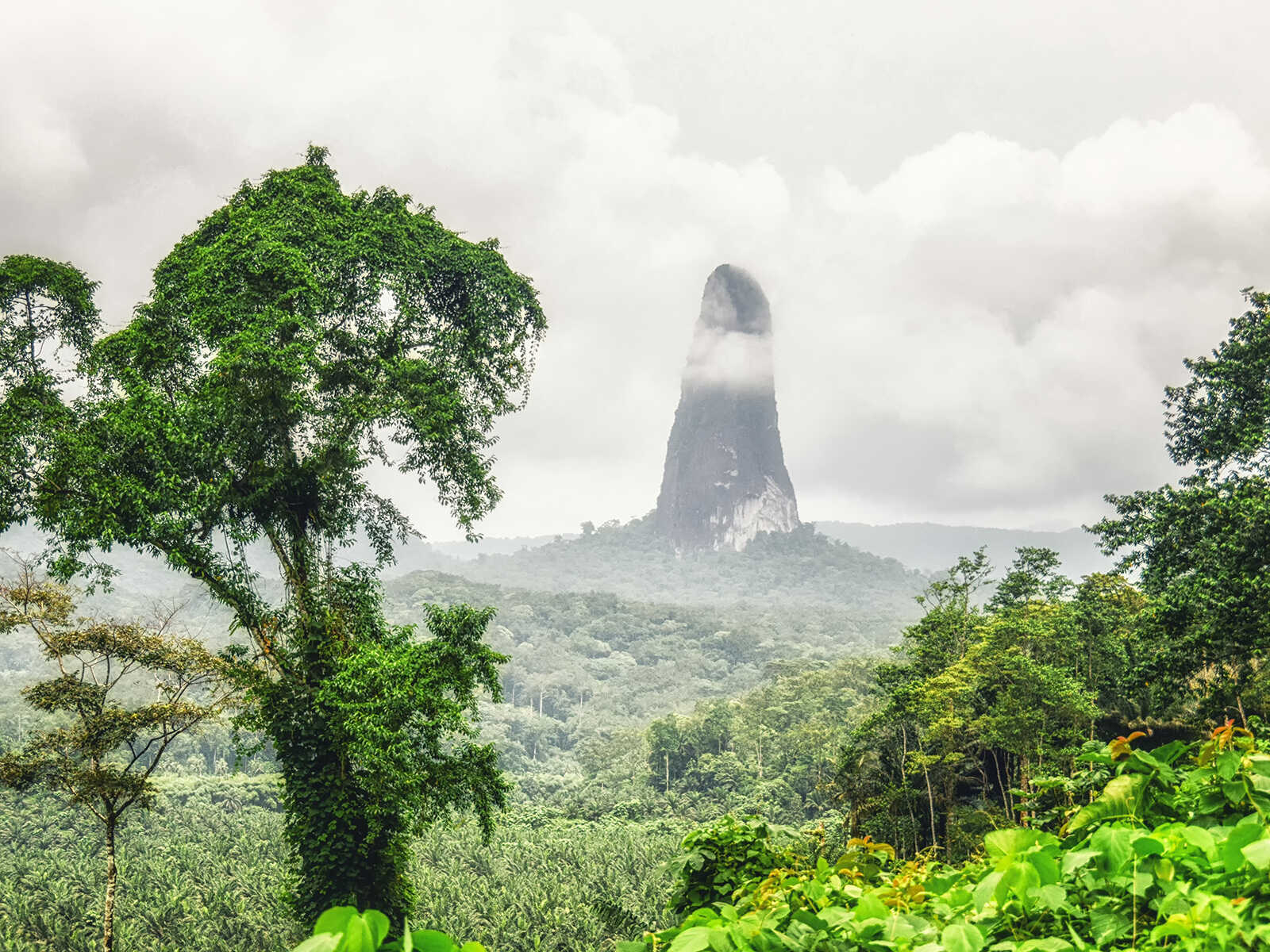
The late 20th and early 21st centuries brought new hopes and challenges. The discovery of oil reserves in the territorial waters sparked optimism for economic prosperity, though managing these resources responsibly and avoiding the "resource curse" remains a key focus. Today, Sao Tome and Principe is increasingly recognized for its incredible natural beauty and commitment to eco-tourism. Visitors are drawn to its pristine beaches like Praia das Bananas and Praia Jale(a vital turtle nesting site), dramatic volcanic landscapes such as Cão Grande Peak, and unique geological formations like Hellmouth. The tranquil waters of Lagoa Azul offer stunning snorkeling, while a visit to Rolas Island allows you to stand on the Equator itself.
A Living History: Culture and Legacy
The history of Sao Tome and Principe is not just found in old documents or crumbling *roças*; it lives on in the vibrant culture of its people. The linguistic landscape is a testament to this, with Portuguese as the official language, alongside various Portuguese-based Creole languages like Forro, Angolar, and Lungwa, each reflecting different waves of migration and historical experiences.
The islands' music, dance, and cuisine are rich tapestries woven from African traditions and Portuguese influences. The resilience, warmth, and hospitality of the Santomean people are deeply rooted in their shared history, characterized by both hardship and enduring hope. As the nation looks to the future, it strives to balance economic development with the preservation of its unique cultural heritage and breathtaking natural environment, inviting visitors to discover a truly special corner of the world.