
Sao Tome City Guide: Top Things to Do and See in the Capital
Nestled on the equator, São Tomé City is the captivating capital of São Tomé and Príncipe, offering a vibrant blend of colonial history, lush natural beauty, and a laid-back island atmosphere. This guide will take you through the must-see sights and experiences in this charming West African hub, ensuring you make the most of your visit.
São Tomé City, often simply called "São Tomé" by locals, serves as the heart of this tropical island nation. Its colorful streets are lined with Portuguese colonial architecture, bustling markets, and a friendly community that embodies the spirit ofleve-leve– "take it easy." From historic fortresses to scenic waterfronts, the city provides a perfect starting point for exploring the wider wonders of the archipelago.
A Glimpse into History and Culture
The capital city is steeped in history, reflecting centuries of Portuguese influence and the rich cultural tapestry of its people. Exploring its historical sites offers a fascinating insight into the island's past.
Fortress of São Sebastião (Museu Nacional)
Dominating the northern end of Ana Chaves Bay, the Fortress of São Sebastião is São Tomé City's oldest surviving building, dating back to 1575. Originally built to protect the harbor from pirates, it now houses the Museu Nacional de São Tomé e Príncipe. Inside, you'll find artifacts detailing the island's colonial history, its role in the slave trade, and its journey to independence. The views from its ramparts are also magnificent.
Cathedral of São Tomé
Standing proudly in the city center, the Cathedral of Our Lady of Grace (Sé Catedral de Nossa Senhora da Graça) is a significant religious landmark. Its current neoclassical façade dates from the late 19th century, though its origins trace back to the 16th century. Step inside to admire its serene interior and reflect on centuries of faith.
Presidential Palace and Independence Square
The elegant pink-hued Presidential Palace, a grand colonial edifice, overlooks the central Independence Square (Praça da Independência). This square is a focal point for city life and national celebrations, often adorned with flags and bustling with activity. It's a great spot to observe daily life and appreciate the city's architectural heritage.
Bustling Local Markets
No visit to São Tomé City is complete without immersing yourself in the vibrant atmosphere of its local markets. The Mercado Municipal is a sensory delight, where vendors sell an array of fresh produce, exotic fruits, fish, spices, and local crafts. It's the perfect place to interact with locals, practice your Portuguese, and discover unique souvenirs. Don't miss the chance to sample some local street food.
Tip:Engage with vendors, but remember that bargaining is common, especially for non-food items. Always be respectful and friendly.
Coastal Charms and Waterfront Strolls
São Tomé City embraces the Atlantic, with its waterfront offering scenic views and relaxing spots.
Ana Chaves Bay and Waterfront Promenade
Ana Chaves Bay is the city's main harbor and a picturesque focal point. The newly developed waterfront promenade, known as the Marginal de São Tomé, is ideal for leisurely strolls, especially in the late afternoon. Watch fishing boats come and go, enjoy the sea breeze, and take in the views of the city stretching along the coast.
Praia Emília
While not a pristine white-sand beach, Praia Emília is a convenient city beach where locals often gather, especially on weekends. It offers a glimpse into local beach culture and is a decent spot for a quick dip or to simply relax by the ocean.
Savoring São Tomé: Culinary Delights
São Toméan cuisine is a delicious fusion of African, Portuguese, and Brazilian influences, with fresh seafood and tropical ingredients at its heart.
Local Cuisine and Restaurants
Indulge in the rich flavors of São Toméan dishes. Expect an abundance of fresh fish, often grilled or stewed with local spices, palm oil, and coconut milk. Popular staples includecalulu(a rich fish and vegetable stew),muqueca de peixe(fish stew), andfeijoada(bean stew). Many restaurants, from humble eateries to more upscale establishments, offer these traditional delights.
Coffee and Chocolate Experiences
São Tomé and Príncipe is historically known as "The Chocolate Island" due to its rich cocoa heritage. While many cocoa plantations (roças) are outside the city, you can still find excellent local chocolate and coffee in city shops and cafes. Look for artisanal chocolate makers for a truly authentic taste of the island's bounty. Consider visiting one of the nearby roças for a deeper dive into the production process.
Exploring Beyond the City Limits: Day Trips
While São Tomé City offers plenty to see, the island's true magic often lies just a short drive away. The capital serves as an excellent base for exploring the surrounding natural wonders and historical plantations.
Historic Roças (Plantations)
Venture inland to discover the sprawlingroças, former colonial plantations that once drove the island's cocoa and coffee industries. Many are now atmospheric ruins or working communities, offering a poignant look into the island's past. Popular ones include Roça São João dos Angolares (further south, known for its cuisine) and Roça Agostinho Neto (the largest on the island).
Iconic Natural Wonders
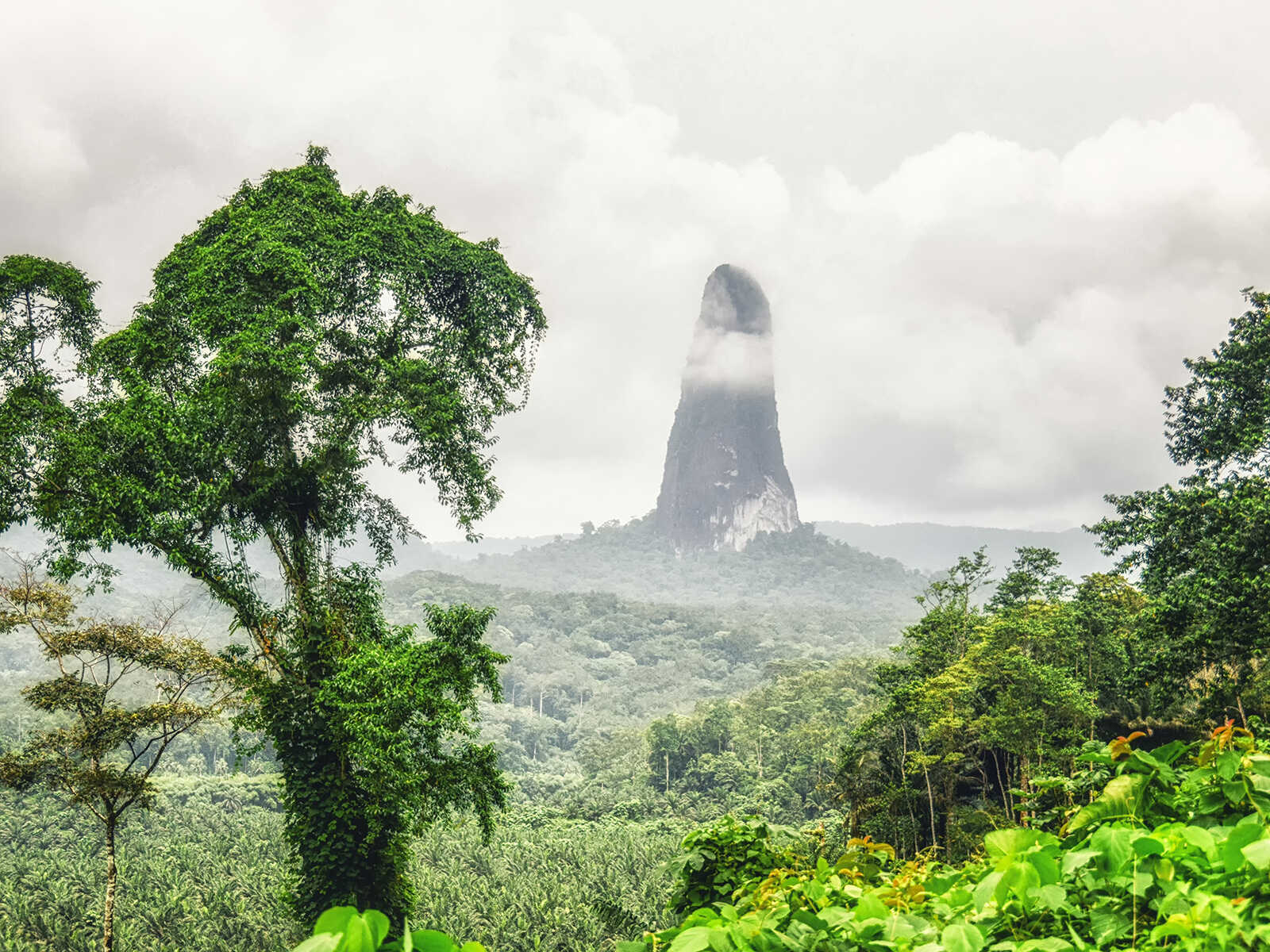
São Tomé is an island of breathtaking natural beauty. A day trip can take you to the dramatic volcanic plug of Cão Grande Peak, a striking geological formation that dominates the southern landscape. For stunning coastal scenery and excellent snorkeling, head north to Lagoa Azul, a tranquil bay with crystal-clear waters. Don't miss the powerful blowhole of Hellmouth(Boca do Inferno), where waves crash dramatically through a rock formation, creating spectacular sprays.
Further afield, but accessible for those willing to explore more, are pristine beaches like Praia das Bananas on Príncipe (though this article is about the capital, a general mention of other islands for context is fine), or the idyllic southern reaches near Porto Alegre, a gateway to exploring the truly remote south and even Rolas Island.
Did You Know?São Tomé and Príncipe is home to some of the world's highest rates of endemism, meaning many species of plants and animals found here exist nowhere else on Earth.
Practical Tips for Visiting São Tomé City
To ensure a smooth and enjoyable visit, keep these practical tips in mind.
Getting Around
The city center is easily walkable, allowing you to explore many attractions on foot. For longer distances or trips outside the city, taxis are readily available. Negotiate the fare before starting your journey. Shared taxis (alugueres) are a more economical option for getting around like a local, though they follow set routes.
Best Time to Visit
The dry season, from June to September, offers the most pleasant weather for exploring São Tomé City and the island, with less humidity and sunshine. However, the island is beautiful year-round, with the rainy season bringing lush greenery.
Safety and Etiquette
São Tomé City is generally safe, but common sense precautions apply. Be aware of your surroundings, especially at night, and safeguard your valuables. The local language is Portuguese, and while some English is spoken in tourist areas, knowing a few basic Portuguese phrases will greatly enhance your experience. Embrace theleve-levephilosophy and enjoy the relaxed pace of life.
Conclusion: Embrace the Leve-Leve Spirit
São Tomé City is more than just a capital; it's a gateway to understanding the unique charm and history of São Tomé and Príncipe. From its colonial past to its vibrant present, the city invites you to slow down, explore its hidden corners, and connect with its warm-hearted people. So pack your bags, embrace theleve-levespirit, and prepare for an unforgettable adventure in this captivating equatorial paradise.