
Sao Tome and Principe Culture and Traditions: Insights for Travelers
Nestled in the Gulf of Guinea, the twin islands of Sao Tome and Principe offer a captivating blend of African and Portuguese heritage. Travelers to this enchanting nation will discover a culture rich in history, vibrant traditions, and a distinct way of life shaped by centuries of unique influences.
A Melting Pot of Influences: Historical Roots
The cultural fabric of Sao Tome and Principe is a fascinating tapestry woven from its complex history. Discovered by the Portuguese in the 15th century, the islands became a significant hub for sugar production and later, a major transit point in the transatlantic slave trade. This historical foundation led to a unique creole society, where West African enslaved peoples and their descendants, alongside Portuguese settlers, forged a distinct identity.
The remnants of colonial architecture, particularly the grand "roças" (plantations) that once dominated the landscape, stand as silent witnesses to this past. Understanding this history is key to appreciating the resilience and adaptability that define the Santomean people and their traditions.
Language: The Heart of Communication
Portuguese is the official language and widely spoken, especially in urban areas and among younger generations. However, the heart of Santomean linguistic heritage lies in its vibrant creole languages, which evolved from Portuguese with significant African influences:
- Forro (or Sãotomense):The most widely spoken creole, particularly on Sao Tome. It’s a rich blend of archaic Portuguese and various West African languages.
- Angolar (or Ngola):Spoken primarily by the descendants of Angolan slaves, this creole is distinct and reflects a more direct African linguistic lineage.
- Principense (or Lunguyê):Unique to Principe Island, this creole is less common due to the smaller population but remains an important cultural marker.
While many locals appreciate attempts at basic Portuguese phrases like"Bom dia"(Good morning) or"Obrigado/a"(Thank you), the prevalence of creoles underscores the islands' deep-rooted cultural distinctiveness. English is not widely spoken outside of major tourist accommodations, so a phrasebook or translation app can be helpful.
Music and Dance: The Rhythmic Soul
Music and dance are integral to Santomean life, serving as powerful expressions of identity, storytelling, and celebration. The rhythms are infectious, echoing the fusion of African percussion and European melody.
- Tchiloli:A unique theatrical dance performance, often considered the national dance. It’s a dramatic retelling of European medieval plays (like Charlemagne stories) with African adaptations, performed by masked dancers to the accompaniment of drums and whistles.
- Danço-Congo:Another elaborate and energetic dance-drama, often performed during religious festivals and community gatherings. It features colorful costumes and intricate choreography.
- Socopé:A more contemporary and popular dance style, often heard at parties and social events, characterized by its lively beat and sensual movements.
Travelers may encounter impromptu musical gatherings or organized performances, especially during local festivals. These lively displays offer a profound insight into the islands' spirited culture.
Festivals and Celebrations: A Vibrant Tapestry
The calendar in Sao Tome and Principe is punctuated by a series of vibrant festivals, many with religious origins, reflecting the islands' predominantly Roman Catholic faith blended with traditional African customs.
- Carnival:Celebrated with immense enthusiasm before Lent, featuring parades, music, and elaborate costumes.
- Festa de São João (St. John's Festival):On June 24th, this festival is particularly lively, especially in the north of Sao Tome, with traditional dances, bonfires, and feasting.
- Festa de Santo António (St. Anthony's Festival):On June 13th, a significant religious celebration with processions and community events.
- Independence Day:July 12th is a national holiday, marked by official ceremonies, cultural events, and celebrations across the islands.
Attending a local festival is an unforgettable way to immerse yourself in the islands' joyful spirit and community life.
Cultural Tip:If you're fortunate enough to witness a Tchiloli or Danço-Congo performance, observe the intricate details of the costumes and the storytelling embedded in the movements. These performances are deeply symbolic and culturally significant.
Cuisine: Flavors of the Islands
Santomean cuisine is a delicious reflection of its abundant natural resources and cultural heritage. Fresh seafood is a staple, alongside a variety of tropical fruits and root vegetables.
- Calulu:Often considered the national dish, this rich and complex stew typically features fish or chicken cooked with palm oil, okra, taro leaves, and other vegetables.
- Feijoada:A hearty bean stew, often made with meat, reflecting Portuguese influence.
- Fresh Seafood:Grilled fish (such as flying fish or barracuda), shrimp, and lobster are plentiful and often prepared simply with local spices.
- Tropical Fruits:Mangoes, papayas, jackfruit, soursop, and bananas are available in abundance and form a significant part of the diet.
- Cocoa and Coffee:The islands are historically known for their high-quality cocoa and coffee. Sampling local chocolate or a fresh cup of Santomean coffee is a must.
Don't miss the opportunity to try local delicacies, whether at a roadside eatery or a formal restaurant. The flavors are fresh, vibrant, and authentically Santomean. Consider exploring the local markets, where you can see the bounty of the islands on display.
Arts and Crafts: Expression of Identity
Local craftsmanship in Sao Tome and Principe reflects the natural environment and cultural traditions. Visitors can find unique souvenirs and learn about traditional art forms.
- Wood Carvings:Intricately carved wooden figures, masks, and decorative items are common, often depicting local life, animals, or ancestral spirits.
- Woven Goods:Baskets, mats, and other items woven from natural fibers are both practical and artistic.
- Artisanal Chocolate:With a legacy of cocoa production, various local producers create high-quality, often organic, chocolate.
- Painting:Local artists capture the vibrant landscapes and daily life of the islands in their works.
Visiting local markets or small artisan shops is a great way to support the community and find authentic mementos of your trip.
Social Etiquette and Customs: Navigating Local Interactions
The Santomean people are known for their warmth and hospitality. Embracing local customs will enhance your travel experience.
- Greetings:Always greet people with a polite"Bom dia"(Good morning),"Boa tarde"(Good afternoon), or"Boa noite"(Good evening) before engaging in conversation. A handshake is common.
- "Leve-Leve":This Portuguese phrase, meaning "light-light" or "take it easy," embodies the laid-back and unhurried pace of life on the islands. Patience is a virtue here, and things may operate on a more relaxed schedule.
- Respect for Elders:Show deference to older individuals, both in conversation and general interaction.
- Dress Code:While the climate is hot, dressing modestly, especially when visiting villages or religious sites, is appreciated. Swimwear is generally reserved for beaches and resorts, such as those near Praia das Bananas or Praia Jale.
- Photography:Always ask for permission before taking photos of people, especially children. Be respectful if someone declines.
Religion: A Guiding Force
The vast majority of Santomeans identify as Roman Catholic, a legacy of Portuguese colonization. Churches are prominent features in towns and villages, and religious holidays are widely observed.
However, beneath the surface of formal Catholicism, elements of traditional African spiritual beliefs often persist, sometimes in a syncretic form. Ancestor veneration and belief in local spirits can subtly influence daily life and cultural practices, contributing to the islands' unique spiritual landscape.
Key Cultural Experiences for Travelers
To truly understand and appreciate Sao Tome and Principe, immerse yourself in its culture:
- Visit a Roça:Explore one of the historic cocoa or coffee plantations, such as Roça São João or Roça Agostinho Neto. These offer insights into the islands' colonial past and agricultural heritage.
- Explore Local Markets:Wander through the bustling markets in São Tomé city or in smaller towns like Porto Alegre. They are vibrant hubs of activity, offering a sensory feast of local produce, crafts, and daily life.
- Engage with Locals:Don't be shy to strike up conversations. Santomeans are generally friendly and happy to share their culture.
- Seek Out Traditional Performances:If your visit coincides with a festival or community event, seize the opportunity to witness Tchiloli or Danço-Congo.
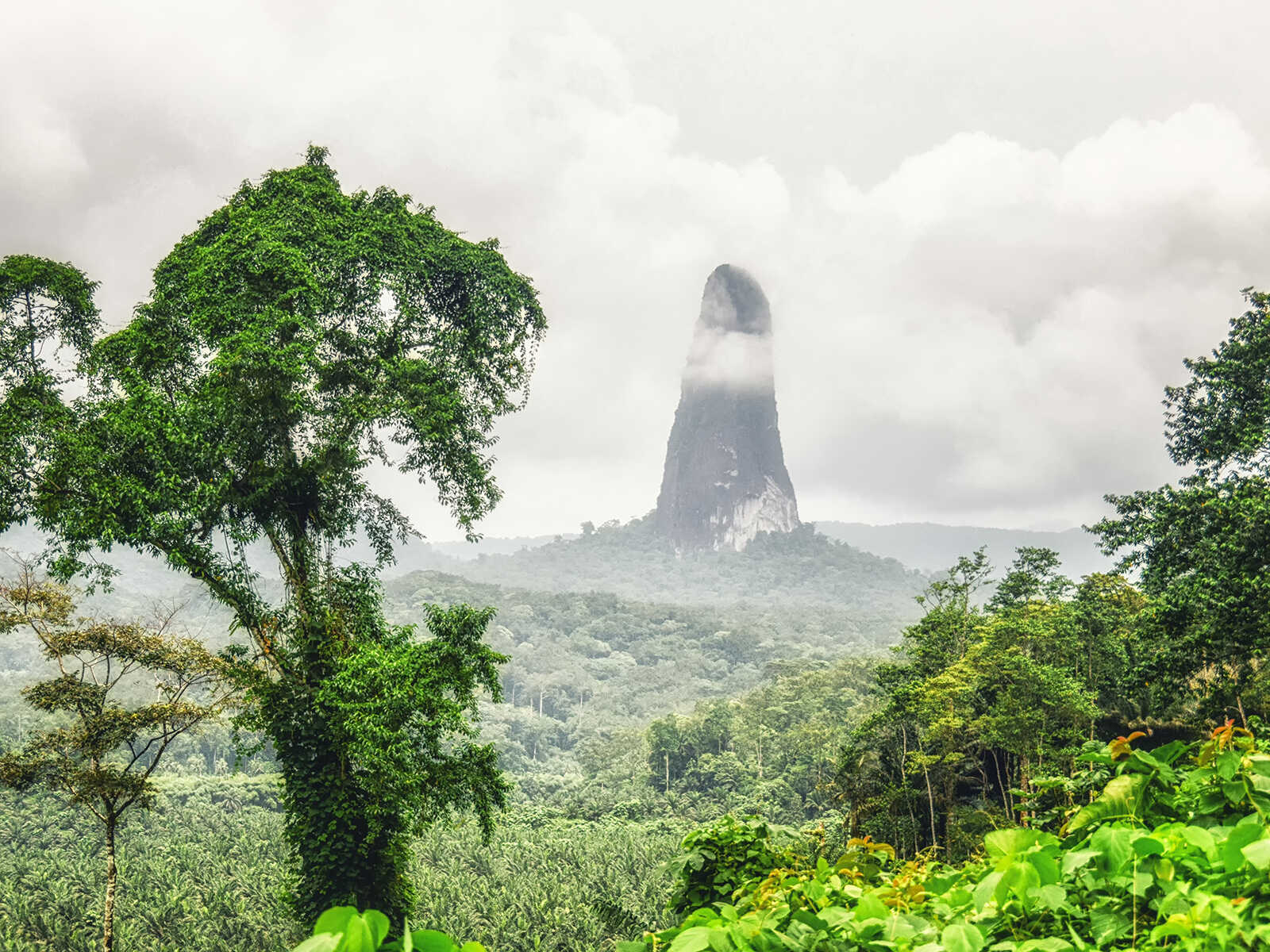
From the iconic Cão Grande Peak that dominates the skyline to the idyllic shores of Rolas Island and the natural wonders of Lagoa Azul and Hellmouth, the natural beauty of Sao Tome and Principe is undeniable. Yet, it is the rich, resilient, and welcoming culture of its people that truly makes these islands a captivating destination.