
Exploring Sao Tome and Principe's Cocoa and Coffee Plantations
Nestled in the Gulf of Guinea, Sao Tome and Principe are often dubbed the "Chocolate Islands," a testament to their rich history in cocoa production. These captivating islands offer an immersive journey into the world of tropical agriculture, inviting visitors to explore historic plantations that tell tales of a bygone era and the vibrant present of sustainable farming.
Sao Tome and Principe's fertile volcanic soil and equatorial climate created ideal conditions for cash crops. From the 19th century until independence, cocoa and coffee were the backbone of the economy, transforming the islands into a significant global producer. The legacy of this period is evident in the numerousroças(plantations) scattered across both islands, each a living museum showcasing the architectural grandeur, social structures, and agricultural techniques that shaped these nations. Today, these plantations are not just historical sites but active farms, many striving for organic certification and fair-trade practices, offering a unique blend of heritage and sustainable tourism.
The Plantation Experience: A Journey for the Senses
Visiting a plantation in Sao Tome and Principe is more than just a tour; it's an educational and sensory adventure. You'll walk through lush fields, shaded by towering trees, where cocoa pods burst forth in vibrant hues of green, yellow, and red. The air is often thick with the sweet, earthy aroma of fermenting beans or the rich scent of roasting coffee.
- Guided Walks:Local guides, often descendants of plantation workers, share personal stories and detailed insights into the cultivation process.
- Witnessing the Process:Observe firsthand how cocoa beans are harvested, fermented, and dried, or how coffee cherries are picked and processed.
- Tastings:Many tours culminate in a tasting session, where you can sample fresh cocoa fruit, locally made chocolate, or freshly brewed coffee.
- Cultural Immersion:Understand the socio-economic impact of the plantation system and the resilience of the communities that live and work there.
Iconic Plantations to Discover
Roça Agostinho Neto (formerly Roça Rio do Ouro)
Once the largest plantation on Sao Tome, Roça Agostinho Neto is an imposing testament to the island's colonial past. Its sprawling grounds feature a distinctive hospital, a well-preserved colonial mansion, and vast processing facilities. While some buildings are in disrepair, the sheer scale and the stories within its walls are captivating. Visitors can explore the remnants of its grandeur and witness the ongoing efforts to cultivate cocoa. It's a powerful experience, offering a window into the lives of those who worked the land.
Roça Monte Café
Perched in the cooler, higher altitudes of Sao Tome, Roça Monte Café is synonymous with coffee production. This plantation offers breathtaking panoramic views of the surrounding rainforest and valleys. Here, the focus is predominantly on coffee, and visitors can learn about the journey from coffee cherry to a steaming cup. There's often a small museum detailing the history of coffee on the island and a shop where you can purchase freshly roasted beans. The drive to Monte Café is an experience in itself, winding through lush landscapes.
"Sao Tome and Principe's unique terroir, shaped by volcanic activity and a pristine equatorial climate, imbues its cocoa and coffee with distinct, complex flavor profiles. This is truly a 'bean-to-bar' and 'bean-to-cup' destination like no other."
Roça São João dos Angolares
Located on the scenic southeast coast, Roça São João dos Angolares offers a different kind of plantation experience. Famed for its cultural restaurant run by celebrated chef João Carlos Silva, this roça combines culinary excellence with agricultural heritage. While still a working cocoa plantation, it's also a hub for local culture, art, and gastronomy. A visit here often includes a tour of the cocoa fields followed by an unforgettable meal featuring local ingredients. This area is also a gateway to exploring the southern part of the island, including Porto Alegre.
Exploring Plantations on Príncipe Island
Príncipe, the smaller and wilder of the two islands, also boasts its own set of fascinating roças. One notable example is Roça Belo Monte, now a luxury eco-resort that has beautifully restored its colonial buildings while maintaining active cocoa cultivation. From here, guests can easily access stunning beaches like Praia das Bananas. Exploring Príncipe's plantations often feels even more remote and untouched, offering a profound sense of stepping back in time amidst pristine nature.
The Cocoa Journey: From Pod to Palate
Understanding the cocoa process is central to appreciating Sao Tomean chocolate.
- Harvesting:Ripe cocoa pods are carefully hand-picked from the tree trunks and branches.
- Cracking:The pods are split open to reveal the white pulp-covered beans inside.
- Fermentation:The beans, still covered in pulp, are piled or placed in wooden boxes to ferment for several days. This crucial step develops the chocolate's flavor precursors.
- Drying:The fermented beans are then spread out on drying beds, often under the sun, to reduce moisture content.
- Roasting & Processing:Once dried, beans are typically sent for roasting, winnowing (removing shells), grinding into liquor, and then conching and tempering to create chocolate. Many local producers now handle these steps on the islands, creating delicious "bean-to-bar" products.
The Coffee Story: From Cherry to Cup
While cocoa dominates, Sao Tome's coffee has a rich history and is experiencing a revival. The mountainous interior provides ideal conditions for Arabica, while Robusta thrives in lower altitudes.
- Picking:Coffee cherries are hand-picked when perfectly ripe.
- Processing:Depending on the method, cherries are either sun-dried whole (dry process) or have their pulp removed before drying (wet process).
- Milling:The dried parchment is removed to reveal the green coffee bean.
- Roasting:Beans are roasted to various degrees to bring out their unique flavors.
- Brewing:Finally, the roasted beans are ground and brewed, offering a rich, aromatic experience.
Practical Tips for Your Plantation Tour
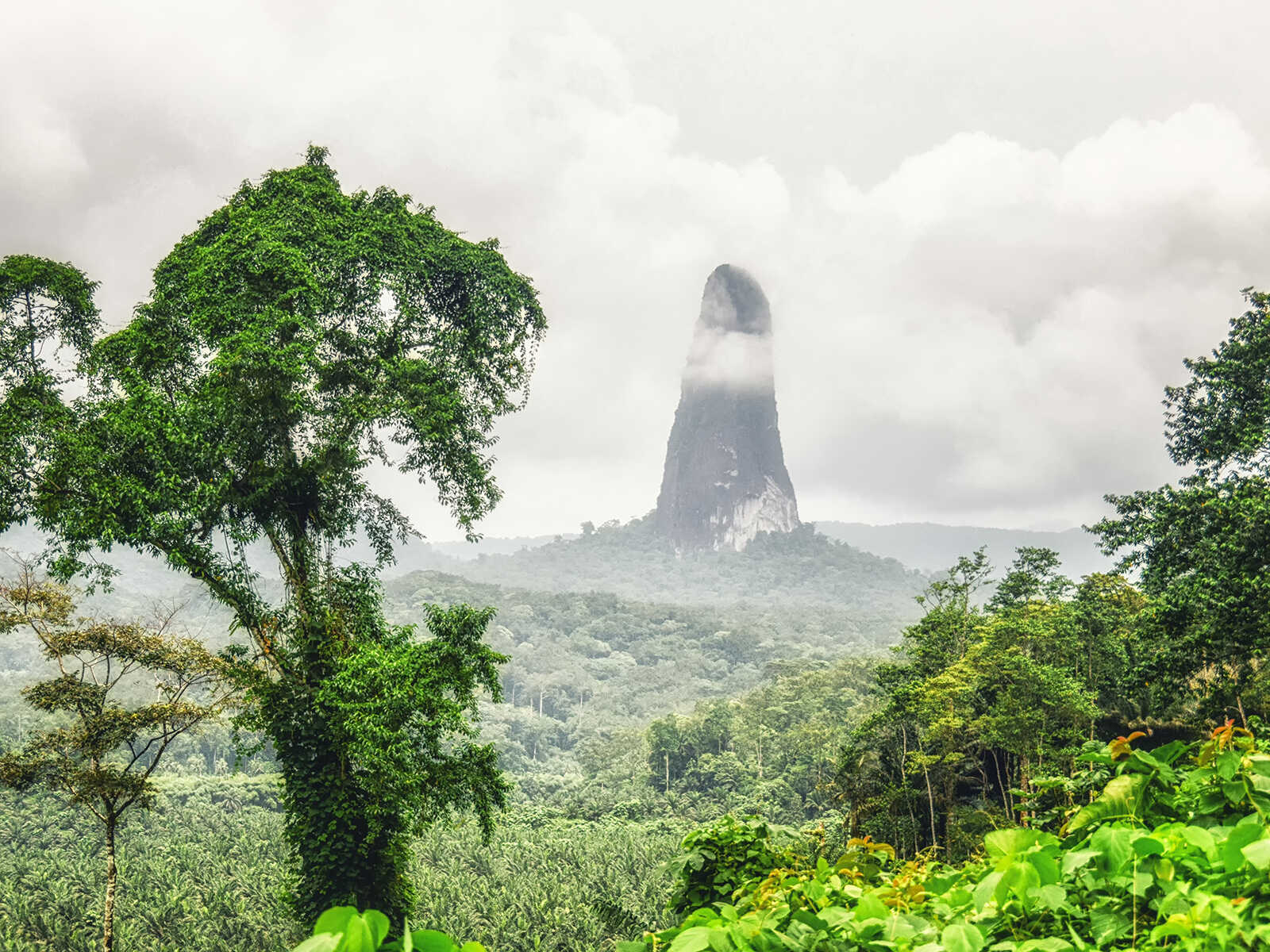
For the most insightful experience, consider hiring a knowledgeable local guide. They can provide historical context, cultural anecdotes, and navigate the sometimes challenging roads. While plantations are accessible year-round, the main cocoa harvest season typically runs from May to September. This is when you're most likely to see active harvesting and fermentation. Light, breathable clothing, comfortable walking shoes, and a hat are recommended. Don't forget insect repellent and sunscreen. Many plantations are accessible by 4x4 vehicles. Tours can often be arranged through hotels or local agencies in São Tomé city. Consider combining a plantation visit with other nearby attractions. For example, a trip to Roça Monte Café could be paired with a visit to Cão Grande Peak for stunning geological formations, or exploring the northern coastline near Lagoa Azul and Hellmouth can be part of a broader island tour. Purchase chocolate, coffee, or crafts directly from the plantations or local markets to support the communities and enjoy authentic products.
Conclusion
Exploring Sao Tome and Principe's cocoa and coffee plantations is an essential part of any visit to these West African jewels. It's a journey that connects you deeply with the islands' history, culture, and natural beauty. From the grandeur of colonial roças to the intimate experience of tasting freshly made chocolate, these plantations offer a truly enriching and unforgettable adventure, revealing the heart and soul of the "Chocolate Islands."