
Birdwatching in Sao Tome and Principe: An Endemic Species Paradise
Nestled in the Gulf of Guinea, the twin islands of Sao Tome and Principe offer an unparalleled birdwatching experience. This isolated archipelago is a biodiversity hotspot, home to an astonishing number of endemic bird species found nowhere else on Earth, making it a true paradise for nature enthusiasts and ornithologists alike.
Why Sao Tome and Principe is a Birder's Dream
Often dubbed the "African Galapagos," Sao Tome and Principe's volcanic origins and long isolation have fostered a unique evolutionary laboratory. The islands boast one of the highest densities of endemic birds per square kilometer globally, a testament to their rich, unspoiled ecosystems. From lush rainforests to pristine coastlines, every habitat offers a chance to encounter a truly unique avian resident.
The commitment to conservation is evident in the protected areas, most notably the Parque Natural Obô de São Tomé and the Parque Natural do Príncipe, which safeguard critical habitats for these rare and often elusive species. Exploring these natural havens with a local guide is not just an adventure but an immersive journey into a living natural history museum.
Spotlight on Endemic Species
Birdwatching in Sao Tome and Principe is a treasure hunt for the unique. Prepare to be amazed by species that have evolved in complete isolation, resulting in remarkable adaptations and striking appearances. Some of the most sought-after endemics include:
- São Tomé Fiscal (Lanius newtoni):One of the world's rarest birds, found only in the primary forest canopy of São Tomé. Its elusive nature makes a sighting a truly special event.
- Giant Sunbird (Nectarinia thomensis):A magnificent, large sunbird with iridescent plumage, often seen feeding on nectar in the higher altitude forests.
- Dwarf Ibis (Bostrychia bocagei):A critically endangered and highly secretive ibis, primarily inhabiting the dense lowland forests of São Tomé.
- São Tomé Thrush (Turdus olivaceogularis):A striking thrush with a distinctive call, often found foraging in the undergrowth.
- São Tomé Short-tail (Motacilla bocagii):A small, ground-dwelling bird known for its almost non-existent tail.
- Newton's Fiscal (Lanius newtoni):Another rare shrike, similar to the São Tomé Fiscal but with subtle differences.
- Principe Thrush (Turdus xanthorhynchus):Endemic to Príncipe, a smaller counterpart to its São Tomé cousin.
- Principe Speirops (Zosterops ficedulinus):A small, active white-eye species exclusive to Príncipe's forests.
Did you know?Sao Tome and Principe holds the record for the highest concentration of endemic bird species per square kilometer in the world, making it an unrivaled destination for truly unique bird encounters.
Top Birdwatching Locations on São Tomé Island
São Tomé, the larger of the two islands, offers diverse habitats ranging from dense primary rainforests to coastal mangroves and cultivated plantations. Each area presents opportunities to spot different species.
The Lush Interior and Mountainous Regions
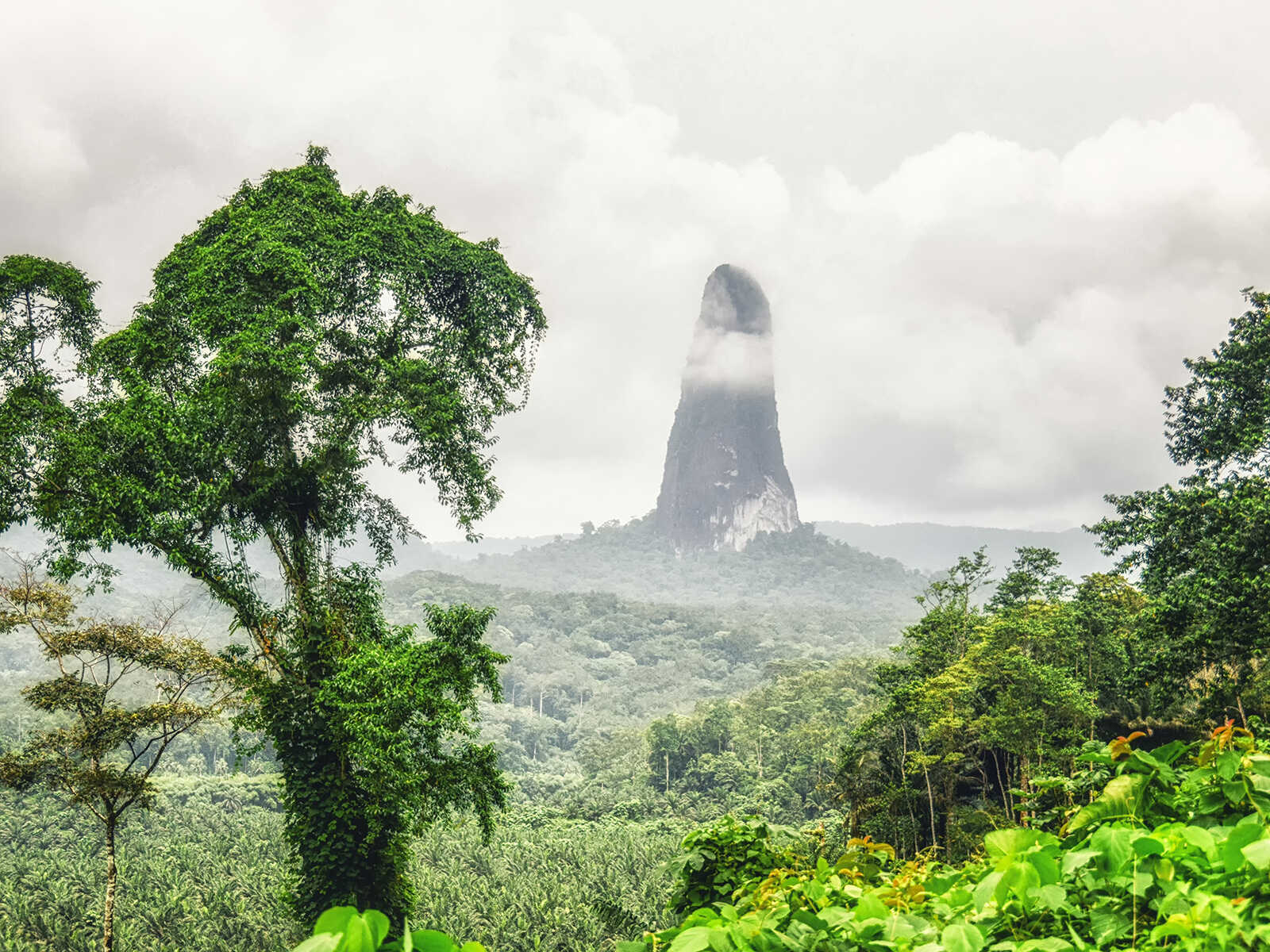
The heart of São Tomé's birdlife lies within its dense interior forests, particularly within the Parque Natural Obô de São Tomé. Trekking through trails in areas like Monte Café, Bombaim, or the higher altitudes towards Cão Grande Peak can yield sightings of the most elusive endemics, including the São Tomé Fiscal, Giant Sunbird, and Dwarf Ibis. These misty, ancient forests are where the magic truly happens, guided by the calls of unseen birds.
Coastal and Southern Habitats
The coastal regions offer a different array of species, including various seabirds and waders.Lagoa Azul in the north is known for its calm waters and surrounding mangroves, which attract specific coastal birds. Further south, areas around Porto Alegre and Praia Jale provide opportunities for spotting shorebirds and species adapted to more open, beachside environments. A boat trip from Porto Alegre to Rolas Island can also offer glimpses of pelagic species and coastal birds on the smaller islets.
Birdwatching on Príncipe Island
Principe, the smaller and even more pristine island, is a UNESCO Biosphere Reserve and offers a more intimate birding experience. Its relatively untouched forests are home to its own set of endemics, some of which are distinct from their São Tomé counterparts.
The entire island is essentially a natural park, with the Parque Natural do Príncipe protecting its vital ecosystems. Here, you can seek out the Principe Thrush, Principe Speirops, and other unique subspecies. The trails, though less developed than some on São Tomé, lead through breathtaking landscapes and offer incredible opportunities for close encounters with wildlife. Even coastal areas like Praia das Bananas, while famed for their beauty, are surrounded by rich forest habitats where birds thrive.
Planning Your Endemic Birding Adventure
Best Time to Visit
The dry season, fromJune to September, is generally considered the best time for birdwatching. Trails are more accessible, and weather conditions are typically more stable. However, the transitional months (May, October) and even parts of the wet season can also be productive, with birds often more active and vocal, though rain can make trekking challenging.
Getting Around and Local Expertise
Navigating the islands, especially the interior, requires a 4x4 vehicle and, critically, the services of a local bird guide. These guides possess invaluable knowledge of the terrain, bird calls, and specific locations where rare species are known to frequent. Their expertise significantly increases your chances of spotting elusive birds and ensures a safe, enriching experience.
Essential Tip:Pre-booking a reputable local bird guide is highly recommended. Not only do they enhance your chances of sightings, but they also contribute to local conservation efforts and sustainable tourism.
What to Bring
Pack light but strategically for your birdwatching expedition:
- Binoculars (8x42 or 10x42):Indispensable for close-up views.
- Field Guide:A comprehensive guide to the birds of West Africa or specifically Sao Tome and Principe (if available).
- Camera with Zoom Lens:To capture those memorable moments.
- Sturdy Waterproof Hiking Boots:Essential for muddy and uneven trails.
- Lightweight Rain Gear:Tropical showers can occur at any time.
- Insect Repellent:22Protection against mosquitoes and other insects.
- Sun Protection:Hat, sunglasses, and high-SPF sunscreen.
- Water Bottle:Stay hydrated, especially during treks.
- Small Backpack:For carrying essentials.
Responsible Birdwatching Practices
To ensure the preservation of these unique ecosystems and their inhabitants, practice responsible birdwatching:
- Maintain Distance:Observe birds from a respectful distance to avoid disturbing their natural behavior.
- Stay on Trails:Stick to designated paths to minimize habitat disturbance.
- No Luring:Avoid using playback devices to attract birds, as this can cause stress and disrupt breeding cycles.
- Pack It In, Pack It Out:Leave no trace of your visit.
- Support Local:Hire local guides and support eco-friendly accommodations to contribute directly to the local economy and conservation.
Conclusion
Sao Tome and Principe stands as a testament to nature's resilience and diversity. For the dedicated birder, it's more than just a destination; it's a pilgrimage to witness some of the planet's most unique avian wonders. With careful planning, local guidance, and a commitment to responsible tourism, your birdwatching adventure in this endemic species paradise will be an unforgettable journey into the heart of African biodiversity.