
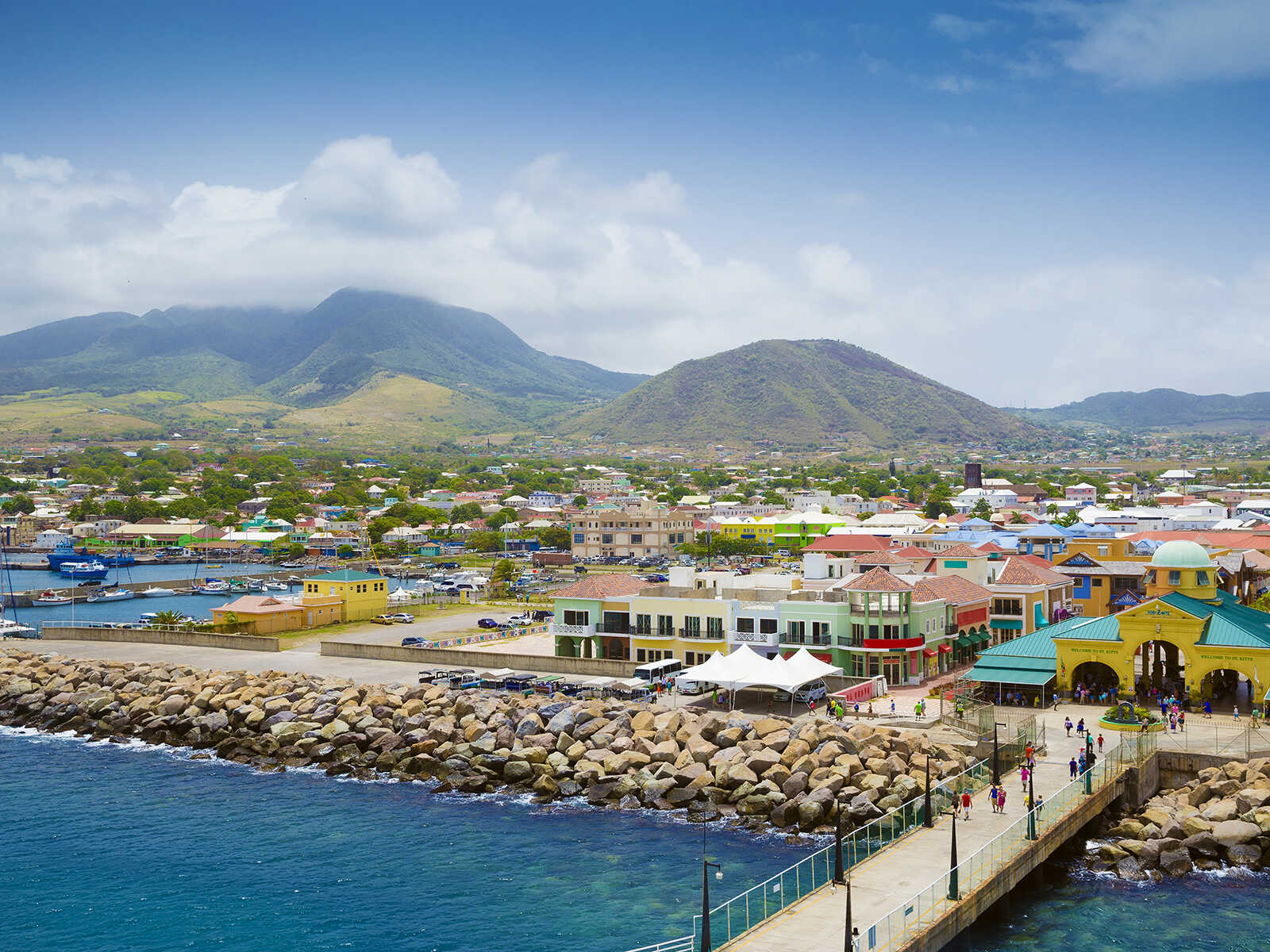
The Rich History of St Kitts and Nevis: From Carib to Independence
The twin-island federation of St Kitts and Nevis boasts a vibrant tapestry woven from centuries of diverse cultures, pivotal conflicts, and enduring resilience. From its earliest indigenous inhabitants to its hard-won independence, these islands offer a captivating journey through the annals of Caribbean history, inviting visitors to explore a past that shaped their unique identity.
Ancient Roots: The Indigenous Legacy
Long before European sails dotted the horizon, St Kitts and Nevis were home to various indigenous peoples. The earliest known inhabitants were the Ciboney, followed by the Arawak (Taino), who introduced agriculture and pottery. However, it was the Kalinago (often referred to as Caribs) who dominated the islands by the time Europeans arrived.
The Kalinago, a seafaring people, called St Kitts "Liamuiga," meaning "fertile land" or "land of the fertile earth," a name still echoed in the island's tallest peak,Mount Liamuiga. They lived in harmony with the rich volcanic soil and abundant marine life, fiercely protecting their territories. Evidence of their presence, such as petroglyphs and pottery shards, can still be found across the islands.
Did you know?The Kalinago people were renowned for their skilled canoe building, using large trees to craft vessels capable of long-distance voyages across the Caribbean Sea.
European Arrival and the Dawn of Colonization
In 1493, Christopher Columbus sighted and named St Kitts "Saint Christopher," though he never landed. Nevis, with its cloud-capped Nevis Peak, reminded him of snow, hence its name, derived from "Nuestra Señora de las Nieves" (Our Lady of the Snows).
The true turning point came in 1623 when Sir Thomas Warner established the first permanent English settlement on St Kitts, making it the "Mother Colony" of the British West Indies. Just a year later, the French, under Pierre Belain d'Esnambuc, also settled on the island. This shared colonization led to an unusual arrangement where the English and French divided St Kitts, tolerating each other while often engaging in skirmishes with the Kalinago, eventually leading to their displacement.
The Sugar Empire and its Human Cost
The introduction of sugar cane cultivation in the mid-17th century profoundly transformed the islands. Sugar quickly became the economic backbone, driving immense wealth for European planters but at a devastating human cost. Thousands of enslaved Africans were forcibly brought to St Kitts and Nevis to toil on vast sugar plantations. This era saw the construction of grand estate houses and sugar mills, many of which remain as poignant reminders of the past, like the grounds of Romney Manor, now home to a batik workshop.
The social structure became rigidly stratified, with a small European elite overseeing a large enslaved population. Despite the brutal conditions, enslaved people maintained aspects of their cultural heritage, contributing significantly to the islands' unique traditions, music, and cuisine.
A Fortress and Frequent Wars: The "Gibraltar of the West Indies"
St Kitts and Nevis's strategic location and lucrative sugar production made them highly coveted prizes in the incessant Anglo-French conflicts of the 17th and 18th centuries. The islands frequently changed hands, enduring numerous invasions and battles.
The pinnacle of this military history is undoubtedly Brimstone Hill Fortress, a UNESCO World Heritage Site. Often called the "Gibraltar of the West Indies," this formidable fortress was built by enslaved Africans and served as a crucial defensive outpost. Its massive walls and cannons stand as a testament to the era's fierce imperial rivalries and the incredible feat of engineering and labor required to construct it.
Emancipation and the Road to Self-Governance
The 19th century brought significant change with the abolition of the slave trade in 1807, followed by the complete emancipation of enslaved people in 1834. This period marked the beginning of a long and complex journey towards social and economic equity. Former enslaved individuals faced new challenges, including the "apprenticeship" system and the need to establish independent livelihoods, often against significant odds.
Throughout the early 20th century, a growing movement for workers' rights and political representation gained momentum. Leaders like Robert L. Bradshaw emerged, advocating for better living conditions and greater autonomy. St Kitts, Nevis, and Anguilla were united as a single British colony for much of this period, a union that eventually dissolved.
Towards Independence: A New Nation Emerges
The mid-20th century saw the islands participate in various attempts at regional integration, including the West Indies Federation (1958-1962). When the Federation dissolved, St Kitts, Nevis, and Anguilla became an Associated State of the United Kingdom in 1967, granting them full internal self-government.
However, the journey to full independence was not without its internal challenges, particularly regarding the relationship between St Kitts and Nevis. Despite these complexities, the federation of St Christopher and Nevis achieved full independence on 19 September 1983, becoming the smallest sovereign state in the Western Hemisphere. This momentous occasion marked the culmination of centuries of struggle, resilience, and the forging of a distinct national identity.
St Kitts and Nevis Today: A Legacy Preserved
Today, St Kitts and Nevis stands as a proud, independent nation that cherishes its rich and complex history. The past is not merely confined to textbooks; it lives in the architecture, the vibrant culture, the resilient spirit of its people, and the historical sites that dot the landscape. Visitors can explore the remnants of sugar plantations, walk the battlements of ancient fortresses, and experience a culture profoundly shaped by its diverse historical influences.
From the enduring legacy of the Kalinago to the struggles of colonization, the horrors of slavery, the triumphs of emancipation, and the ultimate achievement of independence, the history of St Kitts and Nevis is a powerful narrative of human experience, offering profound insights into the Caribbean's past and its promising future.