
St Kitts and Nevis Culture & Customs: A Traveler's Guide to Island Life
Stepping onto the shores of St. Kitts and Nevis means entering a world where vibrant history, natural beauty, and a warm, laid-back spirit intertwine. To truly appreciate these enchanting Caribbean islands, understanding their unique culture and customs is key. This guide offers insights to help you navigate island life with respect and confidence, ensuring a more enriching and memorable journey.
Embracing the Kittitian & Nevisian Spirit
The twin-island federation boasts a culture deeply rooted in its African and European heritage, blended with the relaxed rhythm of the Caribbean. Visitors are often struck by the genuine friendliness and sense of community that pervades daily life.
The Pace of Island Life: "Liming"
One of the first things you'll notice is the unhurried pace. Life here operates on "island time," which means things may move a bit slower than you're accustomed to. This isn't inefficiency, but rather a cultural embrace of the present moment. Locals often refer to "liming" – the art of relaxing, socializing, and simply enjoying life without a specific agenda. Embrace it!
Travel Tip:When making plans, especially involving local services, allow for flexibility. Patience is a virtue well-practiced on the islands and will enhance your experience.
Warmth and Hospitality
Kittitians and Nevisians are known for their warm, welcoming nature. A smile and a friendly greeting go a long way. Don't be surprised if locals engage you in conversation; it's a genuine expression of their hospitality. This openness is part of what makes interactions so rewarding.
Etiquette & Social Norms
Respectful interaction is paramount. Adhering to local customs will not only show your appreciation but also open doors to more authentic experiences.
Greetings & Politeness
Always greet people when entering a shop, restaurant, or starting a conversation. A simple "Good morning," "Good afternoon," or "Good evening" is customary and highly valued, even before asking a question or placing an order. Use "Sir" or "Ma'am" when addressing elders or those in positions of authority.
Dress Code
While beachwear is perfectly acceptable on the sand at Pinneys Beach or Frigate Bay, it's considered disrespectful to wear revealing clothing, swimwear, or go shirtless in towns, villages, or religious establishments. Opt for smart casual attire when visiting restaurants or historical sites like Romney Manor or Brimstone Hill. Light, breathable fabrics are ideal for the tropical climate.
Respect for Elders
Elders hold a respected position in society. Always offer them deference, whether it's giving up a seat or simply using polite forms of address. Public displays of affection are generally discreet.
Photography
Always ask permission before taking photos of individuals, especially children. Most people are happy to oblige, but it's a sign of respect to ask first.
Culinary Delights: A Taste of the Islands
Food is a cornerstone of Kittitian and Nevisian culture, reflecting its rich history and bounty from the land and sea. Eating local is an essential part of your cultural immersion.
Staple Foods
Expect fresh seafood, including snapper, mahi-mahi, and conch, often prepared grilled, fried, or stewed. Staples like rice and peas, provisions (yam, sweet potato, dasheen, green banana), and breadfruit are common accompaniments. Don't miss the national dish: stewed saltfish with dumplings, seasoned breadfruit, and plantain. Callaloo soup, made from local greens, is another popular and nutritious option.
Local Drinks
Hydrate with fresh coconut water, or try local juices like soursop, passion fruit, or mango. Sorrel, a festive drink made from hibiscus flowers, is especially popular around Christmas. Mauby, a bitter-sweet bark-based drink, is an acquired taste but a local favorite. And, of course, the islands produce excellent local rum, often enjoyed neat or in cocktails.
Dining Etiquette
Dining is generally a relaxed affair. Tips for good service are appreciated, usually around 10-15%. Meals are often communal events, reflecting the strong family and community ties.
Music, Dance & Festivities
The islands pulse with rhythmic energy, particularly during their vibrant festivals.
Calypso & Soca
Music is an integral part of life. Calypso and Soca are the dominant genres, especially during the festive season. You'll hear them everywhere, from beach bars to local gatherings. Steelpan music, with its distinct melodious sound, is also deeply cherished.
Festivals
The biggest celebration isSugar Mas(St. Kitts Carnival), a spectacular event from December to early January, featuring vibrant parades, costumed troupes, calypso competitions, and street parties. Nevis celebrates its own cultural festival,Culturama, typically held in late July/early August, showcasing Nevisian heritage through music, dance, drama, and traditional arts. These festivals are the heartbeats of the islands' cultural expression.
Historical & Cultural Landmarks
The history of St. Kitts and Nevis is etched into its landscapes and architecture, offering profound insights into the islands' development.
Explore the impressive Brimstone Hill Fortress National Park, a UNESCO World Heritage Site, which stands as a testament to colonial military architecture and the strategic importance of St. Kitts. Its robust walls tell tales of European rivalries and the labor of enslaved Africans. At Romney Manor, now home to Caribelle Batik, you can wander through the grounds of a former sugar plantation, witnessing the intricate process of batik art while reflecting on the island's agricultural past.
Language & Communication
English is the official language, making communication straightforward for most visitors. However, you'll also hear a local dialect or patois, a vibrant creole language with West African and European influences.
Understanding the Local Patois
While English is spoken, many locals converse in their distinctive patois, especially amongst themselves. It's not necessary for visitors to learn it, but understanding its presence enriches your experience. Don't hesitate to ask if you don't understand something; locals are usually happy to clarify.
Tips for Responsible Tourism
Being a respectful and responsible traveler ensures that your visit benefits the islands and their people.
Supporting Local Businesses
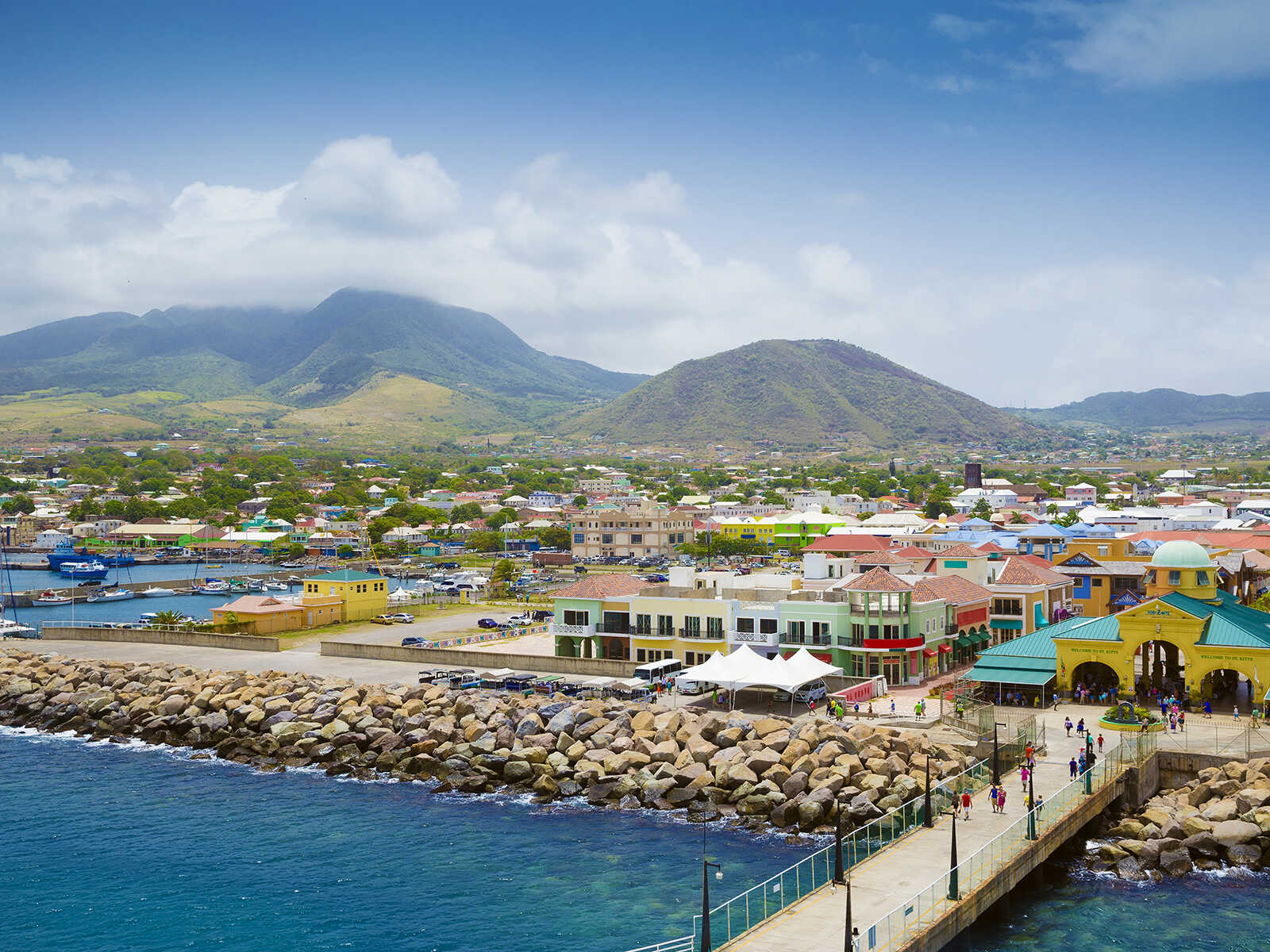
Choose local restaurants, shops, and tour operators whenever possible. This directly contributes to the local economy and provides a more authentic experience. Look for artisan crafts and locally made products as souvenirs, perhaps at the shops around Port Zante.
Environmental Awareness
The islands' natural beauty, from the lush slopes of Mount Liamuiga to the tranquil waters of South Friars Bay, is a precious resource. Always dispose of trash properly, avoid disturbing wildlife, and conserve water and energy. If hiking, stick to marked trails and avoid damaging vegetation.
Cultural Sensitivity
Be open to new experiences and customs. Engage with locals, learn a few phrases, and embrace the differences. A positive attitude and willingness to immerse yourself will be greatly appreciated.
Getting Around & Interactions
Navigating the islands offers its own cultural nuances.
Public Transport
Mini-buses are the primary form of public transport, particularly on St. Kitts. They are a great way to experience local life, often playing lively music. Fares are fixed, but always confirm your destination. On Nevis, taxis are more prevalent.
Taxis
Taxis are readily available at the airport, cruise port, and hotels. Always agree on the fare before starting your journey, as many taxis do not have meters. Drivers are often knowledgeable guides and happy to share insights about their home.
From the breathtaking views at Timothy Hill Overlook to the unique geological formations at Blackrocks, St. Kitts and Nevis offers a rich tapestry of experiences. By embracing the local culture and customs, you'll not only enjoy a smoother trip but also forge deeper connections with these beautiful islands and their warm-hearted people. Come with an open mind and a friendly spirit, and you're sure to leave with unforgettable memories of true island life.