
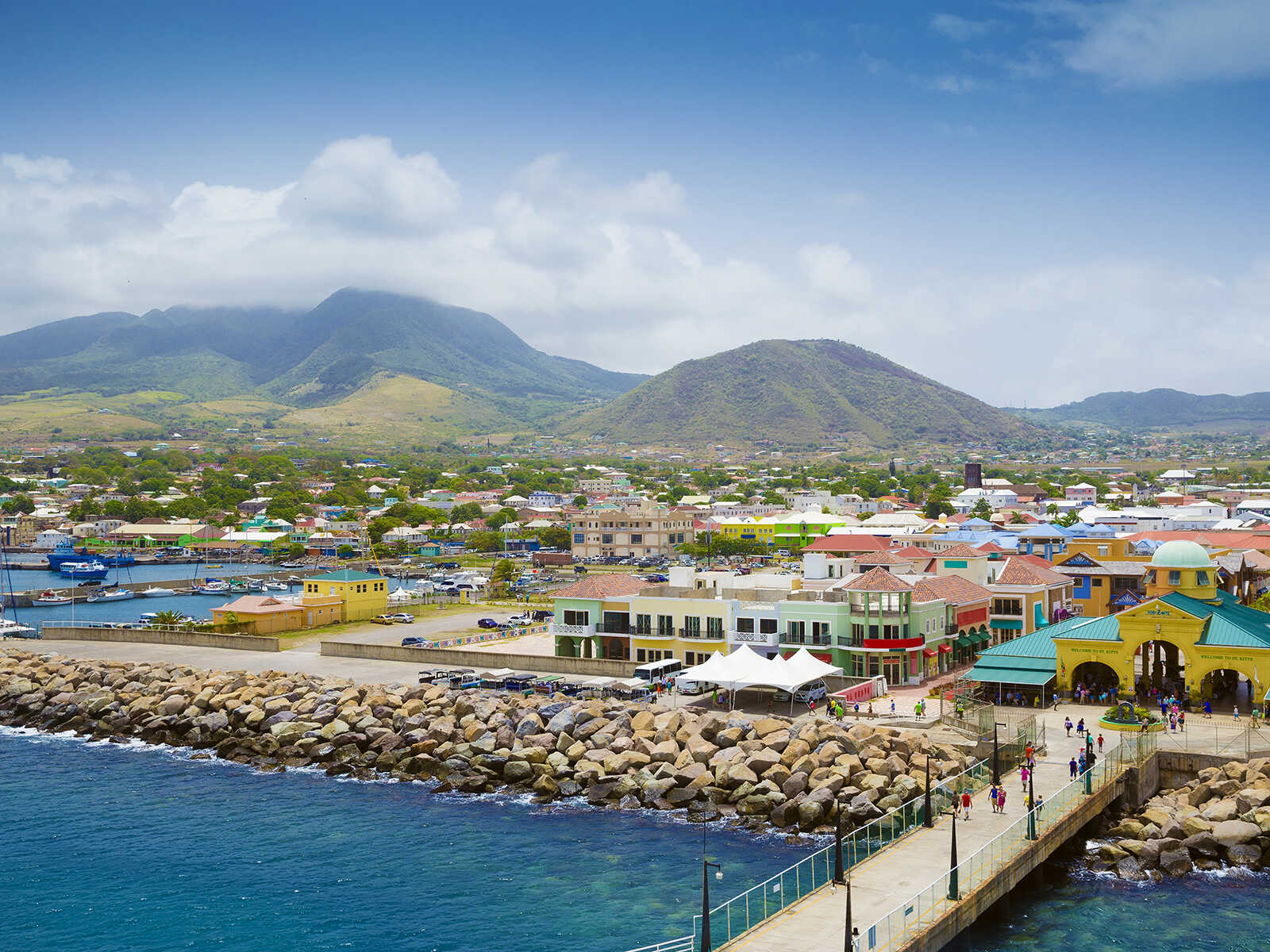
Hiking Mount Liamuiga: Conquer St Kitts' Volcano Peak
Standing proudly as the highest point on St. Kitts,Mount Liamuiga offers an exhilarating challenge and unparalleled rewards for intrepid hikers. This dormant stratovolcano, often shrouded in cloud, promises an unforgettable journey through diverse ecosystems to a breathtaking crater rim.
What is Mount Liamuiga?
Known affectionately as "Mount Misery" by locals, a testament to its challenging ascent rather than its actual disposition, Mount Liamuiga reaches an elevation of 3,792 feet (1,156 meters). It is the highest peak on Saint Kitts and Nevis, dominating the island's northern landscape. As a dormant volcano, its last major eruption occurred approximately 1,800 years ago, but minor activity persisted into more recent times. Today, the volcano is considered safe for hiking, offering a unique opportunity to explore its ancient caldera and lush slopes.
Fun Fact:The name "Liamuiga" is the Kalinago (Carib) name for Saint Kitts, meaning "fertile land," a nod to the rich volcanic soil that nourishes the island's vibrant flora.
Preparing for Your Ascent
Conquering Mount Liamuiga requires preparation. While not a technical climb, it is physically demanding, involving steep inclines, muddy trails, and scrambling over roots and rocks.
Physical Fitness
Hikers should possess a good level of fitness, including strong knees and ankles. Regular cardiovascular exercise and strength training in the weeks leading up to your hike will significantly enhance your experience. The round trip typically takes 4-6 hours, depending on pace and whether you descend into the crater.
Essential Gear
Packing smart is crucial for a comfortable and safe hike:
- Footwear:Sturdy, waterproof hiking boots with good ankle support and grip are non-negotiable. The trails can be extremely muddy and slippery.
- Clothing:Lightweight, quick-drying layers are best. Long pants and sleeves can protect against scratches, insects, and sun. A light rain jacket is advisable, as weather can change rapidly.
- Water:Bring at least 2-3 liters of water per person. Dehydration is a real risk in the humid tropical environment.
- Snacks:Energy bars, fruit, or trail mix will help maintain your energy levels.
- Sun Protection:Sunscreen, a hat, and sunglasses are important, especially on exposed sections.
- Insect Repellent:The rainforest is home to various insects.
- Small Backpack:To carry your essentials.
- First-Aid Kit:For minor cuts, blisters, or scrapes.
- Camera:For capturing the incredible views!
When to Hike
The dry season (December to May) generally offers the most favorable conditions, with less mud and clearer skies. However, expect some rainfall at higher elevations year-round. Starting early in the morning (around 7-8 AM) is recommended to avoid the midday heat and allow ample time to complete the hike before dusk.
Choosing Your Route and Guide
While there are several less-traveled paths, the standard route is the most popular and well-maintained.
The Standard Trail
The main trail begins near the village of St. Paul's, winding through agricultural land before ascending into the dense rainforest. This well-trodden path is marked, but can be obscured by vegetation and rain. The ascent is steady, leading you through various ecological zones.
The Crater Descent (Optional & Advanced)
For the truly adventurous, it's possible to descend into the volcano's crater, which holds a small, often emerald-green lake. This descent is significantly more challenging, involving steep, slippery sections and ropes. It adds approximately 1.5-2 hours to the overall hike and shouldonlybe attempted with an experienced guide, especially during or after rainfall when conditions are treacherous.
Why a Guide is Recommended (or Essential)
While some experienced hikers attempt the trail independently, hiring a local guide is highly recommended, and for the crater descent, it's virtually essential. Guides offer:
- Safety:They know the trail conditions, potential hazards, and how to navigate through dense foliage, especially if the path is muddy or overgrown.
- Navigation:Trails can be confusing, especially if you're not familiar with the terrain.
- Local Knowledge:Guides can point out unique flora and fauna, share insights into the island's history, and explain the volcanic geology, enriching your experience immensely.
- Support:They can assist with tricky sections and provide encouragement.
The Journey to the Summit: What to Expect
The hike to Mount Liamuiga is a dynamic experience, transitioning through several distinct ecological zones.
The Rainforest Ascent
The initial phase of the hike plunges you into a vibrant, humid tropical rainforest. Here, towering trees form a dense canopy, filtering the sunlight into dappled patterns on the forest floor. You'll hear the calls of exotic birds and the rustling of leaves as you navigate a path often slick with mud and crisscrossed by roots. This section is steep but offers glimpses of the island's incredible biodiversity. While not directly on the trail, the lush environment is reminiscent of the botanical beauty found at places like Romney Manor.
The Cloud Forest
As you gain elevation, the rainforest gradually transitions into a cooler, often misty cloud forest. The trees become gnarled and moss-laden, draped with epiphytes like bromeliads and orchids. The air becomes noticeably cooler, and visibility can vary dramatically. This ethereal environment feels ancient and untouched, adding a mystical element to your climb.
The Final Scramble
The last stretch to the crater rim is the most challenging. The well-defined path gives way to a steep, rocky scramble, often aided by exposed tree roots and fixed ropes. This section requires upper body strength and careful foot placement. It's an invigorating climb, culminating in the dramatic reveal of the crater.
The Summit Views
Upon reaching the rim, you'll be rewarded with breathtaking panoramic vistas. On a clear day, the views stretch across the entire island of St. Kitts, encompassing the turquoise Caribbean Sea and the darker Atlantic Ocean. You can gaze down into the verdant crater, often with its small, reflective lake. In the distance, the sister island of Nevis, with its own impressive Nevis Peak, rises majestically from the sea. Further out, other neighboring islands may be visible, offering a truly expansive perspective of the Leeward Islands. The Timothy Hill Overlook offers a fantastic view of the two bodies of water converging, but the Liamuiga summit provides an entirely different, higher vantage point.
Descending Mount Liamuiga
The descent, while physically less strenuous in terms of climbing, can be taxing on the knees and ankles. The muddy, slippery conditions that made the ascent challenging can be even more so on the way down. Take your time, use trekking poles if you have them, and maintain careful footing to prevent slips and falls. The journey down typically takes less time than the ascent but requires equal concentration.
Safety First: Important Considerations
- Weather:Tropical weather can change rapidly. Be prepared for rain even if the day starts sunny.
- Stay on the Trail:Veering off the marked path can lead to becoming lost or encountering dangerous terrain.
- Inform Someone:Let your accommodation or a trusted contact know your hiking plans and estimated return time.
- Leave No Trace:Pack out everything you pack in. Respect the natural environment by not disturbing flora or fauna.
- Hydration:Continue to drink water even on the descent.
Beyond the Summit: Other St. Kitts Adventures
After conquering Mount Liamuiga, St. Kitts offers a wealth of other experiences to explore. Delve into history at the impressive Brimstone Hill Fortress National Park, a UNESCO World Heritage Site. Relax on the golden sands of Frigate Bay or the calmer waters of South Friars Bay. Explore the unique volcanic rock formations at Blackrocks, or simply enjoy the vibrant atmosphere and duty-free shopping at Port Zante in Basseterre.
Conclusion
Hiking Mount Liamuiga is more than just a walk; it's an adventure that immerses you in the heart of St. Kitts' natural beauty. From the steamy rainforests to the misty cloud forest and the dramatic crater rim, every step offers a new perspective. The challenge is real, but the sense of accomplishment and the unparalleled views from the summit make it an utterly rewarding experience, a true highlight of any visit to this enchanting Caribbean island.