
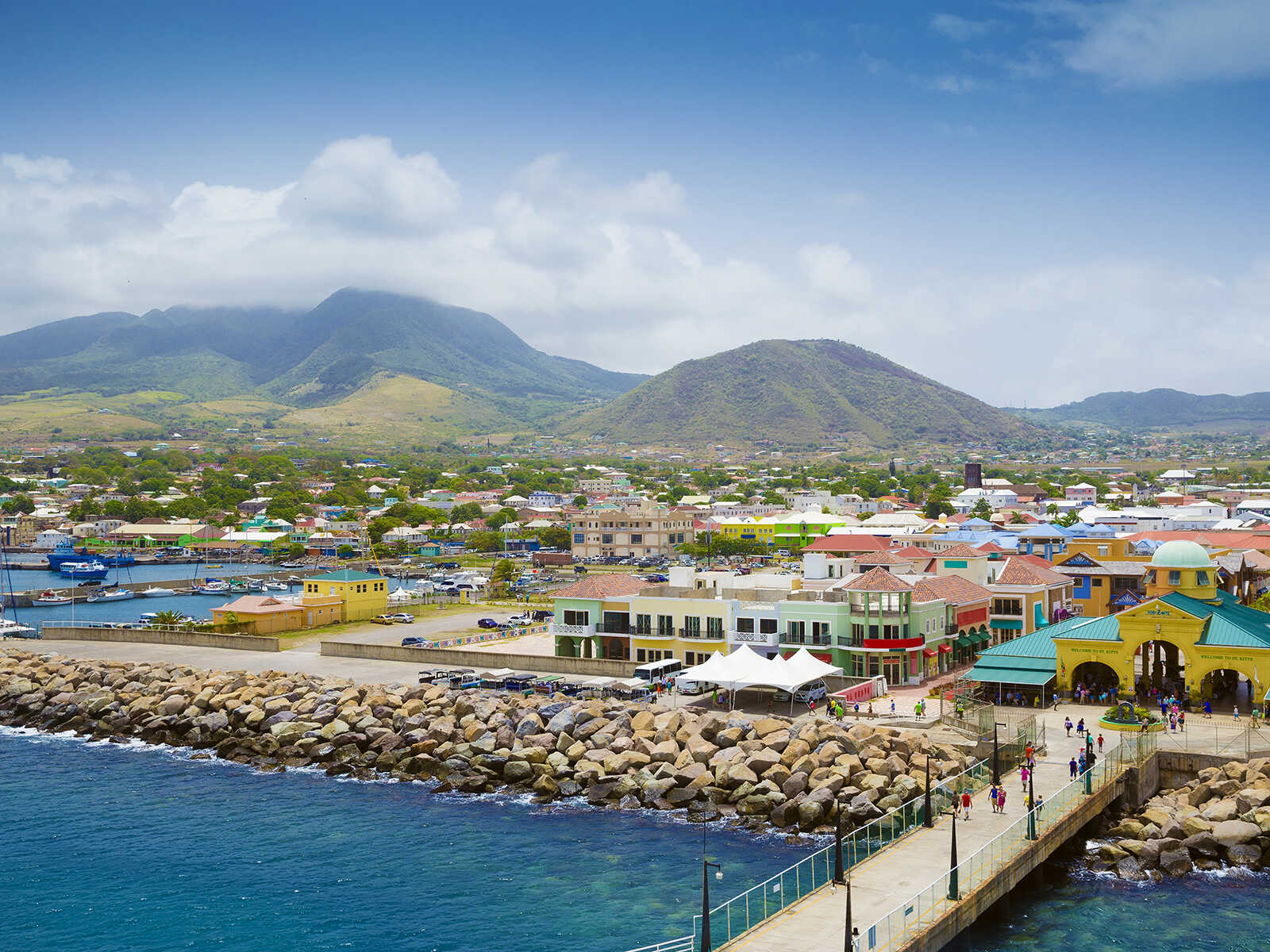
Essential Kriol Phrases for Your St Kitts and Nevis Trip: Speak Like a Local
Embarking on a journey to the enchanting islands of St Kitts and Nevis promises breathtaking scenery, vibrant culture, and unforgettable experiences. While English is the official language, learning a few essential Kriol phrases will not only enrich your trip but also open doors to more authentic interactions with the warm and welcoming locals.
Understanding Kittitian and Nevisian Kriol
Kittitian and Nevisian Kriol (often simply referred to as Patois or Dialect by locals) is a vibrant creole language with a predominantly English lexicon, heavily influenced by West African languages, particularly those brought by enslaved people during colonial times. It's a testament to the islands' rich history and cultural melting pot, evolving over centuries to become a distinct and integral part of the local identity.
While standard English is used in formal settings, schools, and government, Kriol is the everyday language of the people. It's spoken in homes, at markets, during festivals, and among friends. Understanding and attempting to speak even a few phrases demonstrates respect for the local culture and can significantly enhance your travel experience, making you feel less like a tourist and more like an embraced guest.
Why Learn a Few Kriol Phrases?
- Cultural Immersion:Connect on a deeper level with the local community.
- Enhanced Interactions:Locals appreciate the effort and are often more open and friendly.
- Unique Experiences:Gain insights into daily life and humor that you might otherwise miss.
- Navigation & Shopping:While English works, Kriol can sometimes smooth interactions in less tourist-centric areas.
A Quick Guide to Kriol Pronunciation
Kriol pronunciation can vary slightly from standard English, but generally, it's quite phonetic. Here are a few general tips:
- 'Th' Sound:Often replaced with 'd' or 't'. For example, "the" might sound like "de."
- 'R' Sound:Often dropped at the end of words or before consonants, similar to some British English accents (e.g., "sister" might be "sista").
- Vowel Sounds:Can be more open and direct than in standard English.
- Emphasis:Stress is often placed on the first syllable of words.
Don't worry too much about perfect pronunciation; the effort itself is what counts!
Essential Kriol Phrases for Your Trip
Greetings & Basic Courtesy
Starting with a friendly greeting is the best way to open any interaction.
- Good morning:Mornin'
- Good afternoon:Evenin'(used from midday onwards)
- Good night:Night
- How are you? / What's up?:Wah gwaan?(Literally "What's going on?")
- I'm good/fine:Ah good. / Ah fine.
- Please:Please(pronounced similarly to English, but with a softer 's')
- Thank you:Tank you. / Tanks.
- Excuse me / Sorry:Excuse me. / Sorry.(Pronunciation is very close to English)
- Yes:Yes. / Yes sah.(Often with a nod)
- No:No. / Eh-eh.(The latter is a more emphatic or casual no)
Local Tip:When greeting someone, especially an elder, a simple "Mornin'" or "Evenin'" accompanied by a nod or a handshake is a sign of respect, even if you don't know them.
Getting Around & Asking for Directions
Navigating the islands becomes a little more adventurous and personable with these phrases.
- Where is...?Whey de...?orWhey...?
- I want to go to...:Me wan' go...(e.g.,Me wan' go Pinneys Beach.)
- Go straight:Walk straight.
- Turn left:Tun left.
- Turn right:Tun right.
- Stop here:Stop hey.(Useful for shared taxis/buses)
- Is it far?:Dat far?
Imagine asking for directions to the historic Brimstone Hill Fortress or the volcanic Mount Liamuiga using these phrases; it's sure to bring a smile to a local's face.
Dining & Shopping
From the bustling markets of Port Zante to a roadside food stall near Frigate Bay, these phrases will help you enjoy the local flavors.
- I would like...:Me would like...(e.g.,Me would like some fish.)
- This is delicious!:Dis sweet!(Literally "This is sweet," but commonly used for anything tasty)
- Thank you for the meal:Tank you fuh de food.
- How much?:How much?(Often understood, but sometimes pronounced asHow much it cost?)
Socializing & Making Friends
Kittitians and Nevisians are known for their friendliness. These phrases will help you connect.
- What is your name?:Wha' yuh name?
- My name is...:Me name is...
- Nice to meet you:Nice to meet yuh.
- See you later / Until next time:Lickle more.(A very common and friendly farewell)
- Make space / Move over:Small up yuhself.(Often heard on crowded buses, usually said with a smile)
- Cheers!:Cheers!(Often used when toasting drinks, especially at places like South Friars Bay)
- Blessings:Blessings.(A common, respectful farewell or greeting, often interchangeable with "Lickle more.")
Helpful General Phrases
- Come here:Come hey.
- Go away:Go way.
- Hurry up!:Move up! / Hurry up!
- Look!:Look!
- I don't understand:Me doh understand.
- Can you help me?:Yuh could help me?
Cultural Nuances and Tips for Using Kriol
Beyond the words themselves, understanding the context and local customs will greatly enhance your interactions.
- Be Respectful:Always use polite forms, especially with elders. A simple "Mornin', sah/ma'am" goes a long way.
- Listen Carefully:Kriol can be spoken quite quickly. Don't be afraid to ask for repetition, "Yuh could repeat dat?"
- Smile and Be Patient:Your effort will be appreciated, even if your Kriol isn't perfect. Laughter is often a sign of delight, not mockery.
- English is Still Spoken:Remember that English is the official language, so you won't be stranded if Kriol proves too challenging. However, attempting Kriol shows genuine interest.
- Observe and Learn:Pay attention to how locals interact. The rhythm, tone, and body language are all part of the communication. Whether you're hiking Nevis Peak or exploring Romney Manor, opportunities to hear Kriol are everywhere.
Fun Fact:The distinctive speech patterns and proverbs in Kriol are often rich with imagery and wisdom passed down through generations, reflecting the resilience and creativity of the Kittitian and Nevisian people.
Embrace the Local Flavor
Learning a few Kriol phrases is more than just memorizing words; it's about embracing the heart and soul of St Kitts and Nevis. It’s about connecting with the vibrant spirit of the islands, from the unique geological formations at Blackrocks to the panoramic views from Timothy Hill Overlook. Your willingness to engage in the local dialect will not only make your interactions more meaningful but will also leave you with deeper, more authentic memories of your tropical escape.
So, go ahead, try out a "Wah gwaan?" or a "Lickle more!" You'll find that speaking like a local is one of the most rewarding souvenirs you can take home from your St Kitts and Nevis adventure.