
Wildlife of Rwanda: What Animals to See in National Parks
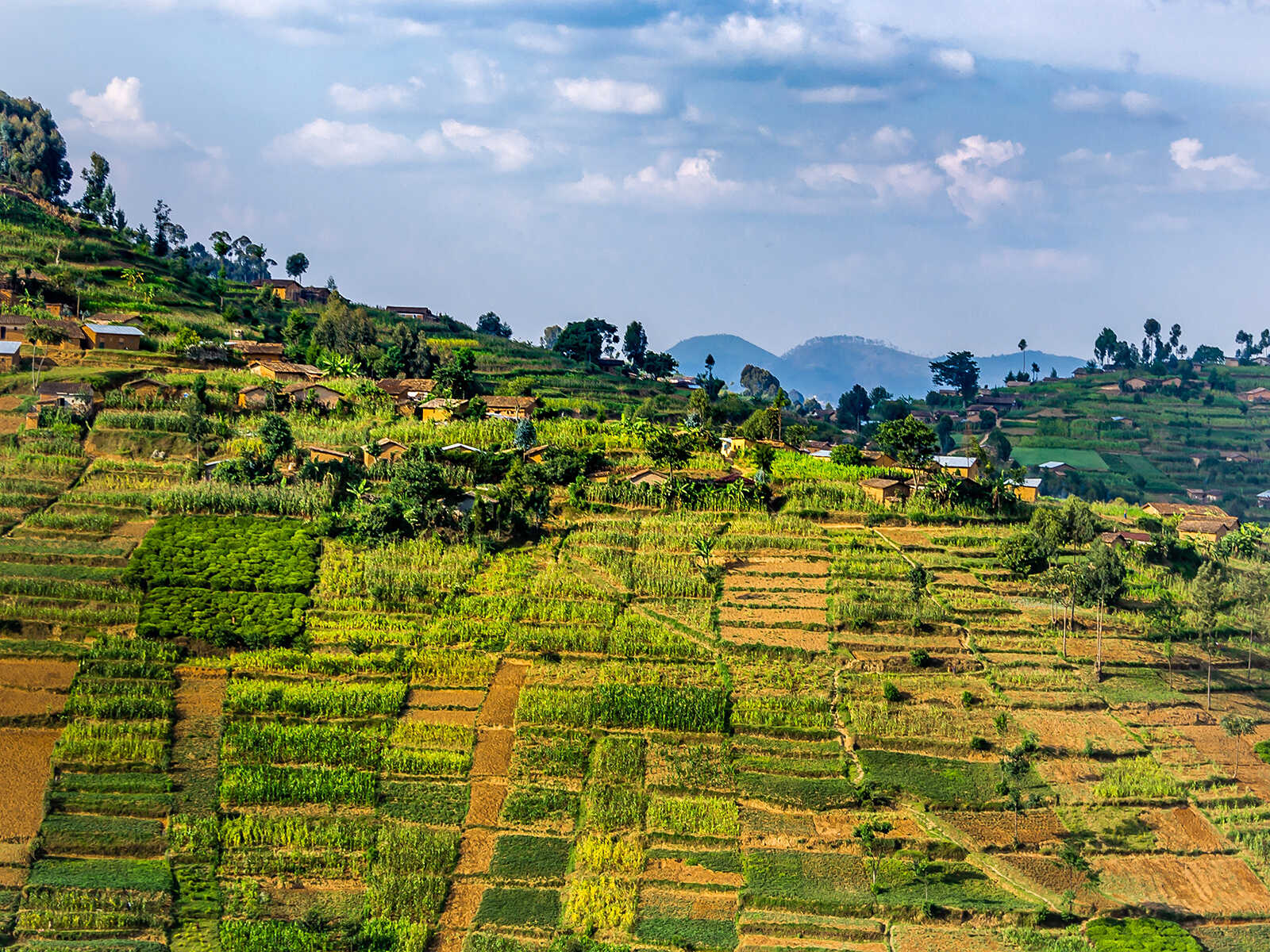
Rwanda, often dubbed the "Land of a Thousand Hills," is a country of breathtaking natural beauty and incredible biodiversity. Far beyond its stunning landscapes, Rwanda offers some of Africa's most unique and rewarding wildlife encounters, primarily within its well-managed national parks. Prepare to discover a world where endangered species thrive and pristine ecosystems invite unforgettable adventures.
An Overview of Rwanda's Diverse Wildlife
Despite its relatively small size, Rwanda boasts an astonishing array of wildlife, from the iconic mountain gorillas to a vibrant tapestry of birds and primates. The country's varied habitats, ranging from montane rainforests to savannahs and wetlands, support a rich biodiversity that continues to surprise and captivate visitors. Conservation efforts are paramount here, ensuring these precious species are protected for future generations.
Key National Parks and Their Animal Inhabitants
Volcanoes National Park: Home of the Mountain Gorillas
The crown jewel of Rwanda's wildlife tourism is undoubtedly Volcanoes National Park. Located in the northwest of the country, this misty, emerald realm is part of the larger Virunga Massif and is famously home to the critically endangered mountain gorillas. Trekking through dense bamboo forests to spend an hour observing these magnificent creatures in their natural habitat is a profound and life-changing experience.
While gorillas are the main draw, the park also harbors other fascinating wildlife. Keep an eye out for the playful golden monkeys, an endemic species to the Virunga Mountains, often found foraging in bamboo groves. Though elusive, forest elephants and buffalo also roam the park, and various antelope species can be spotted. Birdlife is abundant, with several Albertine Rift endemics.
Interesting Fact:Mountain gorillas share over 98% of their DNA with humans, making encounters with them incredibly poignant and relatable.
Trekking permits for both gorillas and golden monkeys should be secured well in advance due to limited availability.
Nyungwe Forest National Park: A Primate Paradise
In the southwest of Rwanda lies Nyungwe Forest National Park, one of Africa's oldest and largest montane rainforests. This ancient forest is a biodiversity hotspot, particularly renowned for its exceptional primate diversity. It's home to 13 different primate species, making it a prime destination for chimpanzee trekking.
Chimpanzee trekking here offers an exhilarating experience as you follow their calls through the dense forest. Beyond chimps, you can encounter large troops of Ruwenzori colobus monkeys, L'Hoest's monkeys, grey-cheeked mangabeys, and olive baboons. The park's canopy walkway provides a unique aerial perspective of the forest, often revealing monkeys moving through the treetops and offering spectacular views.
Nyungwe is also a birder's paradise, boasting over 300 bird species, including numerous Albertine Rift endemics. Other inhabitants include various antelopes, civets, and mongooses, though these are more challenging to spot in the dense undergrowth.
Akagera National Park: Rwanda's Big Five Safari Destination
For a classic African safari experience, head east to Akagera National Park. This stunning park, characterized by its savannah plains, rolling hills, vast papyrus swamps, and a network of lakes including Lake Ihema, has undergone a remarkable transformation thanks to successful conservation efforts. Akagera is now home to the "Big Five" – lions, leopards, elephants, rhinos, and buffalo.
Game drives in Akagera offer excellent opportunities to spot a wide variety of wildlife. You can see herds of zebras, giraffes, impalas, topis, and elands grazing the plains. The park's wetlands are teeming with hippos and crocodiles, easily observed during a boat safari on Lake Ihema. Birdlife is phenomenal, with over 500 species, including the elusive shoebill stork.
The successful reintroduction of lions in 2015 and black rhinos in 2017 has solidified Akagera's status as a premier safari destination, offering a comprehensive wildlife experience distinct from the primate-focused parks.
Other Notable Wildlife Encounters
Beyond the major parks, Rwanda's general biodiversity is impressive. The country is a haven for birdwatchers, with over 700 recorded species. Many of these are found within the national parks, but various smaller forest patches and wetlands also offer rewarding birding opportunities. Keep an eye out for colourful sunbirds, turacos, and a host of raptors.
While large predators like leopards are present in most forested areas, they are incredibly shy and rarely seen. Smaller mammals like bushbucks, duikers, and various mongoose species are more commonly encountered. Rwanda's numerous lakes, like Lake Kivu, are home to diverse fish species and support a range of aquatic birds.
Planning Your Wildlife Safari in Rwanda
Best Time to Visit
The dry seasons (June to September and December to February) are generally considered the best times for wildlife viewing in Rwanda. During these periods, vegetation is less dense, and animals congregate around water sources, making them easier to spot. However, the wet seasons (March to May and October to November) offer lush, green landscapes, fewer tourists, and excellent birding opportunities, though trekking can be more challenging.
Permits and Bookings
For gorilla and chimpanzee trekking, permits are essential and must be booked several months in advance, especially during peak season, due to strict daily limits. It's advisable to arrange your safari through a reputable tour operator who can assist with permits, accommodation, and transport.
What to Pack
For gorilla and chimpanzee trekking, sturdy hiking boots, long trousers, long-sleeved shirts, rain gear, gloves, and insect repellent are crucial. For Akagera, light safari clothing in neutral colours, a wide-brimmed hat, sunglasses, and sunscreen are recommended. Always bring a good camera with extra batteries and binoculars for enhanced viewing.
Responsible Tourism
Rwanda is committed to sustainable and responsible tourism. Visitors are encouraged to follow park rules, maintain a respectful distance from wildlife, and support local communities. Your visit directly contributes to the conservation efforts that protect these incredible animals and their habitats.
Conclusion
Rwanda offers an unparalleled wildlife experience, from the intimate encounters with mountain gorillas and chimpanzees in its lush rainforests to classic Big Five safaris across its savannahs. Each national park provides a distinct and unforgettable adventure, showcasing the country's incredible commitment to conservation and its rich natural heritage. A journey to Rwanda is more than just a trip; it's an immersion into a vibrant world teeming with life, promising memories that will last a lifetime.