
Rwandan Culture and Etiquette: Essential Tips for Visitors
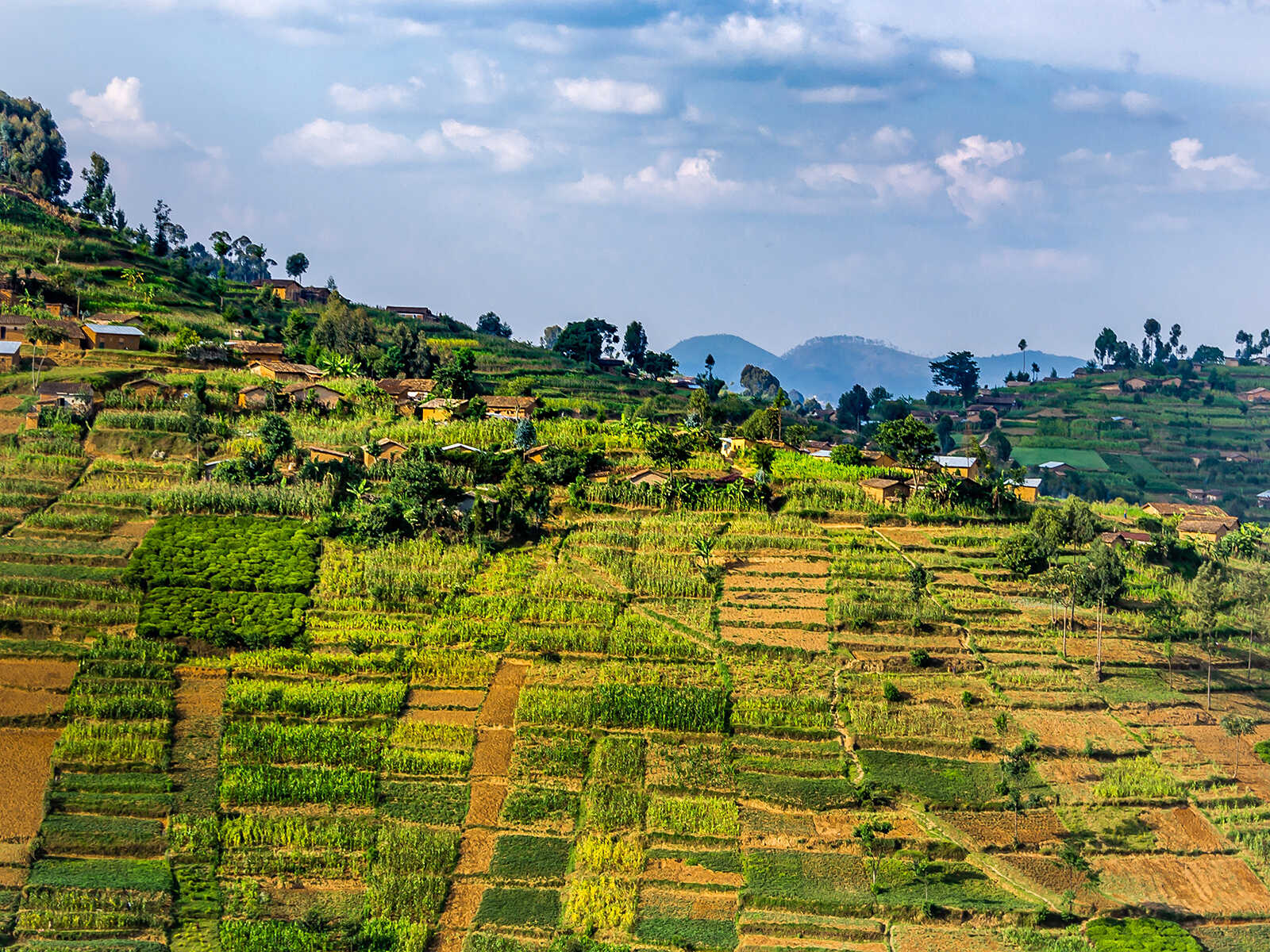
Rwanda, the "Land of a Thousand Hills," offers breathtaking landscapes, incredible wildlife, and a vibrant, resilient culture. To truly appreciate this remarkable nation and connect respectfully with its people, understanding local customs and etiquette is paramount for any visitor. This guide provides essential tips to ensure a meaningful and harmonious journey.
The Heart of Rwanda: Understanding Core Values
Rwandan society is deeply rooted in strong community values, respect, and a commitment to progress. After a challenging past, the nation has embraced unity and reconciliation, which are palpable in daily interactions. Visitors will find Rwandans to be warm, dignified, and incredibly welcoming, often going out of their way to assist.
Key values to be aware of include:Ubupfura(integrity/politeness),Umuganda(community work – more on this later), and a profound respect for elders and authority. Cleanliness is also highly valued, evident in the pristine streets of Kigali and other towns.
Greetings and Social Interactions
Greetings are an important part of Rwandan culture and should not be rushed. Taking the time to greet someone properly shows respect.
The Art of the Rwandan Greeting
- "Muraho"(Moo-rah-ho) is the common greeting, meaning "hello." For a single person, it's "Uraho."
- Always offer a handshake, especially to men. Women may prefer a slight nod or a lighter handshake. Use your right hand.
- When greeting someone older or in a position of authority, it's common to offer both hands or a slight bow as a sign of respect.
- Enquire about their well-being, family, and work. A quick "Amakuru?" (How are you?) is always appreciated.
"In Rwanda, a proper greeting isn't just an exchange of words; it's an acknowledgment of shared humanity and mutual respect, setting a positive tone for any interaction."
Dress Code and Modesty
Rwandans generally dress conservatively, and visitors are encouraged to do the same, particularly outside of hotels and resorts. Modest attire shows respect for local customs.
- For women, this means covering shoulders and knees. Skirts, dresses, or trousers that reach below the knee are appropriate.
- For men, trousers and collared shirts are generally suitable. Shorts are acceptable in tourist areas or while on safari in places like Akagera National Park, but long trousers are preferred in towns and villages.
- When visiting religious sites or attending formal gatherings, more conservative dress is expected.
Dining Etiquette: Sharing and Respect
Sharing a meal is a significant social occasion in Rwanda. While many restaurants cater to international norms, understanding basic home dining etiquette can enhance your experience.
- Always wash your hands before and after eating. Often, a basin of water and soap will be provided.
- Wait to be seated or invited to eat. Elders or hosts typically serve themselves first.
- Eat with your right hand if no utensils are provided. It's considered impolite to use your left hand for eating or passing food.
- It's customary to accept food when offered, even if you only take a small portion. Finishing your plate is generally seen as a sign of appreciation, but don't overfill it initially.
- Don't start eating until the host or elder begins.
Photography Guidelines
Rwanda offers incredibly photogenic landscapes and vibrant street scenes. However, always be mindful and respectful when taking photos.
- Always ask permission before photographing people, especially children.A simple "Nshobora gufata ifoto?" (May I take a photo?) followed by "Murakoze" (Thank you) goes a long way.
- Respect their decision if someone declines.
- Avoid taking photos of government buildings, military installations, or border crossings, as this is often prohibited.
- When visiting sensitive sites like the Kigali Genocide Memorial, photography might be restricted or require special permission.
Language and Communication
While Kinyarwanda is the national language, English and French are widely spoken, especially in urban areas and tourist destinations. Learning a few basic Kinyarwanda phrases will significantly enhance your interactions.
Essential Kinyarwanda Phrases
- Muraho:Hello
- Murakoze:Thank you
- Ndaho:I'm fine (response to Amakuru?)
- Mwaramutse:Good morning
- Mwiriwe:Good evening
- Yego:Yes
- Oya:No
- Mwami:Sir / Mr.
- Mwadame:Madam / Mrs.
- Ndashaka...:I want...
- Musahe:Please
Tipping Etiquette
Tipping is not traditionally part of Rwandan culture but is becoming more common in tourist-oriented services. It's always appreciated for good service, especially where wages might be low.
- For guides (e.g., during Volcanoes National Park gorilla treks or Nyungwe Forest National Park chimpanzee treks) and drivers, a tip is highly recommended. The amount can vary based on the duration and quality of service.
- In restaurants, a small tip (around 5-10%) for excellent service is appropriate, especially in higher-end establishments.
- For hotel staff, a small amount for porters or housekeepers is appreciated.
Embracing Umuganda: Community Service
Umuganda is a unique and inspiring Rwandan tradition, a mandatory community work day held on the last Saturday morning of every month. All able-bodied citizens (from 18 to 65) participate in projects like road cleaning, tree planting, or building homes for the vulnerable.
"Umuganda embodies the spirit of collective responsibility and unity, a powerful testament to Rwanda's commitment to self-reliance and community development."
While visitors are not expected to participate, you might experience a slowdown in services or transport on Umuganda mornings. If you happen to be in a community during this time, observing or even respectfully participating (if invited and appropriate) can be a profound cultural experience.
Respect at Memorial Sites
Rwanda's history includes the devastating 1994 genocide against the Tutsi. Numerous memorial sites across the country, such as the Kigali Genocide Memorial, stand as solemn reminders and places of remembrance. Visiting these sites is a deeply moving experience.
- Approach these sites with utmost respect, solemnity, and quiet contemplation.
- Dress modestly and avoid loud conversations or disrespectful behavior.
- Photography may be restricted or prohibited in certain areas. Always follow guidelines.
- Reflect on the history and the resilience of the Rwandan people.
Environmental Consciousness: Leading by Example
Rwanda is renowned for its commitment to environmental conservation. It was one of the first countries to ban plastic bags nationwide in 2008, and cleanliness is a point of national pride.
- Support these efforts by avoiding single-use plastics and carrying reusable bags.
- Do not litter. Dispose of waste properly.
- Respect national park rules when visiting places like Akagera National Park,Volcanoes National Park, or when exploring the serene shores of Lake Kivu. This includes staying on designated paths and not disturbing wildlife.
Navigating Public Transport and Markets
Public transport, especially moto-taxis (motorcycle taxis), is common. Always agree on a fare before starting your journey. In markets, bargaining is expected and part of the experience, but do so with a friendly demeanor.
When exploring local markets or visiting areas around Lake Ihema or the base of Mount Karisimbi, you'll find vibrant interactions. Politeness and patience go a long way.
The Rwandan Spirit of "Ubuntu"
The concept of "Ubuntu" – "I am because we are" – deeply resonates in Rwandan society. It signifies interconnectedness, humanity, and compassion. By engaging respectfully with local customs, you contribute positively to this spirit.
Your visit to Rwanda is not just a trip; it's an opportunity to immerse yourself in a culture that values dignity, community, and forward-thinking. By observing these essential tips, you'll not only have a more enriching experience but also show genuine appreciation for the beautiful people and country of Rwanda.