
Responsible Tourism in Rwanda: Ethical Travel Tips
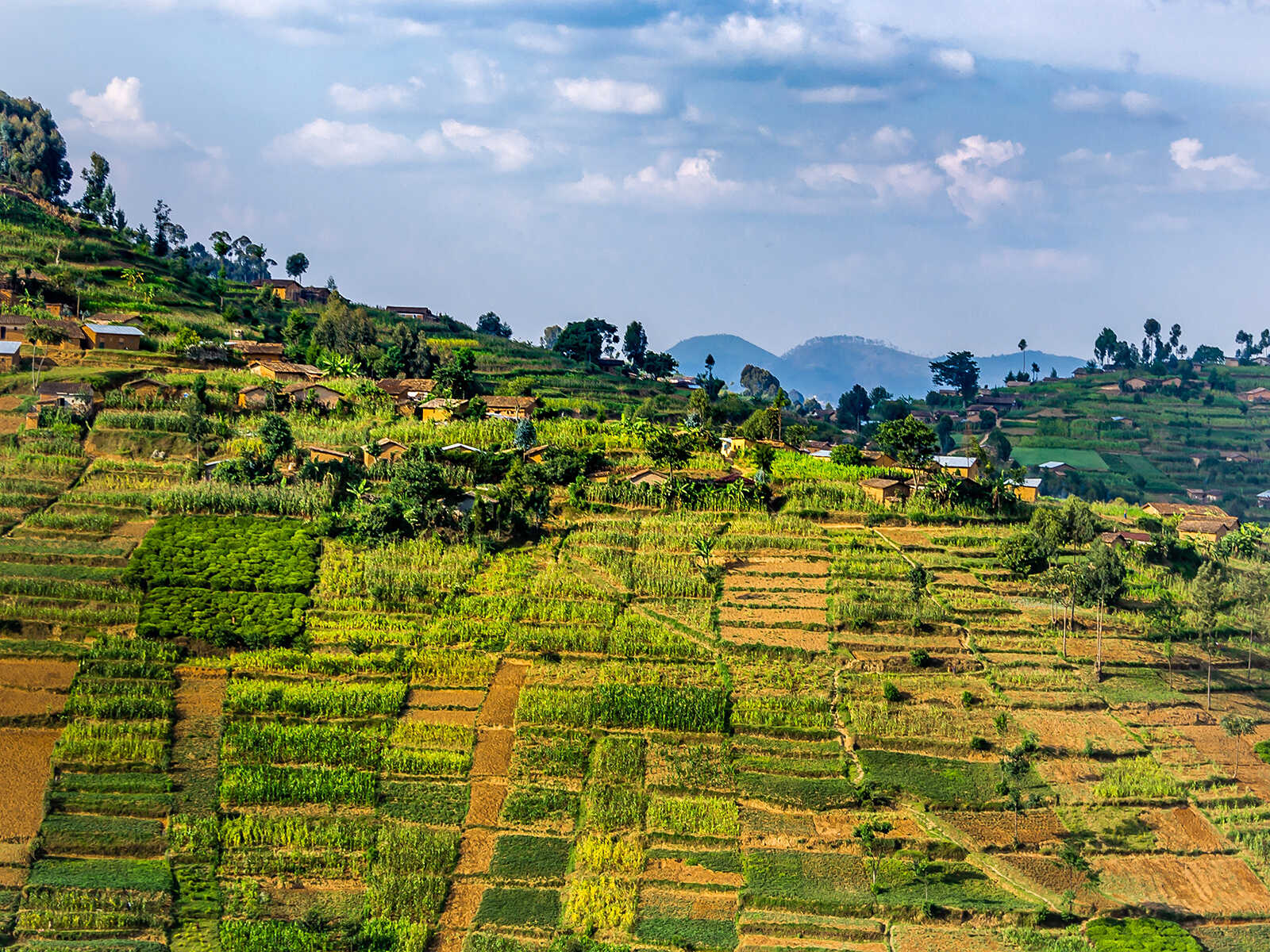
Rwanda, often called the "Land of a Thousand Hills," has emerged as a global leader in conservation and sustainable tourism. As visitors flock to witness its breathtaking landscapes and iconic wildlife, understanding how to travel responsibly is paramount. Embracing ethical travel practices ensures your journey contributes positively to Rwanda's environment, economy, and vibrant communities.
Why Responsible Tourism Matters in Rwanda
Rwanda's remarkable journey of recovery and its unwavering commitment to conservation make responsible tourism not just a choice, but a necessity. The country has proactively implemented policies, such as its nationwide plastic bag ban, to protect its pristine environment. Tourism, particularly around iconic experiences like gorilla trekking, provides vital funding for conservation efforts and supports the livelihoods of countless Rwandans. By traveling ethically, you become an active participant in preserving this incredible nation for future generations.
Key Pillars of Responsible Tourism in Rwanda
Support Conservation Efforts
Rwanda's rich biodiversity is a national treasure, and your visit can directly contribute to its preservation. When planning your trip, choose tour operators and accommodations that demonstrate a genuine commitment to environmental protection and community development. Look for certifications or clear statements about their sustainability practices.
The fees you pay to visit national parks are crucial for conservation. For instance, permits for gorilla trekking in Volcanoes National Park directly fund anti-poaching initiatives, habitat protection, and community projects. Similarly, exploring the chimpanzees of Nyungwe Forest National Park or embarking on a safari in Akagera National Park supports the vital work of park rangers and conservation scientists.
Adhere strictly to park rules and guidelines, especially when encountering wildlife. Maintain a respectful distance, avoid making loud noises, and never leave any litter behind. Rwanda has a strict policy against single-use plastic bags, so ensure you pack reusable alternatives.
Respect Local Culture and Communities
Engaging with Rwandan culture is one of the most enriching aspects of any visit. Show your respect by being mindful of local customs and traditions.
- Dress Modestly:While there isn't a strict dress code for tourists, dressing modestly, especially in rural areas or when visiting religious sites, is appreciated.
- Ask Permission Before Photographing:Always ask for permission before taking photos of people, particularly children. A simple "Mwaramutse" (Good morning) or "Muraho" (Hello) can go a long way.
- Learn Basic Kinyarwanda Phrases:Even a few words of Kinyarwanda, Rwanda's official language, can enhance your interactions and show respect.
- Engage Thoughtfully:Visit cultural villages or community projects with an open mind. These experiences offer valuable insights into Rwandan life and provide direct support to local initiatives.
Travel Tip:Learning a few basic phrases like"Murakoze"(Thank you),"Ndaho"(Hello), and"Yego"(Yes) can significantly enhance your interactions with locals and demonstrate your respect for Rwandan culture.
Economic Empowerment and Fair Trade
Your spending choices have a significant impact on the local economy. Prioritize supporting Rwandan businesses and individuals whenever possible:
- Buy Local:Purchase souvenirs and crafts directly from local artisans, cooperatives, or fair-trade shops. This ensures that the money goes directly to the creators and benefits their communities.
- Stay in Locally Owned Accommodations:Opt for guesthouses, lodges, and hotels that are locally owned and managed. This keeps revenue within Rwanda and often employs local staff.
- Eat Local:Explore local markets and restaurants that serve traditional Rwandan cuisine. Not only is it a delicious experience, but it also supports local farmers and food businesses.
- Hire Local Guides and Porters:When embarking on treks, such as climbing Mount Karisimbi or gorilla trekking in Volcanoes National Park, hiring local guides and porters is crucial. It provides vital income and ensures local expertise enhances your experience.
- Avoid Orphanage Tourism:Responsible tourism advocates strongly against volunteering or visiting orphanages, as this practice can inadvertently perpetuate child separation and harm children. Instead, support community-based initiatives that focus on family reintegration.
Environmental Stewardship
Rwanda's natural beauty is a delicate ecosystem that requires careful protection. As a visitor, you have a role to play in minimizing your environmental footprint:
- Conserve Resources:Be mindful of your water and electricity consumption in your accommodation. Turn off lights and air conditioning when not in use, and take shorter showers.
- Minimize Waste:Avoid single-use plastics wherever possible. Carry a reusable water bottle and refill it. Dispose of any waste properly and recycle when facilities are available. Remember Rwanda's pioneering plastic bag ban!
- Choose Eco-Friendly Transport:Consider walking or cycling for short distances. When traveling on Lake Kivu or Lake Ihema, opt for boat operators that prioritize environmental safety.
- Stay on Designated Trails:When hiking or exploring national parks, stick to marked paths to prevent damage to fragile ecosystems.
Health and Safety Considerations
While not strictly "ethical" in the same way as cultural respect or economic empowerment, being informed about health and safety contributes to a responsible travel mindset. Follow all advice from park rangers, especially concerning wildlife encounters. Ensure you have appropriate travel insurance and are up-to-date on vaccinations. Supporting the local economy indirectly benefits public services, including healthcare infrastructure.
Practical Tips for Your Trip
Before You Go
- Research:Choose tour operators and accommodations known for their ethical practices and community engagement.
- Pack Smart:Bring a reusable water bottle, cloth bags, and durable gear to minimize waste. Leave single-use plastics at home.
- Learn:Familiarize yourself with basic Kinyarwanda phrases and Rwandan customs.
During Your Stay
- Be Mindful:Conserve resources, dispose of waste properly, and respect wildlife and natural habitats.
- Engage Respectfully:Interact with locals courteously, ask permission for photos, and be open to learning about their culture.
- Support Local:Buy local goods, eat at local restaurants, and hire local guides to ensure your money benefits the community directly.
A Journey with Impact
Traveling responsibly in Rwanda is an enriching experience that goes beyond sightseeing. It's about making conscious choices that leave a positive footprint, contributing to conservation, and empowering local communities. By embracing these ethical travel tips, you ensure your journey to the Land of a Thousand Hills is not only unforgettable for you but also beneficial for the people and nature of Rwanda. Be an agent of positive change and let your travel be a force for good.