
Must-Try Rwandan Food: A Culinary Guide for Travelers
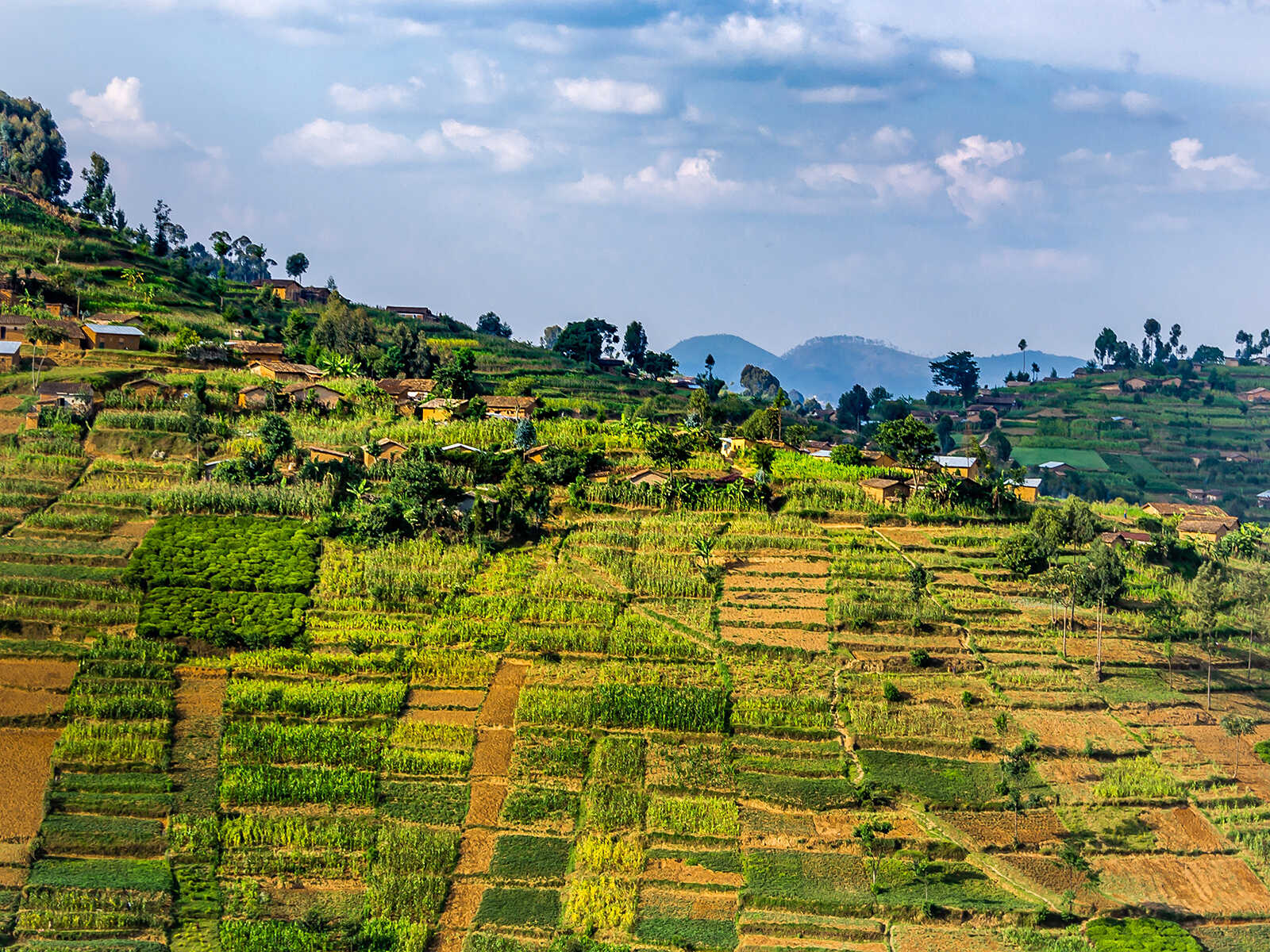
Rwanda, the Land of a Thousand Hills, offers an unforgettable journey not just through its stunning landscapes and rich history, but also through its vibrant culinary scene. Rwandan food is a delightful reflection of its agricultural bounty, characterized by fresh, locally sourced ingredients and comforting, wholesome flavors. Prepare to embark on a delicious adventure that will tantalize your taste buds and deepen your appreciation for this remarkable East African nation.
The Heart of Rwandan Cuisine: Staples and Flavors
Rwandan cuisine is built upon a foundation of fresh, seasonal produce, with an emphasis on plant-based staples. The fertile volcanic soils yield an abundance of crops, making fresh ingredients the cornerstone of almost every meal. Expect to find dishes rich in root vegetables like sweet potatoes and cassava, alongside plantains, beans, rice, and maize. Meats, particularly goat, beef, and chicken, are also popular, often grilled or stewed to perfection.
Ubiquitous Starches: Imyumbati, Ibirayi, Ubugari
Starches form the backbone of Rwandan meals, providing sustained energy.Imyumbati(cassava) is a versatile root, often boiled or fried.Ibirayi(sweet potatoes) are another common sight, served boiled, roasted, or as chips. Perhaps the most iconic starch isUbugari, a thick porridge made from cassava, maize, or sorghum flour. It's typically eaten with stews and sauces, using your hand to scoop up portions and dip them.
The Power of Pulses: Ibishyimbo (Beans)
Beans, orIbishyimbo, are not just a side dish; they are a staple and a significant source of protein in the Rwandan diet. They are prepared in numerous ways – stewed in rich sauces, mixed with other vegetables, or served simply boiled. You'll find them at almost every meal, offering a hearty and nutritious component.
Iconic Rwandan Dishes You Must Try
To truly experience Rwanda's culinary identity, make sure to seek out these quintessential dishes during your travels.
Isombe: The National Dish
Often considered Rwanda's national dish,Isombeis a flavorful and comforting stew made from pounded cassava leaves. These greens are simmered for hours with ingredients like palm oil, groundnuts (peanuts), and sometimes dried fish or meat, resulting in a rich, earthy, and highly nutritious dish. It's a must-try for any visitor.
Brochettes: Skewered Delights
A favorite across Rwanda,Brochettesare succulent skewers of grilled meat or fish. Goat meat brochettes are particularly popular, known for their tender texture and smoky flavor. You'll also find beef, chicken, and even fish brochettes, often served with a side of roasted plantains (igitoke) or crispy potato chips. They are a perfect snack or a light meal, especially when enjoyed with a cold drink.
Akatogo: The Stew of Plenty
Akatogorefers to a hearty, mixed stew that typically combines plantains (green bananas), beans, and often a variety of other vegetables like carrots and potatoes, sometimes with a touch of meat or fish. It’s a complete meal in itself, offering a burst of different textures and flavors, all simmered in a savory broth.
Tilapia and Other Freshwater Fish
Given Rwanda's beautiful lakes, fresh fish is a culinary highlight.Tilapiais particularly popular, often caught from Lake Kivu or Lake Ihema. You'll find it served whole, either fried until crispy or grilled, often accompanied by a simple salad and fries or plantains. The freshness of the lake fish is unparalleled.
Traveler Tip:Don't be shy about trying food from local eateries, often called "restaurants populaires." These establishments offer authentic, freshly prepared Rwandan dishes at very reasonable prices and provide a true taste of local life.
Rwandan Snacks and Street Food
Beyond full meals, Rwanda offers a range of delicious snacks perfect for fueling your explorations.
Mandazi and Sambusa
For a quick bite, look forMandazi, a slightly sweet, triangular-shaped fried bread, similar to a doughnut but less sweet. They are perfect with a cup of tea.Sambusas(samosas) are savory triangular pastries filled with spiced minced meat or vegetables, offering a satisfying crunch and burst of flavor.
Roasted Maize and Fresh Fruits
Street vendors often sell freshly roasted maize on the cob, a simple yet satisfying snack. Rwanda's tropical climate also ensures an abundance of incredibly sweet and juicy fresh fruits, including mangoes, pineapples, passion fruit, and bananas, which are readily available and make for a healthy treat.
Refreshing Drinks and Beverages
Quench your thirst with a taste of Rwanda's unique traditional and modern beverages.
Ikivuguto (Fermented Milk)
Ikivugutois a traditional Rwandan drink made from fermented milk, similar to yogurt but thinner. It's a staple in many households, known for its tangy flavor and probiotic benefits. It can be surprisingly refreshing, especially on a warm day.
Urwagwa (Banana Beer)
For those seeking a traditional alcoholic experience,Urwagwa, or banana beer, is a must-try. Made from fermented bananas, it has a distinct sweet and tangy flavor. It's often consumed communally from a large pot using straws, particularly during social gatherings and celebrations.
Rwandan Coffee and Tea
Rwanda is renowned globally for its high-quality Arabica coffee and robust tea. Coffee from regions near Nyungwe Forest National Park, for instance, is highly sought after by connoisseurs. Enjoy a freshly brewed cup of Rwandan coffee or tea, and consider visiting a coffee or tea plantation for a fascinating tour and tasting experience. These beverages are not just drinks; they are an integral part of Rwandan agriculture and heritage.
Dining Etiquette and Tips for Travelers
Embracing the local dining culture will enrich your Rwandan adventure.
Where to Eat
You’ll find a range of dining options, from upscale restaurants in Kigali to humble roadside eateries. Don't hesitate to try the local "restaurants populaires" for authentic and affordable meals. Hotel restaurants also offer a good standard, often featuring both Rwandan and international dishes.
Dietary Considerations
Vegetarians will find plenty of options, as many Rwandan dishes are plant-based or can be easily adapted. Beans, rice, plantains, sweet potatoes, and various greens are always available. If you have specific dietary needs or allergies, it's always best to communicate them clearly, though English proficiency varies.
Embracing the Experience
Rwandans are generally welcoming and hospitable. Meals are often a communal affair, symbolizing togetherness. Don't be afraid to try new things and engage with local vendors or restaurant staff. It's part of the cultural immersion.
A Taste of Rwanda Beyond the Plate
Rwandan food is more than just sustenance; it's an expression of culture, community, and the country's fertile land. Exploring the local markets, where vibrant produce is piled high, offers a sensory feast and a glimpse into daily life. From the comforting warmth of Isombe to the refreshing tang of Ikivuguto, every bite and sip tells a story of Rwanda's rich heritage and warm hospitality. So, as you plan your journey through this beautiful country, make sure to leave ample room in your itinerary—and your stomach—for a truly authentic Rwandan culinary experience.