
Is Rwanda Safe for Tourists? Traveler Safety Guide
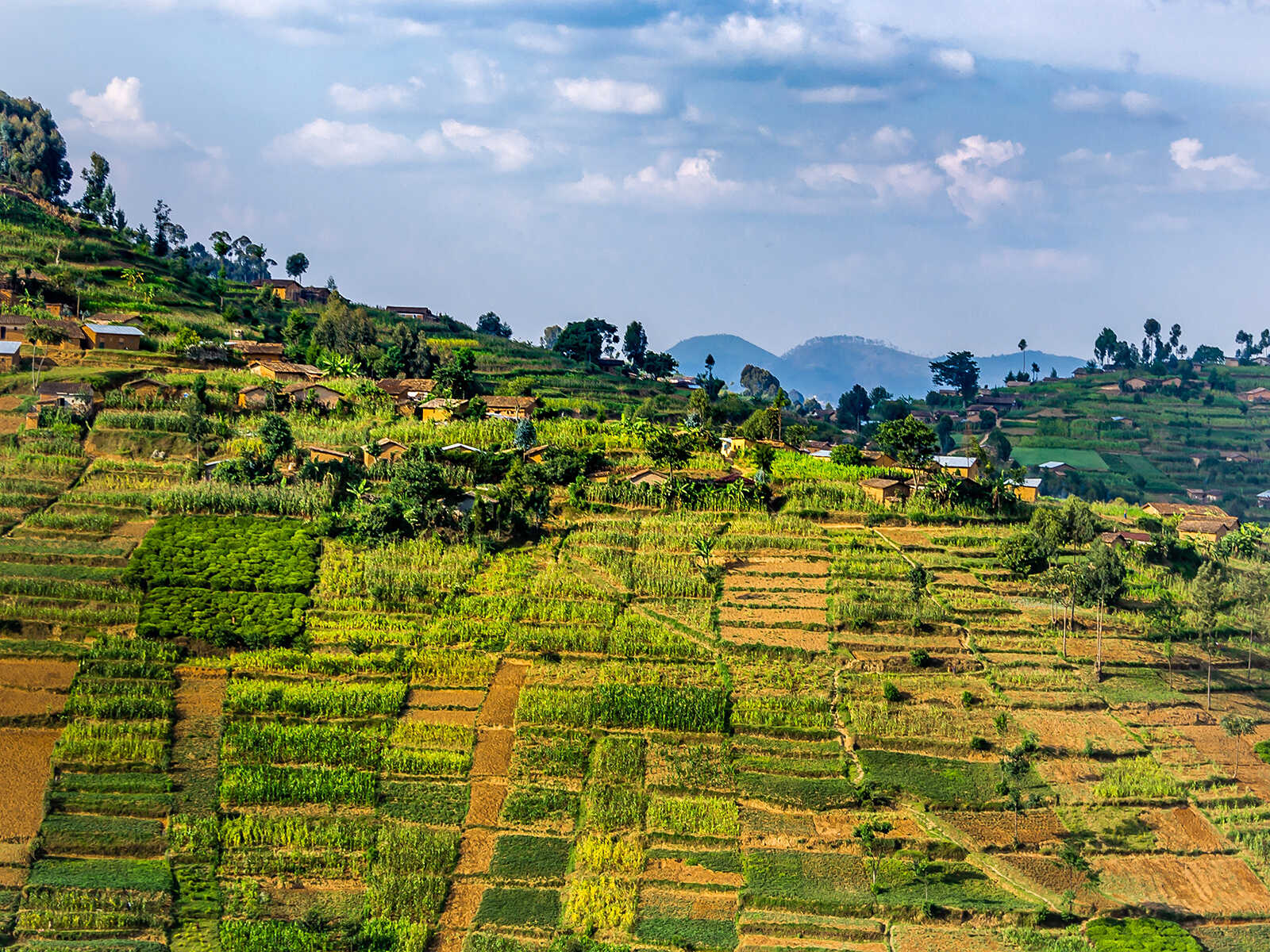
Rwanda, often referred to as the "Land of a Thousand Hills," has cultivated a reputation as one of Africa's safest and most welcoming tourist destinations. With a steadfast commitment to peace, security, and sustainable tourism, travelers can explore its stunning landscapes and unique wildlife with confidence.
Rwanda's Commitment to Safety and Stability
Rwanda has made remarkable strides in development and reconciliation, prioritizing the safety and well-being of its citizens and visitors alike. The government's strong emphasis on law and order, coupled with active community engagement, has fostered a secure environment throughout the country. This dedication is evident in its low crime rates and the general sense of peace experienced by those who travel here.
Low Crime Rates and Public Order
Compared to many other tourist destinations globally, Rwanda consistently ranks high in terms of safety. Petty crime, such as pickpocketing, can occur in crowded areas like markets or bus stations, but it is relatively infrequent. Violent crime against tourists is exceedingly rare. The presence of law enforcement is visible and reassuring, and local communities are actively involved in maintaining public order, contributing to a calm and respectful atmosphere.
Key Safety Considerations for Travelers
Health and Wellness
- Vaccinations:Consult your doctor well in advance of your trip regarding recommended vaccinations, including yellow fever (often required for entry), tetanus, polio, hepatitis A and B, and typhoid.
- Malaria:Rwanda is a malaria-risk area, particularly in lower altitudes and around Akagera National Park. Discuss prophylactic medication with your doctor and take precautions like using insect repellent, sleeping under mosquito nets, and wearing long sleeves and pants at dusk.
- Water Safety:Always drink bottled or purified water. Avoid tap water and ice made from unpurified sources.
- Medical Facilities:Major cities like Kigali have decent medical facilities, but they may not always meet international standards. For serious emergencies, medical evacuation to a neighboring country or back home might be necessary. Ensure you have comprehensive travel insurance that covers medical emergencies and evacuation.
Tip:Always carry a small first-aid kit with essentials like pain relievers, antiseptic wipes, band-aids, and any personal prescription medications.
Road Safety and Transportation
Road conditions in Rwanda vary. Main roads between major cities are generally well-maintained, but rural roads can be rough and unpaved. Driving habits can be aggressive, and motorcyclists (motos) are prevalent. It's advisable to:
- Use Reputable Operators:For safaris and longer journeys, always book with established tour companies that use experienced drivers and well-maintained vehicles.
- Avoid Night Driving:Driving outside of urban areas after dark is generally not recommended due to poor lighting, unmarked obstacles, and wildlife.
- Public Transport:Buses connect most major towns and are generally reliable, but can be crowded. For shorter distances in cities, moto-taxis are common but always negotiate the price beforehand and wear a helmet.
Wildlife Encounters
Rwanda is renowned for its incredible wildlife, especially the mountain gorillas in Volcanoes National Park, chimpanzees in Nyungwe Forest National Park, and the diverse savanna animals in Akagera National Park. While these encounters are the highlight for many, safety is paramount:
- Follow Guide Instructions:Always adhere strictly to the rules and instructions provided by your park rangers and guides. They are experts in animal behavior and your safety.
- Maintain Distance:Respect the recommended viewing distances from wildlife.
- Do Not Feed Animals:Feeding wild animals can alter their natural behavior and pose risks.
Political Stability
Rwanda has enjoyed significant political stability for many years. The government is committed to maintaining peace and security, and the country operates under a strong rule of law. While it's always wise to stay informed about current events in any destination, Rwanda generally experiences a calm and predictable political climate. Demonstrations are rare, and tourists are not typically targets of any political unrest.
Practical Safety Tips for a Smooth Trip
Protecting Personal Belongings
- Be Discreet:Avoid openly displaying large amounts of cash, expensive jewelry, or electronics, especially in busy public areas.
- Secure Valuables:Use hotel safes for passports, extra cash, and other important documents. Carry only what you need for the day.
- Bag Awareness:Keep your bag or backpack secure and in front of you in crowded places.
Awareness and Local Etiquette
- Be Mindful of Surroundings:Pay attention to what's happening around you, particularly in unfamiliar areas.
- Respect Local Customs:Rwanda is a conservative country. Dress modestly, especially when visiting religious sites or rural areas. Always ask permission before taking photos of people.
- Language:English is widely spoken, especially in tourist areas, but learning a few basic Kinyarwanda phrases can be appreciated.
Nighttime Safety
While major cities like Kigali are generally safe at night, it's always best to exercise caution:
- Avoid Walking Alone:If possible, avoid walking alone after dark.
- Reputable Transport:Use trusted taxi services or pre-arranged transport, especially when returning to your accommodation late at night.
Documentation and Emergencies
- Copies of Documents:Keep photocopies or digital copies of your passport, visa, and flight tickets separate from the originals.
- Emergency Contacts:Know the local emergency numbers (police, ambulance) and have your embassy or consulate's contact information readily available. Inform a trusted person at home about your itinerary.
- Travel Insurance:This cannot be stressed enough. Comprehensive travel insurance is essential for any international trip, covering medical emergencies, trip cancellations, lost luggage, and emergency evacuation.
Exploring Rwanda's Natural Wonders Safely
Gorilla and Chimpanzee Trekking
These are highly regulated activities. When visiting Volcanoes National Park for gorillas or Nyungwe Forest National Park for chimpanzees, you will be accompanied by experienced guides and trackers. The terrain can be challenging, so a reasonable level of physical fitness is required. Ensure you have appropriate gear: sturdy hiking boots, rain gear, and long trousers/sleeves to protect against thorns and insects.
Safaris in Akagera National Park
For a safari experience in Akagera National Park, always remain inside your vehicle unless in designated safe areas. Follow your guide's instructions regarding wildlife viewing. The park is home to the "Big Five" and other potentially dangerous animals, so respect their space.
Water Activities on Lake Kivu and Lake Ihema
Lake Kivu offers opportunities for boating, kayaking, and swimming. Always ensure any boat you use is well-maintained and has life jackets. For swimming, be aware of local conditions and follow any advice from your accommodation or guides.Lake Ihema, within Akagera, is primarily for boat safaris and wildlife viewing; swimming is not advised.
Hiking Mount Karisimbi and Other Trails
For adventurous treks like ascending Mount Karisimbi or exploring other hiking trails, it is mandatory to go with an experienced guide. The altitude and terrain can be demanding. Ensure you are physically prepared and carry adequate water, warm clothing (for higher altitudes), and proper hiking equipment.
Conclusion
Rwanda stands out as an exceptionally safe and rewarding destination for tourists. Its dedication to security, coupled with the genuine warmth of its people, allows visitors to immerse themselves fully in its stunning natural beauty and rich cultural heritage. By following practical safety advice, respecting local customs, and planning carefully, you can enjoy an unforgettable and secure adventure in the heart of Africa.
Embrace the vibrant culture, marvel at the majestic gorillas, and explore the pristine landscapes with the peace of mind that comes from knowing you are in a country that genuinely cares for its visitors.