
Hidden Gems in Rwanda: Off-the-Beaten-Path Discoveries
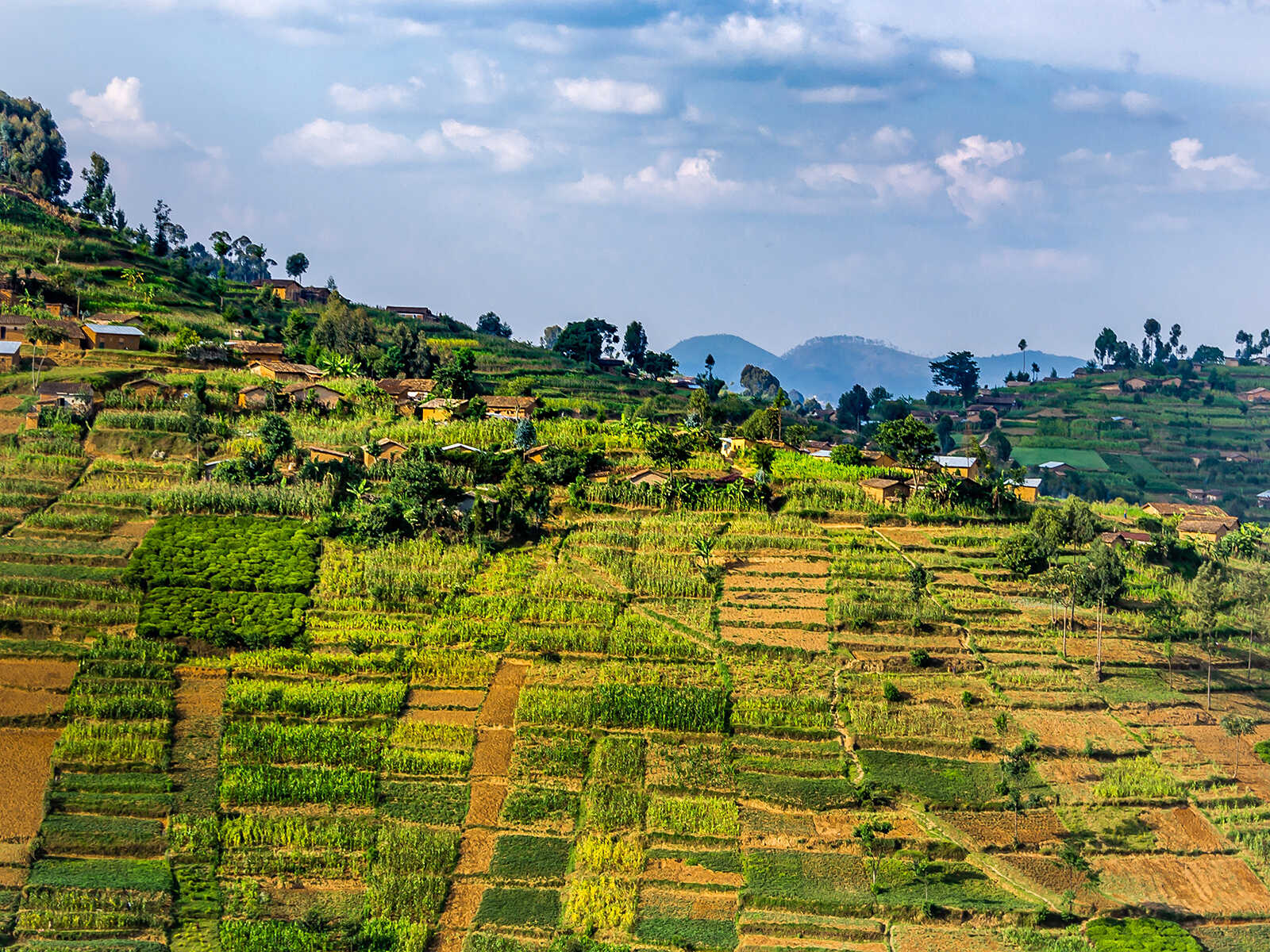
Rwanda, often celebrated for its majestic mountain gorillas, offers a tapestry of experiences far beyond its iconic wildlife encounters. For the intrepid traveler, the Land of a Thousand Hills holds countless secrets, inviting exploration into its lesser-known corners where authentic culture and breathtaking landscapes await discovery.
While destinations like Volcanoes National Park and Nyungwe Forest National Park rightly earn their fame, a deeper dive into Rwanda reveals a wealth of hidden gems that promise unique adventures and profound connections. These off-the-beaten-path discoveries offer a chance to witness untouched beauty, engage with local communities, and experience Rwanda's vibrant spirit away from the main tourist trails.
Exploring the Serene Shores of Lake Kivu's Less-Visited Bays
Lake Kivu, one of Africa's Great Lakes, is a stunning freshwater expanse offering picturesque views and tranquil waters. While the towns of Gisenyi (Rubavu) and Kibuye (Karongi) are popular, the true hidden gems lie in the smaller, more remote bays and fishing villages scattered along its shores.
Venturing beyond the main hubs, you can discover secluded beaches, local markets teeming with life, and community-based tourism initiatives. Consider exploring the Nyamasheke district, where traditional fishing methods are still practiced, or taking a slow boat journey to discover islands like Napoleon's Hat or Amahoro Island, each with its own unique charm and birdlife. Engaging with local cooperatives, especially those involved in coffee production, offers a fascinating insight into rural Rwandan life.
Travel Tip:Renting a local boat or a kayak for a day allows for unparalleled exploration of Lake Kivu's hidden coves and offers a unique perspective on the lakeside communities.
Giswati-Mukura National Park: Rwanda's Reforestation Success Story
Rwanda's newest national park, Giswati-Mukura, is a testament to the country's commitment to conservation. This emerging gem, created from two previously separate forest reserves, is a biodiversity hotspot and a vital part of the Congo-Nile Divide region. It's an excellent alternative for those looking for primate tracking and birdwatching away from the more crowded parks.
Here, you can track chimpanzees, golden monkeys, and a variety of other primates. The park is also a birdwatcher's paradise, home to over 200 species, including several Albertine Rift endemics. Beyond wildlife, Giswati-Mukura offers beautiful hiking trails, guided nature walks, and opportunities to learn about local culture and conservation efforts from community guides.
Akagera's Northern Wilderness: Untamed Eastern Plains
While Akagera National Park is a well-established safari destination, many visitors tend to focus on its central and southern sectors. The park's vast northern reaches, however, offer a more rugged and isolated wilderness experience. This area, less frequented by safari vehicles, provides a sense of true exploration.
The northern plains are characterized by open savannahs, rolling hills, and a network of smaller lakes and papyrus swamps. It's an excellent place for spotting elusive predators, diverse antelope species, and a myriad of waterbirds, especially around Lake Ihema and its surrounding wetlands. Self-drive safaris are particularly rewarding here, allowing you to set your own pace and discover wildlife sightings without the crowds.
The Cultural Heartbeat of Nyanza and Huye's Rural Landscapes
Southern Rwanda, particularly the regions around Nyanza and Huye (Butare), offers a deep dive into Rwanda's rich history and vibrant culture. While the King's Palace Museum in Nyanza is a key attraction, the real hidden gems are found in the surrounding rural communities and lesser-known historical sites.
Explore traditional craft cooperatives, where you can learn about basket weaving, pottery, and imigongo art (traditional cow dung art). Visit local markets, engage in community walks, and discover small, often unmarked, historical monuments that tell stories of Rwanda's past. The National Ethnographic Museum in Huye provides excellent context, but interacting with local people in the villages offers an unparalleled, authentic cultural exchange.
Fun Fact:Imigongo art, originating from the Eastern Province, is traditionally made by women using cow dung to create geometric patterns, which are then painted in natural earth tones.
Mountain Adventures Beyond the Gorillas: Challenging Peaks and Verdant Trails
While trekking to see gorillas in Volcanoes National Park is a bucket-list experience, Rwanda offers other incredible mountain adventures for serious hikers and nature lovers. Beyond the well-trodden gorilla and golden monkey trails, the park is home to several dormant volcanoes that provide challenging and rewarding climbs.
Consider the demanding ascent of Mount Karisimbi, Rwanda's highest peak, a two-day trek that offers breathtaking views and traverses diverse ecosystems. For those seeking less strenuous but equally beautiful hikes, explore the trails around the base of the volcanoes or the scenic routes near Lake Ruhondo and Lake Burera, often referred to as Rwanda's twin lakes, offering stunning vistas of the volcanic landscape without the intense physical exertion.
Nyungwe's Periphery: Tea Plantations and Canopy Views
Nyungwe Forest National Park is renowned for its chimpanzee trekking and the thrilling canopy walkway. However, the areas surrounding the park offer their own quiet charm and unique experiences. The hillsides around Nyungwe are blanketed with lush tea plantations, creating a stunning emerald landscape.
Many tea factories offer guided tours where you can learn about the tea-making process, from leaf to cup, and enjoy fresh tastings. Exploring these plantations on foot provides gentle hiking opportunities and a chance to interact with local tea pickers. Additionally, smaller, less-known waterfalls and natural pools can be discovered with local guidance, providing serene spots for relaxation amidst nature.
Practical Tips for Your Off-the-Beaten-Path Rwandan Adventure
- Transportation:A 4x4 vehicle is highly recommended for navigating rural roads, especially during the rainy season. Consider hiring a local driver who knows the terrain.
- Local Guides:Engaging local guides not only enhances your experience with their knowledge but also directly supports community tourism initiatives.
- Accommodation:Look for community guesthouses, smaller eco-lodges, or homestays for an authentic experience. Booking in advance, especially for permits or specific activities, is always wise.
- Cultural Sensitivity:Embrace the local culture by learning a few Kinyarwanda phrases (e.g., 'Muraho' for hello, 'Murakoze' for thank you), asking permission before taking photos, and dressing respectfully.
- Flexibility:Off-the-beaten-path travel can sometimes involve unexpected detours or changes. A flexible mindset will ensure a more enjoyable journey.
Rwanda is a country of remarkable resilience and beauty, with a spirit that truly comes alive when you venture beyond the well-trodden paths. By exploring these hidden gems, you not only uncover extraordinary landscapes and wildlife but also contribute to sustainable tourism and connect with the heart of this incredible nation. So, pack your bags and prepare to discover the untold stories and secret wonders of Rwanda.